Train the Anger Out of Your Kid, and You Train Out the “No”
Heads-up: This post contains affiliate links. If you buy something through them, we may earn a small commission at no extra cost to you. As an Amazon Associate, we earn from qualifying purchases.
Your toddler screams “No!” and the whole checkout line watches. Here's why one dad thinks that anger is a strength worth protecting.
Friends, sometimes we just don’t understand our kids in the middle of a meltdown… and guess what? Often they don’t understand themselves either! That’s why it’s so great when we can come at the topic through children’s books, where kids see themselves in the story and we parents learn a lot along the way, like in Ups, ich bin wütend (“Oops, I’m Angry”) by Christopher End. We asked him how, as a grown man with older kids, he managed to get inside a child’s anger, and what tips he has for us when things blow up yet again.
Dear Christopher, you wrote a book about kids’ anger. Are you an angry guy yourself?

I get angry fast in the car. That’s my training ground. But in general, anger is a relatively new feeling for me. For a long time I couldn’t really feel it, let alone express it. The way I was raised, I lean toward people pleasing. Keeping the peace, making everybody happy.
I had to learn to show my anger. To say, “This far and no further.” Some people are still surprised when I get firm. And I notice I can still catch my anger even earlier. Show my boundary sooner, not only once I’m already boiling inside.
How did you manage to put yourself in a child’s shoes, to really shift perspective, so that kids recognize themselves in your stories?
That honestly came easily. For one thing, I’m good at empathizing with kids. For another, I worked with families for many years. I know how kids tick – how quickly they feel things, how big their imagination is. There’s a piece of me in Mattis (the main character in the book). He daydreams a lot, has adventures in his head – and sometimes doesn’t notice what Mom wants right then. And whoosh, there’s a conflict. I know that one. That mix of imagination, intensity, and misunderstanding is exactly what I wanted to tell.
How did you handle your own kids’ anger as a dad? Did it maybe even catch you off guard at first?
Our first child was very good at regulating emotions. I honestly thought: I’m doing everything right. Then the second one came. Big feelings. Intense. That taught me humility. There’s one moment I remember very clearly. I was in a conflict with my child – and suddenly I thought: “Damn. This is not the kind of dad I ever wanted to be.” That was a turning point. Not because I did it perfectly from then on. But because I took responsibility.
So how did you learn to handle it better as a parent?
I consistently applied what I’d learned in my therapy and coaching training: accepting the other person. Giving feelings something to hold on to. Regulating myself. And looking at my own inner patterns and changing them. That’s what made the difference. Not technique. Inner work. And that’s exactly what I pass on today.
A lot of parents get really stressed when their child loses it. Especially with other people around, it gets embarrassing fast. Do you have a tip for those situations?
First: it makes sense that this stresses you out. You’re not alone. Anger is the feeling that makes most parents start doubting themselves. And then the looks from other people pile on. The cashier. The father-in-law. Comments. Expectations. That raises the pressure enormously – and as the pressure goes up, our own ability to regulate goes down.
Here’s one concrete tip: take a mental step back. One client of mine imagined that she and her child were sitting under a glass dome. Protected from stares, comments, and judgment. It sounds simple – but it helps the nervous system not feel under extra attack. Only when you feel safe can you give safety.
How can moms and dads manage not to take a child’s anger personally (even when it’s aimed squarely at them in the moment), and instead see: my child is in distress right now and something has to come out?
There are three levels. First: understanding. Knowing: my child is in emotional distress. This isn’t against me. Second: regulation. I learn techniques to calm myself in that moment. And third: inner work. Why do I feel attacked so quickly in the first place? What’s being touched in me? When we look at that level, something fundamental shifts.
You say anger is a good thing in itself. What do you mean? And how do you steer that energy in the right direction?
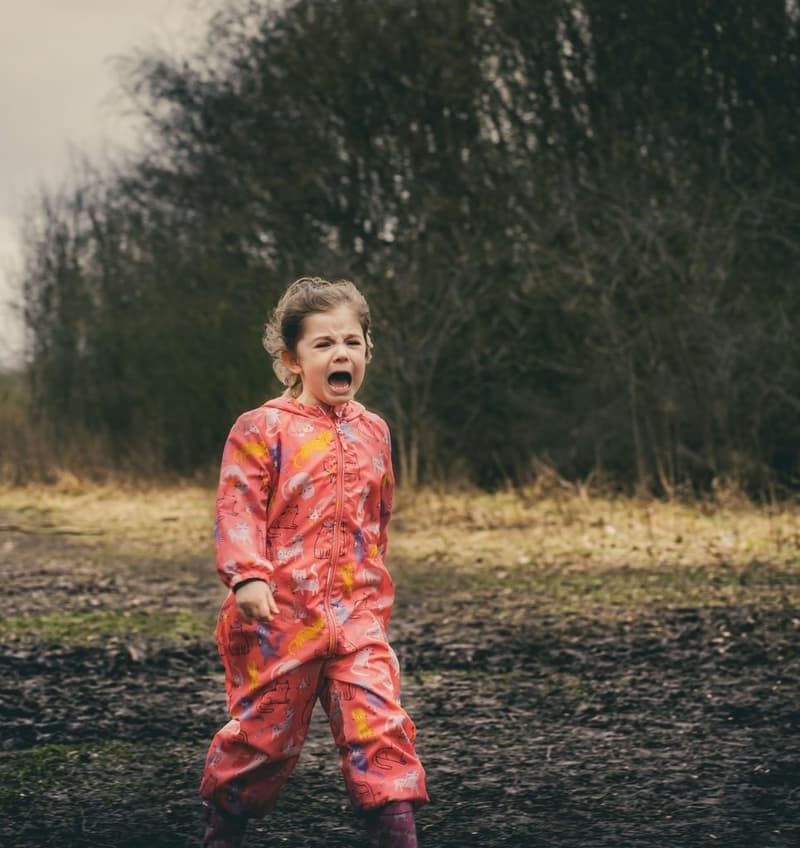
Anger is our boundary keeper. It tells us when something important is being touched. It gives us the energy to stand up for ourselves. When a toddler screams “No!”, that’s development. They’re learning to assert themselves. If we train the anger out of kids, we take that strength away from them too.
I want my kids to be able to say no later in life. When something gets pushed on them, like a shot they don’t want to drink anymore. When they come under pressure – in a relationship, for example. When they feel: I don’t want this.
Then I hope they have their anger with them. Not as an unchecked outburst – but as a clear, conscious boundary. And we get there by taking our kids’ no seriously. That doesn’t mean they always get their way. But their anger is allowed to be there. And conflicts get worked out within the relationship. That’s how a child learns: My anger matters – and I’m still connected.
What helps you personally when you get angry?
I’m practicing feeling my anger sooner. Saying no sooner. Or yes. Clearly. Without hurting anyone. I suppressed my anger long enough. Today I want to lead it – not have it lead me.
_________________________________________________________________________________________________
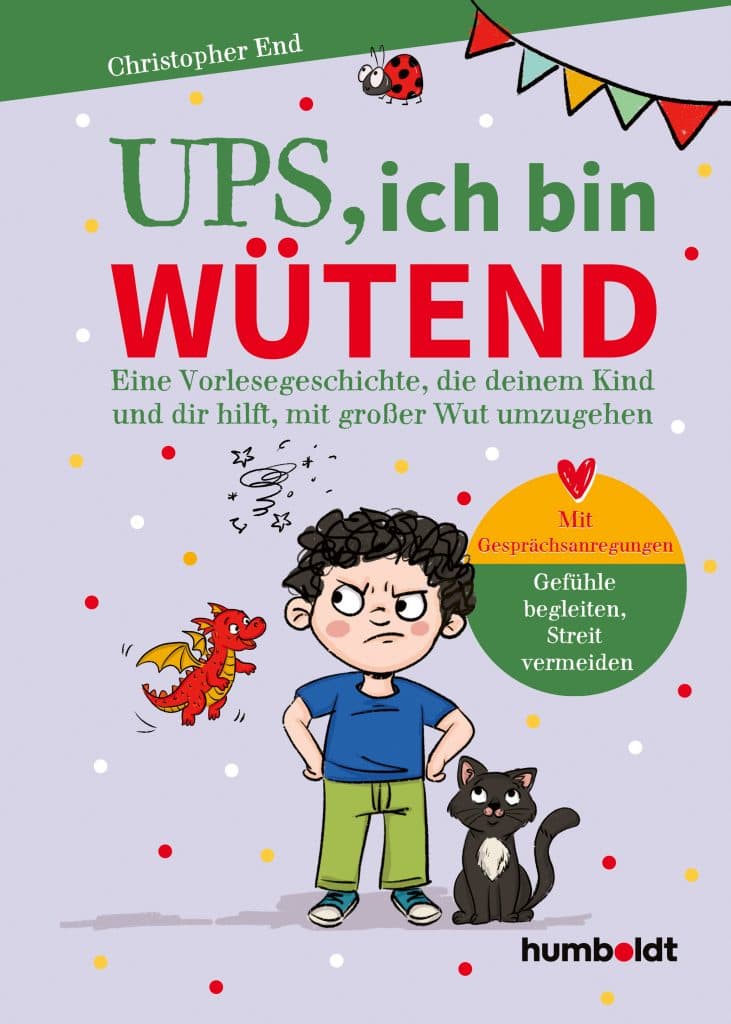
Ups, ich bin wütend (“Oops, I’m Angry”). A read-aloud story that helps your child and you deal with big anger. To understand and support a child’s anger – to accept strong feelings, name them, and learn to express them safely. To get through meltdowns, change stuck patterns of behavior, and settle fights. A read-aloud story and a parenting guide in one book!
What’s it about? Mattis is having a truly rotten day. First Mom interrupts his spaceship battle, then there’s a fight with Zara at daycare. That is NOT FAIR! When everything goes this topsy-turvy, Mattis can get really angry – so angry that even he doesn’t know what to do with himself. But luckily there’s Antonia, the wise daycare teacher, Mathilda, the yoga-loving neighbor with a real secret trick – and parents who dare to admit their mistakes.
Anger is one of the strongest feelings in childhood, and sometimes it gets so big that kids can hardly bear it. Stomping, screaming, or crying because everything is too much – that’s a big challenge for families. “Oops, I’m Angry” tells a child-friendly read-aloud story that shows what anger feels like and why it’s there. Kids see that their feeling is taken seriously and isn’t “wrong.”
The story follows a child through typical situations where anger comes up, and makes it clear: anger is a signal and it’s allowed to be there. Kids learn to recognize their feelings, find words for them, and experience that they’re not alone with their anger. That brings relief, a sense of being seen, and first steps toward self-regulation.
With gentle conversation prompts, the book helps you understand your child’s anger, stay calm, and find ways together to settle big feelings again. You get everyday strategies for setting boundaries lovingly while keeping the relationship and a sense of safety intact.
“Oops, I’m Angry” is for families with kids of daycare and preschool age who want to handle big feelings in a relationship-focused, down-to-earth way – for more understanding, less escalation, and a healthy approach to anger.
This story first appeared in German on StadtLandMama.