Checkmated by One Word: 'Unschoolable'
One word from a room full of professionals, and Nina felt herself disappear. Then came a chess game, a long breath, and a different move.
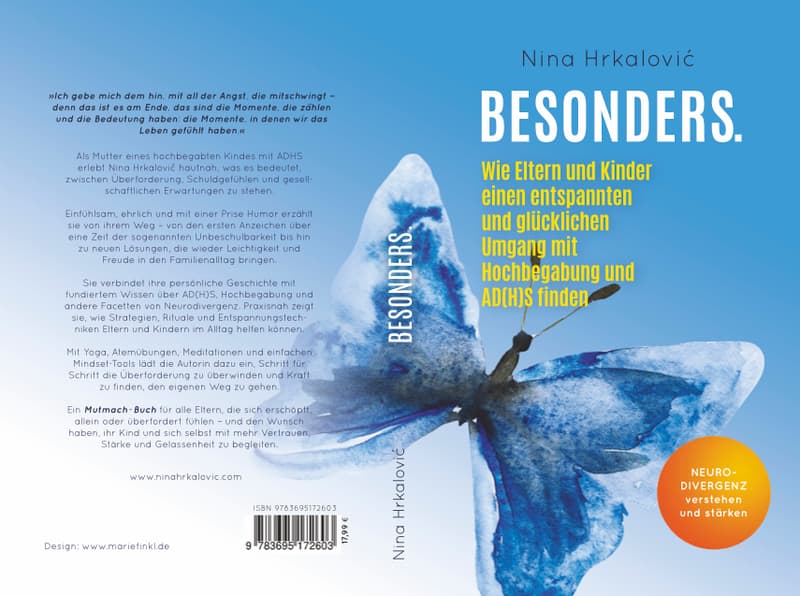
Dear friends, “unschoolable” — when Nina heard that word about her son, her whole world fell apart. (In German it's unbeschulbar, and it means a child the school system says it can't teach.) Her son is gifted and has ADHD, and he was labeled unschoolable. Nina tells us here what that word did to her, what really helped, and where things stand today. She has also written down all of her experiences in a book, BESONDERS, and we're happy to share a short excerpt with you (all names have been changed to protect privacy…)
My Child Was Labeled “Unschoolable”
“When the word ‘unschoolable’ was hurled at me in a helper conference (a meeting where all the professionals involved in a child's case sit down together), I had no idea it would stay with me for years. Not just as a term, but as a feeling: helplessness, guilt, being completely lost. I was the mother of a child who fell through every crack — and suddenly it felt like I was falling right along with him.
Lately Leo likes to play chess. I feel cornered. My chest is tight and I feel like I'm suffocating. Everywhere I look, I see a wall. So now it's official — at least out loud: Leo is unschoolable.
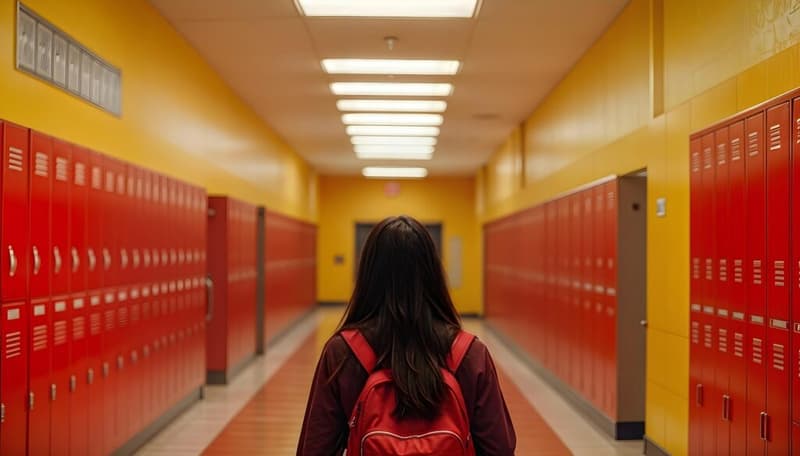
With that word ringing in my ears, I walk home from the helper conference. Over and over I turn it around in my head — what does it mean? What exactly is it saying? What are the consequences of being unschoolable for Leo? And above all, what options are left? Wherever my thoughts go, there's that damn wall. I can't think of a single move that's still possible. I'm still dizzy. When I get home, I sit down on a chair and stay there — for a very long time.
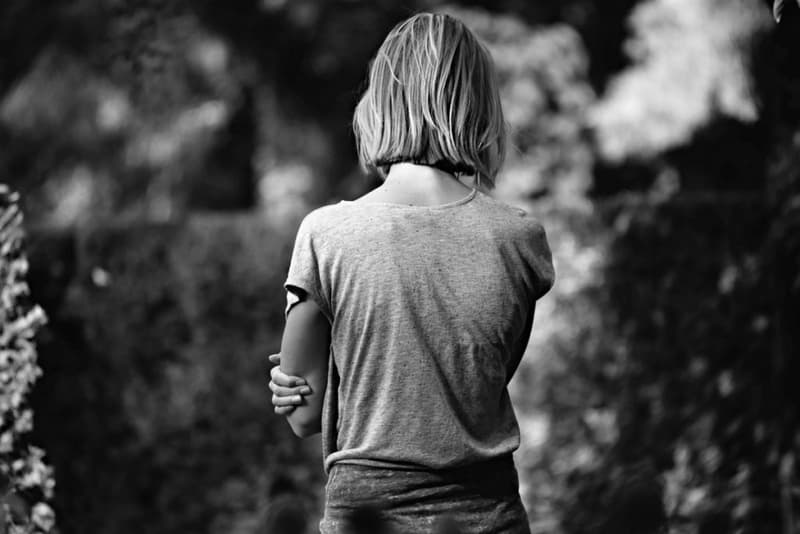
I can feel despair slowly spreading through my whole body, a kind of inner paralysis. No tears come, no anger, no cry for help. There's just nothing. It feels as if I'm suddenly turning invisible. I'm a woman of action. Someone who doesn't give up, who believes in the good, in support, in solutions, in the impossible. But in this moment I've run out of energy and, above all, out of imagination. I can't even picture a solution, let alone fight for one. My mind is a blank. No idea comes. There's nothing.
I can't tell where my body ends and the air around me begins. In this moment everything is one, or everything is nothing. I've dissolved inside, because that's the only way I can bear this situation, the only way I can cope with this feeling. It's noon. I should eat something, sit down at my computer, and finally start working. My colleagues have surely sent me plenty of emails by now, and there's a plan I'm supposed to be drafting. But my body won't obey. Nothing. Nothing works. My stomach feels like a hole. I've pretty much dissolved.
“Unschoolable,” I think, “UNSCHOOLABLE. What does that mean? I don't mean what the word means, I mean what does it mean for us? What happens now? What do I do? There has to be a solution, there always is. There's compulsory schooling. How can this be?” Not one of the seven pairs of sharp eyes at the helper conference could tell me. “Why is there no one I can turn to now? Is it my job to figure this out? How am I supposed to take care of something that's mandatory, something Father State (as my dad liked to say) has ordered me to do? And if I have to take care of it, why can't I find out anywhere how? Where?””
This is an excerpt from my book BESONDERS, and it describes a state I stayed stuck in for about three more months — a time full of despair and helplessness.
The word “unschoolable” followed me day and night. Not only in relation to my child, but to myself. Finding hope was hard. Above all, I questioned my competence as a mother — even though we'd gotten the diagnoses early, filed the applications, and sought out support. Even though we had done everything “engaged parents” are expected to do.
At some point I understood: this word doesn't describe a person. It describes a moment when a system has run out of answers. And still, there is a way forward. Ours took detours, through places that felt like the end of the line — including a small multi-therapy class, a place that frightened me and seemed to value fitting in more than understanding. It didn't really help — but it showed me something: that I had to take my strength back.
A first step was learning about the diagnosis and the symptoms. But what really helped me was awareness and acceptance. Awareness gave me a sense of agency and the strength to handle the situation deliberately, to step back and see the bigger picture, and to act instead of just reacting. I watched my child's behavior, needs, and quirks on purpose and used what I learned to improve things step by step.
Acceptance means seeing things as they are and accepting my child as he is — and my own tension eased, which had a noticeably positive effect on our whole family. My son could sense that inner calm, too — kids are incredibly receptive to our feelings.
I learned to let myself feel the powerlessness, anger, and despair, not to push them away, but not to be overwhelmed by them either. I made time on purpose to take a breath and calm my nervous system — meditation and breathwork helped me notice my own feelings without letting them run the show.
Just as important was consciously feeling my bond with my son, noticing his behavior and meeting him where he was, without taking care of everything for him. From that step-back view, I could see what was actually possible on a stressful day — instead of reflexively reacting with pushback, strictness, or withdrawal, which would often only have made things worse. Through this conscious observation and thoughtful response, small changes came about that brought more and more calm into our private life and eventually into the school day, too.
Today my son attends a college-prep school. It's still not easy. It's not “solved.” But it's possible. I've learned that chess isn't always about knowing the right move right away. Sometimes it's about being able to breathe again at all — giving yourself a moment to pause before the next move comes. “Unschoolable” says nothing about my child. But it says a lot about how little room our system leaves for kids who feel loudly, think fast, or react differently. And how urgently that has to change.
Our whole story — and the strategies and tools I worked out during that time — is collected in my book BESONDERS. It's for parents who are standing in front of a wall right now and can't see a move yet.
You can order the book HERE
This story first appeared in German on StadtLandMama.