My 13-Year-Old Daughter Has No Friends, and It Breaks My Heart
Britt's 13-year-old hides in the library, gets no birthday invitations, and panics at sleepovers. Here's what it does to a girl, and to the parents watching.
Dear friends, according to one study, more than one in five elementary-school-age kids in Germany (22 percent) feel lonely at least some of the time, while roughly 5 to 10 percent suffer from it often or all the time. One of them is Britt's 13-year-old daughter, who has no friends and has developed an anxiety disorder as a result. Britt and her husband are hurting, too. We talked with Britt about it.
Dear Britt, today we're talking about your 13-year-old daughter, who you say has no friends. What was it like in preschool and elementary school?
In preschool she had two or three close friends. All boys, and she got together with them outside of school fairly often. There weren't many girls her age in her group, but even then it was obvious that she preferred the “typical boy stuff.” She was much more interested in firefighter and police costumes than in princess dresses. She did have one really close friendship with a girl, but unfortunately that girl moved away when our daughter was in second grade.
When she started elementary school, it took until fall break for us to find a good rhythm, and by then it felt like all the girls were already “spoken for.” The boys pulled away from her more and more, because it was uncool to be friends with a girl. At the end of first grade, the COVID restrictions started, which unfortunately kept her from practicing social skills. Being alone like that in elementary school made her the perfect target for bullying. Sadly, we realized it late, and we certainly often didn't handle it in a helpful way.
Of course, as her mom, I organized playdates over the years, even at the start of fifth grade. But because of her age, I couldn't keep that up.
Your daughter then switched schools. What did you hope the change would bring, and did it?
Kids in Germany change schools after fourth grade, and we deliberately chose a middle school where no one from her old class would be. We picked a class with a music focus, because for me music has always been something that connects people. She could start completely fresh, and she handled it well. Through the end of fifth grade, things went pretty well.
But now it's not going well anymore, right?
School is really hard right now. She trails after the girls she got along with at the beginning of fifth grade. She often hides in the library. It's especially bad during group work, in gym class, and on school trips.
Her oral grades in particular (in Germany, speaking up in class counts toward your grade) are very bad now. She's afraid of being laughed at, so she doesn't raise her hand. Being told she should speak up more only adds to the pressure.
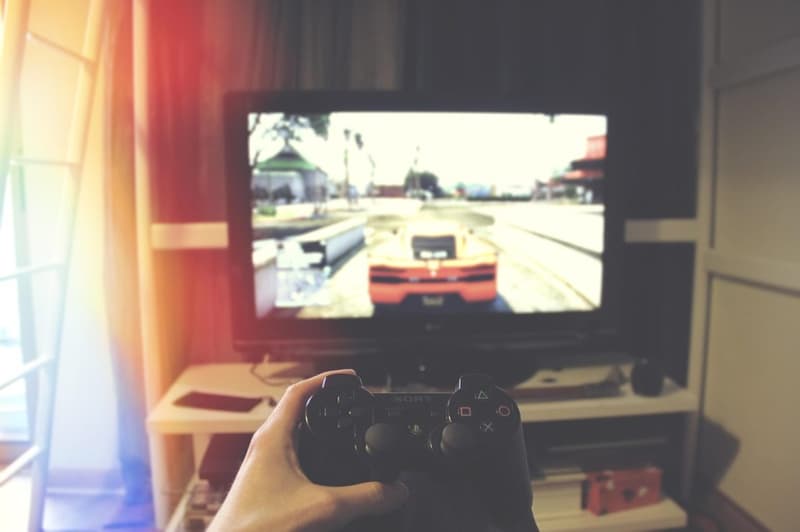
Since she's an only child, she's around only adults at home, too. Our family lives about 125 miles away. Luckily, she gets along really well with my nephew, and they often meet up online to game. Otherwise, she sometimes gets to see other kids her age through friends of ours. Unfortunately, her free-time activities (THW, Germany's volunteer disaster-relief organization, and sports) don't bring her any new connections either.
Why do you think the friendships just aren't working out?
For one thing, she simply has different interests, so she has little in common with other girls. At 13, she has no interest at all in her clothes or her appearance, and that alone sets her apart from almost all of her female classmates. Probably out of a need to feel safe, she clings to old, tried-and-true patterns, interests, and topics, and she doesn't open up to anything new on her own. That pushes her to the sidelines…
In some situations she isn't very cooperative and wants to get her way. At the same time, she's very caring and empathetic, so I wonder why that doesn't balance out. By now she's come to believe that everyone rejects her anyway, and she doesn't even try to approach new people anymore. She's been so shaped by the rejection and mockery that her posture and facial expressions already close a lot of doors.
Have you talked with her teachers about it?
Yes, in elementary school and in middle school, each time with the homeroom teachers and the school social workers. Except for the current social worker, the gist is always: “She doesn't want friends and doesn't suffer from it.” It's true that our daughter can be on her own just fine, but we know she suffers from the situation at school. What kid wants to be sent away, left out, and have to plead and beg during group work?
Our experience by now is that teachers are stretched thin with very different “problem cases” and don't have time for this, and some certainly don't understand. So we've come to the conclusion that only we or she herself can change the situation. Still, the school could help with some things, for example oral participation.
What is this doing to your daughter?
Our daughter is long past being the cheerful, carefree kid she once was. Laughter is very rare. She's totally insecure, even in supposedly normal situations. Her grades are mostly bad, because she's replaying what happened at recess and can't concentrate. So her oral grades are even worse than her written ones.
Over the years we've tried a lot of things. Now she's in therapy, since an anxiety disorder was diagnosed. It starts with everyday things: she's afraid to light a candle, afraid of heights, afraid of all kinds of movies or books, afraid to go inline skating.
On New Year's Eve, we can't watch the fireworks with her, because even from a distance she panics. Someone who has never seen a panic attack like that probably can't easily understand it. In the moment, it's impossible to agree with her on even the smallest steps toward getting closer. The most serious thing is that she never sleeps in her own bed. So she panics right away whenever a school trip or anything without her parents comes up.
What does it do to you as a mom?
A lot, and to my husband, too, of course. There's so much sadness. And exhaustion, because everything takes so much effort, and a lot of shame. Shame, because having friends is part of belonging, and hardly anyone honestly volunteers that they have no friends.
I often feel anger, too, when our concerns get brushed off. How often do we hear: “Oh, I didn't find friends until late either…” Envy comes up for me as well, and it's a feeling I'm not proud of at all and don't like about myself.
I also doubt myself and us very often. I think we did a lot of things “wrong.” I constantly question myself and wonder how I could react better. By now that has left me feeling insecure, too. Of course it also leads to a lot of discussions between my husband and me, since each of us brings different ideas and views.
Which experiences that your daughter is missing do you grieve most?
Being connected with other kids. She doesn't get any birthday invitations anymore. The slow breaking away from us parents isn't happening. She has nobody to go to the public pool with in the summer, or to wander through the town festival with. Everyone celebrates Halloween, and our daughter hides.
She's also not learning how to share things with peers. She doesn't practice handling conflict, so compromising gets even harder for her. Often other kids talk about “my best friend,” and our daughter goes completely quiet.
What are you dreading about the future, and about the teen years now?
I do worry that at some point the situation will show up as depression. Grades are secondary for us right now, but of course I also think about how her career will go if her grades keep slipping.
It weighs on me a lot that someday she'll be completely alone. Her cousin certainly won't stay her buddy throughout the whole teen years. And even if she eventually has one or two friends, I fear these experiences will mark her for life and she'll never be able to think of herself with conviction.
How do you try to support your daughter?
We try to be there for her. We listen when she wants to talk. Of course we also try to encourage and cheer her on. We don't always manage, though, and unfortunately we often sag, too. As a family, we try to enjoy the good moments. For example, we love playing board games together. That doesn't always work, and often she just wants to distract herself from sad feelings, which in turn isn't helpful either.
If anyone reading this has had similar experiences, or has a daughter who also likes playing Minecraft and is looking to connect, we'd love to hear from you!
This story first appeared in German on StadtLandMama.