Let Them Dawdle: Why Doing Nothing Is Real Work for Kids
Your kid stops dead on the sidewalk for a puddle and you just want to go home. What if that pause is the most important part of their day?
Friends, with the constant noise of modern life, it's getting harder and harder for all of us to pause, or to sit with a little boredom. Kids feel it too! Today our reader Gabriella explains why children have to feel things in order to understand them, and what often gets lost in our everyday routines.
Some afternoons, all you want is to get home. Shoes off, a little quiet, maybe five minutes of not hearing anything at all. And that's exactly when your kid stops dead in the middle of the sidewalk because the light is reflecting in a puddle, or because there's an especially smooth rock tucked between the cobblestones.
When Boredom Gets Interesting
Grown-ups tend to react to these moments pretty much the same way. Not now. We have to go. Your shoes are going to get wet. Please just come on. Kids, on the other hand, seem to truly arrive in exactly these moments. They crouch down, poke their fingers into the water, or watch something for minutes on end that most adults wouldn't even notice.
Maybe it takes having kids to notice how fast we normally move through our surroundings without really registering much of anything. When was the last time you thought about how different dry dirt and wet dirt smell? Or how sand changes the moment water gets added? Kids do this constantly. They take in these things with a matter-of-factness that adults lose somewhere along the way.
Why Kids Want to Touch Everything
There's probably no sentence parents say more often than "Please don't touch that." Not necessarily because we're strict, but often just because we're exhausted or short on time. Don't sit in the puddle. Don't touch the wet leaves. Not another pocketful of rocks. And of course that makes sense. Nobody is thrilled about soaking-wet clothes right before the ride home, or about sand that trickles out of every jacket pocket later.
Still, you notice pretty quickly that for kids, touching things is much more than a little something to keep them busy. Kids want to know what things are like. Not have it explained, but actually experience it. They squeeze dirt between their fingers, pour water back and forth, or let sand run through their hands again and again. To adults, it can seem totally pointless. To kids, apparently not at all.
As adults, we may easily underestimate how physical learning is in the early years. Kids often don't truly understand something until they've experienced it themselves. A child doesn't automatically know what "sticky" means just because someone explained the word. They get it when cake batter suddenly clings to their hands, or when jam ends up everywhere except where it was supposed to stay.
Why Simple Things Are Often More Interesting Than Toys
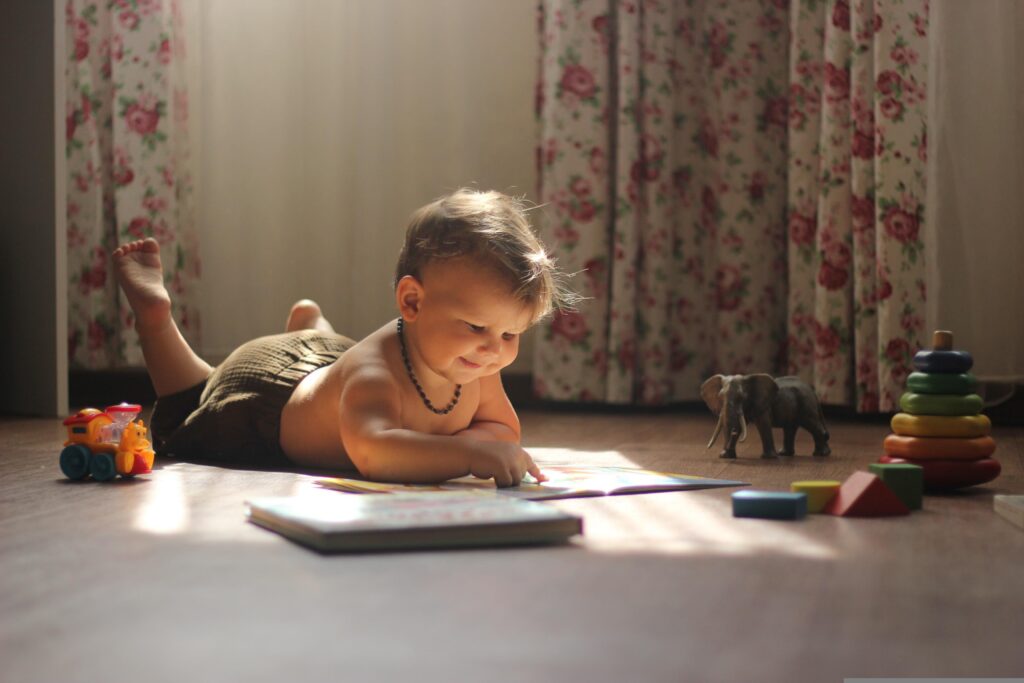
It's honestly amazing what kids can find to do with themselves. You unwrap a new toy, and five minutes later your child is sitting happily on the floor playing with the box or a wooden spoon from the kitchen instead.
From a grown-up's point of view, that can seem almost a little absurd. But it also shows us how kids play. They're often less interested in things that are already finished. Something usually gets exciting when they can make something out of it themselves.
A box doesn't stay just a box. It becomes a cave, a car, or a boat. A stick gets collected, carried around, or built into something. And water is always changing. Sometimes it runs slowly through their fingers, sometimes it suddenly sloshes everywhere. Kids watch these things incredibly closely. Probably also because they don't take the world around them for granted yet.
Adults and Kids Often Live at Totally Different Speeds
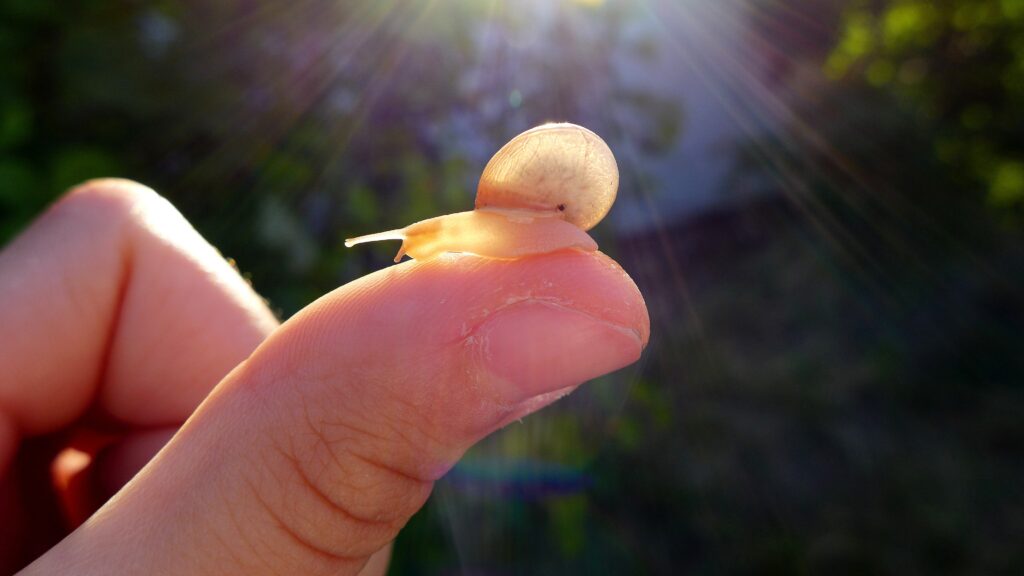
Maybe that's exactly why so many small conflicts pop up in our days. We want to get moving, be on time, and check things off the list. Kids, on the other hand, keep getting stuck on something along the way. A snail on the sidewalk is often all it takes.
While we're already thinking that we should have left ages ago, kids spend minutes watching how slowly a snail moves. Sometimes that's almost enviable, because kids can still look at things with a calm that we grown-ups have often lost completely.
Of course, that sounds lovelier in theory than it feels in the middle of real life. When mornings are tight, or when nobody has the energy left after a long day to debate rain pants, pretty much every family ends up annoyed at some point.
Still, maybe something gets lost along the way. Kids experience the world around them so much more directly. They don't want things simply explained to them. They want to find out for themselves how something works.
When Learning Doesn't Look Neat
The problem is probably that learning in kids rarely looks especially tidy. It's slow, sometimes chaotic, and often pretty dirty.
A child who pours water from one cup into another for minutes on end doesn't necessarily look busy to a grown-up. The same goes for kids rubbing dirt between their fingers or spreading sand everywhere. And yet a surprising amount is happening.
Kids figure out for themselves, eventually, when something is about to overflow. They notice that wet sand suddenly becomes moldable, or that some things are heavier than others. A lot of these experiences seem small and beside the point. For kids, they matter, because that's how they truly come to understand the world around them.
Why These Experiences Seem Almost More Important Today Than Before
Sometimes it really does feel like kids today get fewer chances to just experience things. There's an incredible amount of stimulation, constant entertainment, and often this pressure for everything to be as meaningful or enriching as possible.
But the most intense moments often happen exactly when nothing special was planned. When a kid is sitting in the mud somewhere, when there's more batter on their hands than in the bowl while baking, or when they spend twenty minutes of a walk collecting rocks that end up forgotten outside later anyway.
It's moments like these that tend to stick. Not perfectly planned. Not especially tidy. But real. Maybe kids need experiences like these far more often than we grown-ups, in the middle of our stressful days, sometimes think.
This story first appeared in German on StadtLandMama.