Why Kids Bully, and What Helps Kids Who Are Targeted
Heads-up: This post contains affiliate links. If you buy something through them, we may earn a small commission at no extra cost to you. As an Amazon Associate, we earn from qualifying purchases.
A girl who was bullied swore she'd never feel that way again, so she started bullying others. Elisabeth Raffauf explains why kids switch sides.
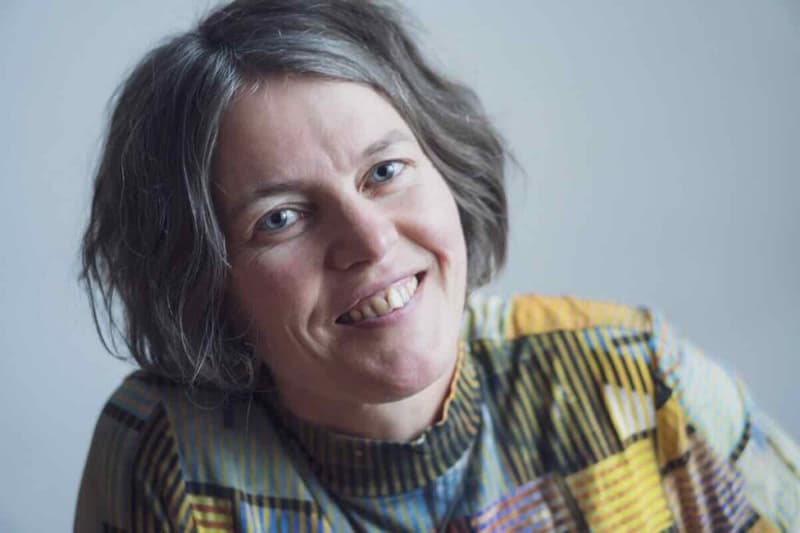
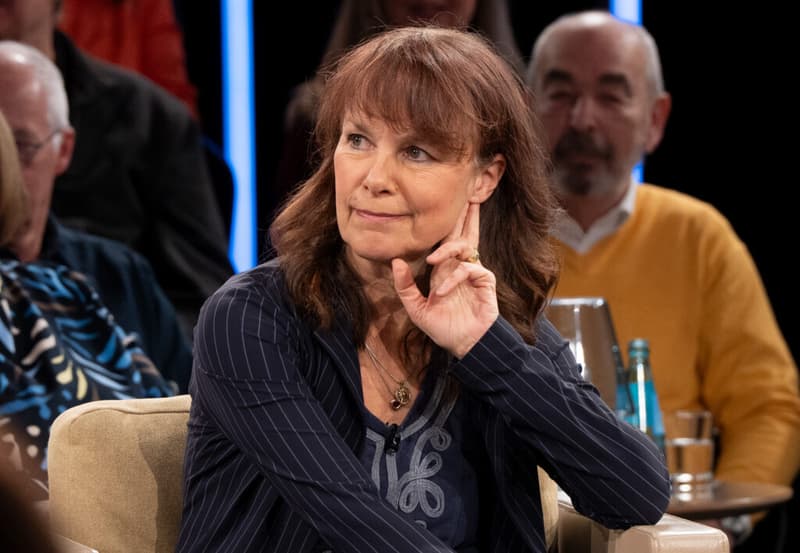
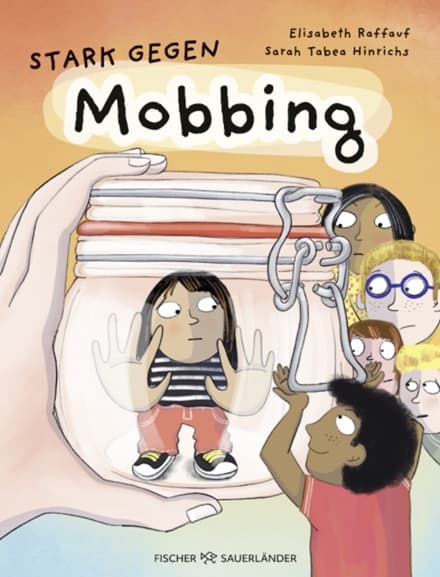
Hi, everyone! Parents keep asking us how they can help their child stand strong against bullying. Elisabeth Raffauf has written a wonderful children's book on the topic, so we asked her how we can respond when we notice that kids are becoming targets, or even bullies (“It was just a joke!”).
How did you come up with the idea of writing a children's book about bullying?
My last children's book, “Wann ist endlich Frieden?” (“When Will There Finally Be Peace?”), had just come out from the publisher Fischer. I went to the book fair and ran into the editor, Julia Scheit. We were standing at a high-top table, and she asked, “What do you want your next book to be about?”
I said, completely off the cuff, “Bullying,” because I knew from talking with kids that it's something that weighs on a lot of them. On Herzfunk, our series on Mausradio, a kids' show from the German public broadcaster WDR, bullying always gets the most calls and messages.
Did you have your own experiences with it?
I took part when a girl in my class was picked on during a school trip to a country lodge because she supposedly smelled. I'm still ashamed of that today.
Can you explain how bullying even starts? You'd assume kids aren't born mean…
Bullying is acting out aggression. Those kids never learned how to talk about their anger, their disappointments, and their frustrations and have someone listen. People who bully feel small on the inside. Maybe they were put down themselves, and now they do it to others to feel big. But that feeling of being on top doesn't last, so they have to keep doing it.
Can you tell who is more likely to become a bully and who is more likely to be bullied?
Several factors can lead someone to bully. Usually, they've been made to feel small themselves, been put down, and learned to put others down. At the same time, they're hoping, without realizing it, to heal their old wounds by doing it to someone else.
Kids who get bullied are kids who are different for some reason, or who are seen as different. In the end, it can be anything. You get bullied for being too short, too tall, too good at school or not good enough, for wearing clothes that are too plain or too fancy.
Kids with a physical difference, a different skin color, or a different country of origin are bullied more often.
My child tells me about a time they teased another kid, but says it wasn't a big deal because the kid even laughed along… How do I explain that the other child may still be sad about it at home?
You could think it through with your child: How would you take it yourself? Would you feel hurt if someone said that to you? So, basically, look at it from the other side and get them thinking about how the other kid feels. And then figure out how to find out whether the other kid was actually sad. Ask again? Or go back and say, “I didn't mean it in a mean way.”
What feelings are going on inside kids who are bullied?
They're very sad, and they feel alone, left out, and worthless. They're afraid of the next time it happens, and a lot of them even think it's their own fault that they're being bullied.
And why do so many of them withdraw instead of fighting back?
Out of fear. They've learned that if they fight back, if they get angry, or if they tell adults, it gets even worse. And also because they feel like they somehow deserve it or brought it on themselves.
Some kids who were bullied themselves switch sides. How does that happen?
A girl once explained it to me. She'd been bullied and then started bullying others. She said, “I swore to myself that I never wanted to go through that again. If I'm the one doing the bullying, then I'm with the bullies and not with the kids getting bullied.” So, basically, the safer camp.
What tips do you have for kids who feel different from other kids?
It's important to know that lots and lots of kids feel different from other kids. And normal covers a lot of ground. Look for kids who might have similar unusual interests. Often you feel like you're different from everybody else. That's not true. Look around. And talk about your feelings with people you trust. You're one of a kind, and that's wonderful!
How do kids NOT become bullies?
When kids receive empathy themselves, they learn to have empathy for others. And when they learn that it's okay to look at bad feelings and talk about them. That you're allowed to be aware of them and to put them into words. Then you don't have to act them out. They learn this early and over and over, mostly from the adults they spend time with.
Do you feel like the internet makes things even worse for kids and teens?
Yes, because the internet is more anonymous. Because empathy is missing. I don't see how upset and sad the other person is when I've insulted them. And I can hide, take on a different name, a different identity, so at first nobody finds out that I was the one who was so mean. Both of those lower the barrier. At the same time, I see everything other people fire off and dare to write, and that may egg me on to fire off even more.
Do you have a good story about someone who got out of the bullying trap?
A small one: A girl told me how three other kids kept bullying her, over her clothes, her grades, and because she's popular with the boys. She was very sad and didn't want to go to school anymore.
We talked for about 45 minutes. She described everything in detail, what was happening and that it had been going on for a very long time. I listened, we thought together about what might be behind it, and I explained to her that the others actually feel small inside.
By the end of our conversation, she was relieved and said, “The best thing you told me is that it's not my fault. I thought it was me.”
This story first appeared in German on StadtLandMama.