Single Mom and Caregiver: "I Wish Life Felt Lighter"
Bureaucracy, fights for support, and a daughter who finds joy in trains and music. A single mom on raising her girl alone and wishing life felt lighter.
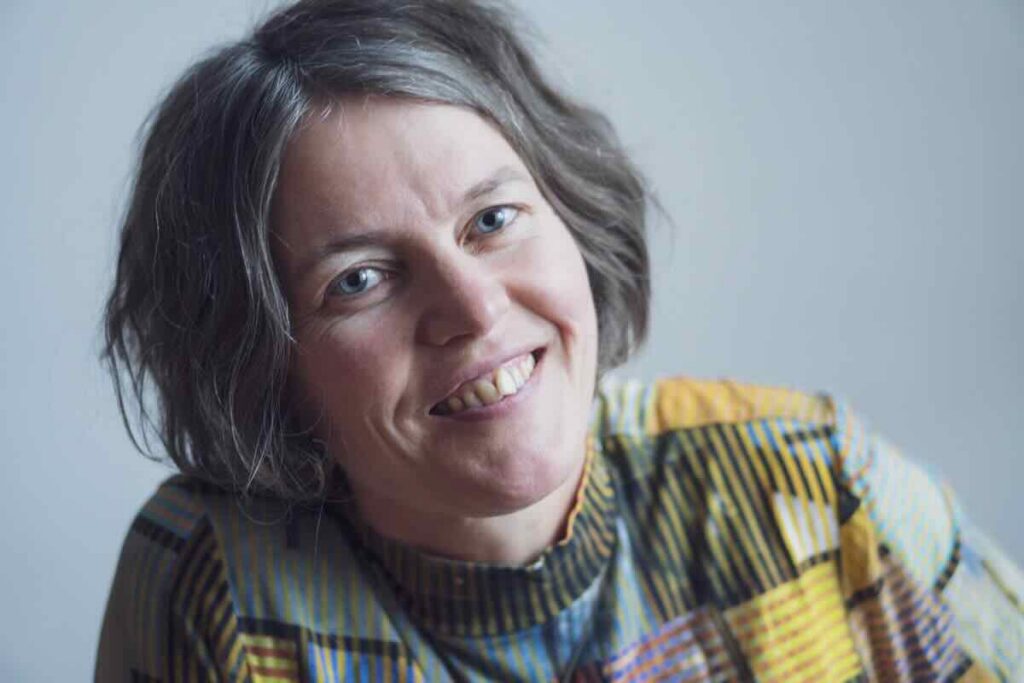
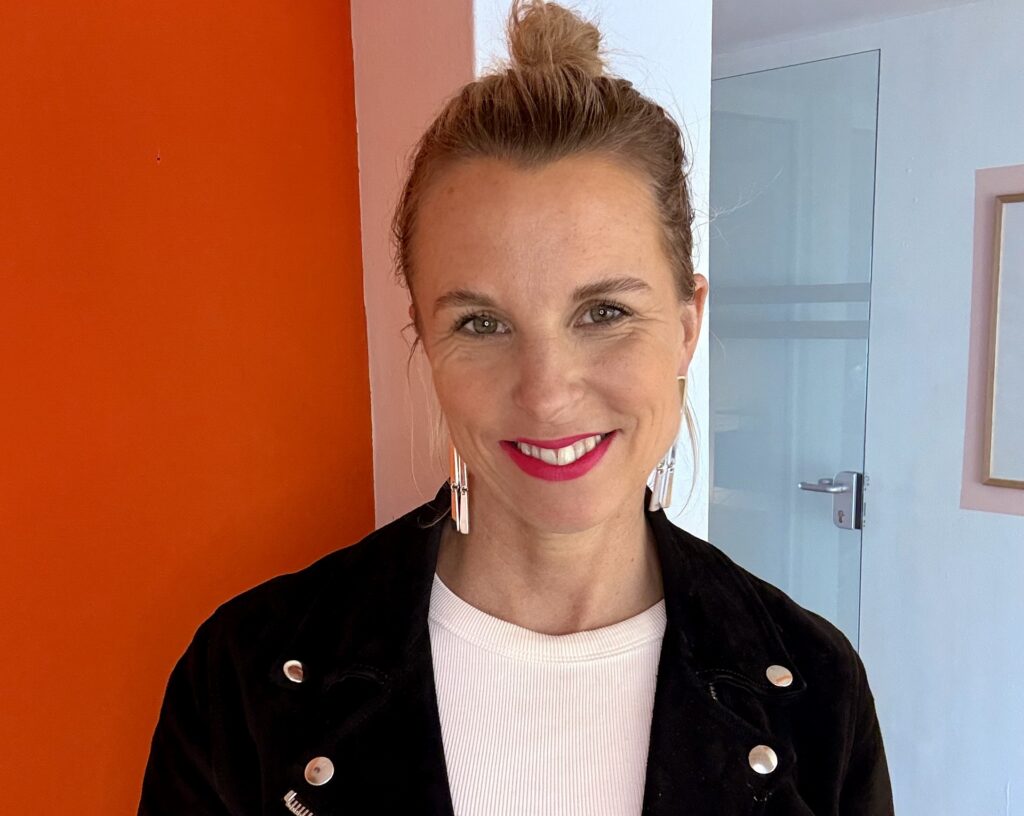
Dear readers, parents who are caregivers are absolute heroes. They do so, so, so much every single day. Hülya is a single mom and a caregiver, and her daughter has a genetic disorder. She tells us about her everyday life in this interview and on her Instagram account. Thank you for letting us see into your life, and all our love to you both!
Hülya, you're the mom and caregiver of an 8-year-old girl. What's your daughter like?
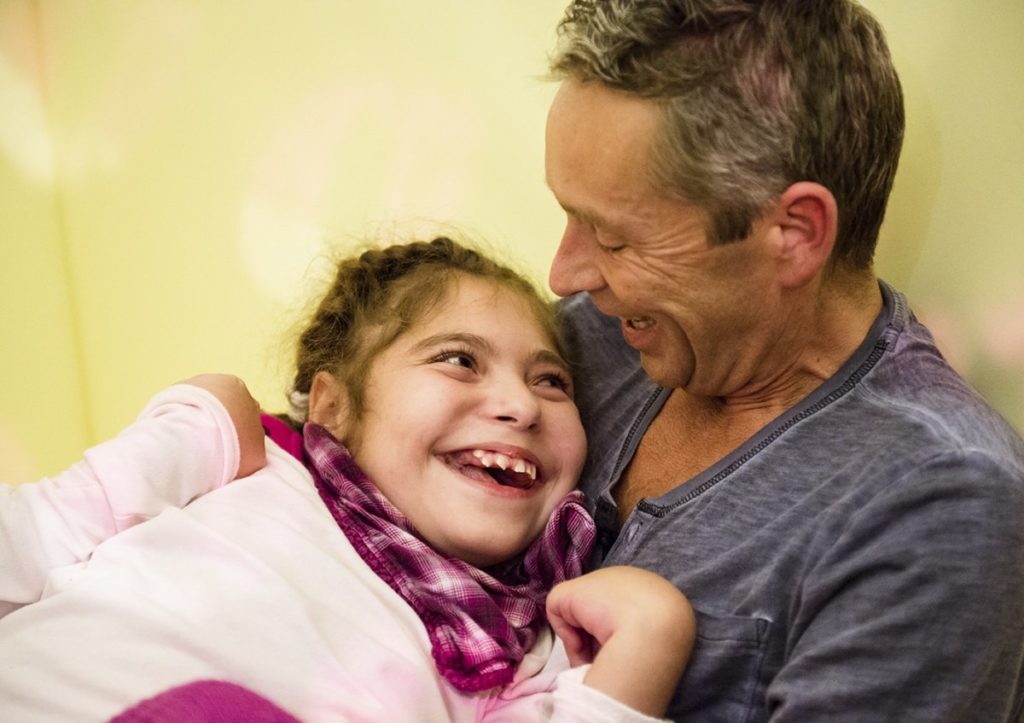
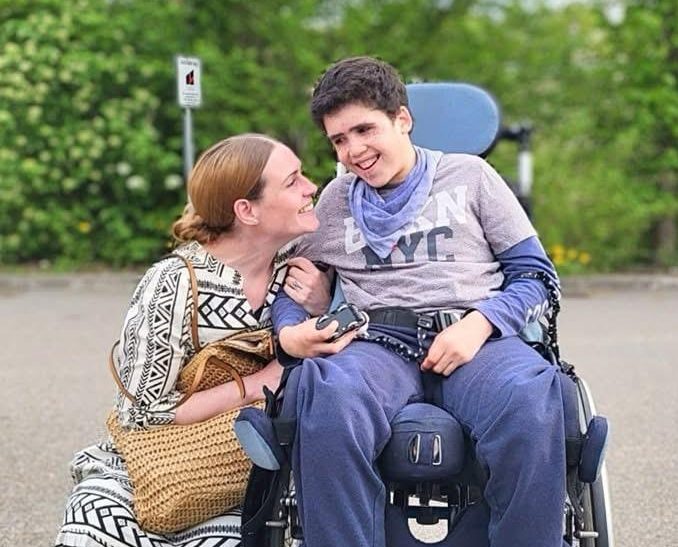
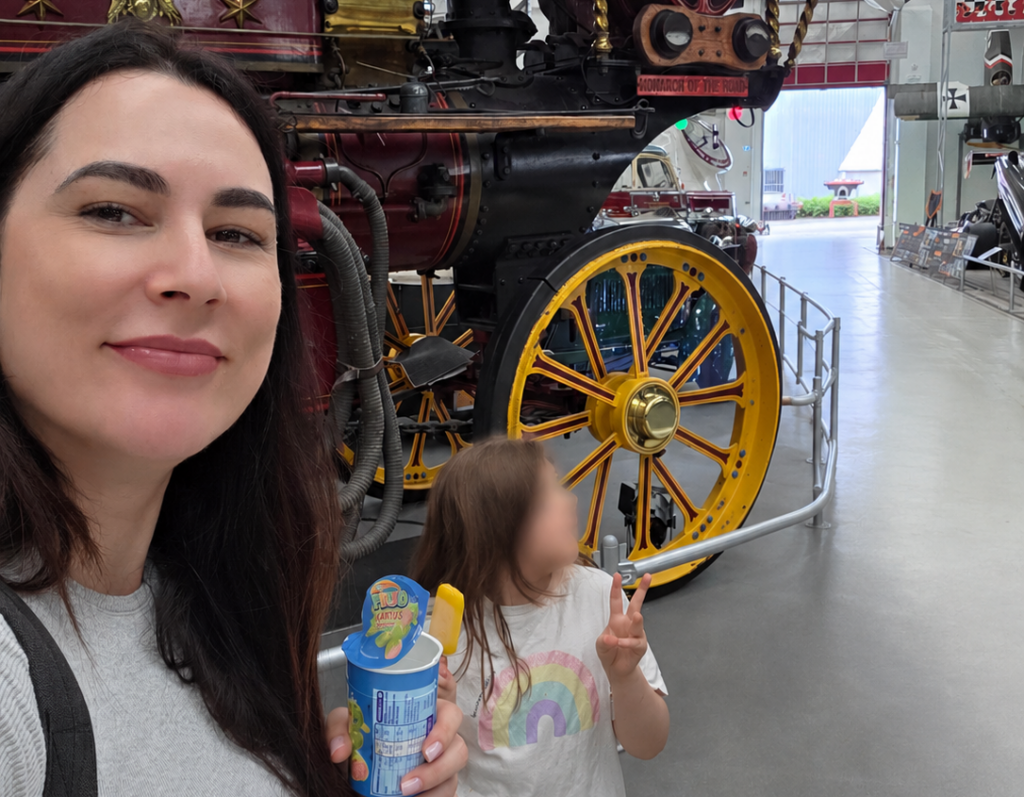
My daughter loves music and she's incredibly musical. She's pretty much always in motion, dancing and singing, and her happy spirit brings a lot of life into our days. Music is with her all day long, and it's one of her biggest passions. She also loves trains. Sometimes we just drive to the train station in the next town over and watch the trains come and go together.
What she really doesn't like are loud, crowded rooms or places. Too much stimulation at once can overwhelm her quickly. To make those situations easier for her, we always bring her headphones. They make her feel safe and help her process all the input.
Despite her challenges, she's a very happy kid with a truly special personality. Every day she shows me how much joy can be found in the little things in life.
When did you first notice that something was different with your daughter?
A lot of things were harder for her than for other kids. She needed a little longer for everything and developed at her own pace. Somehow I knew very early on that a lot of things would go differently for us. It wasn't so much a specific thought as a deep gut feeling. But it didn't really sink in until the first developmental milestones didn't happen and the differences between her and kids her age got more and more obvious.
When did you get a diagnosis, and what exactly is it?
We got the diagnosis shortly before my daughter's fourth birthday. She has a rare genetic disorder, a deletion on chromosome 14. After years of questions, the diagnosis was a relief at first. We finally had a name for so much of what we'd already seen, and I knew better how to support her and help her grow in the ways she needed. At the same time, I realized that the diagnosis meant a new chapter of our lives was beginning.
The challenges didn't take long to show up. Really, it all started right with the diagnosis: applications, evaluations, figuring out which office is responsible for what, and the constant fight for the support my child needs. Bureaucracy became a permanent fixture of our daily life, and sadly, not much has changed since. While other parents can put their energy mainly into their kids' development, caregiving parents often have to spend extra time, strength, and nerves just to get the help they need in the first place.
How does this genetic disorder show up?
As with many genetic changes, the deletion affects my daughter in several areas. The most noticeable ones are global developmental delay, major difficulties with speech development, low muscle tone (hypotonia), learning difficulties, and autistic traits.
You're also a single mom. Would you tell us since when, and why the relationship didn't last?
Honestly, I've been a single mom from the very beginning. My daughter and I have always been a team, and we've always walked our path as two. With some distance, I've realized that my relationship with her father wasn't healthy from the start, sadly. There was a lot of dishonesty, and in the end, I guess we were just never meant to be. Still, that relationship gave me the most precious thing I can imagine: my wonderful daughter. I'm endlessly grateful for that.
What still makes me sad to this day is that her father never showed any real interest in her. I would have wished for something different for my daughter. By now, though, I've learned to accept the things I can't change. Some decisions you can't make for anyone else, and you can't force affection or responsibility.
So I had to handle, and still have to handle, all the challenges that come with caregiving, therapy, and raising her on my own. Even so, my daughter is a happy, joyful kid despite everything. I'm incredibly proud of that, because it shows me every day that love, security, and a stable environment matter more than the perfect family setup.
What are the biggest challenges of everyday life as a caregiver mom?
The biggest challenge for me is having to constantly fight for things other families take for granted. Whether it's support, assistive equipment, therapies, or the chance to participate in everyday life, so much of it has to be fought for. And alongside that constant fight, there's often anger that we have to fight at all.
What's especially draining is having to justify ourselves again and again, because some people think we should be grateful to get any help at all. But this isn't about privileges. It's about support we need.
What would make your daily life easier right away?
More reliable support and less red tape. It would make so many things easier if caregiving parents didn't constantly have to file applications, provide proof, and fight for benefits. Beyond that, I wish for more understanding and more inclusion in everyday life. Often it's not the big things at all. It's people who look, who help, and who just naturally think of us.
Are there things people say that hurt you as a caregiver mom?
Sadly, there's a whole range of comments we hear over and over. What hurts me most, though, is the attitude of some people who, indirectly or even directly, deny my child's right to live because they consider her life not worth living due to her disability. Statements like that show how little understanding and appreciation people with disabilities often get.
What have you learned over the past few years?
I've learned that many people aren't aware of their privileges at all, because so much is a given for them. It's only when you have to constantly fight for participation, support, or accessibility yourself that you see how different the starting points can be for different people.
I've also learned what unconditional love really means. My daughter has shown me that love isn't tied to expectations, achievements, or conditions. At the same time, I've seen how much strength a person has when giving up isn't an option.
I've also learned to be proud of myself and of what I do every day. For a long time, I just functioned and kept going. Today I know that everything caregiving parents handle every day deserves recognition.
Above all, though, I've understood that freedom, self-determination, and being part of society are not things to be taken for granted. They're a precious gift. My experiences with my daughter have made me realize how important it is that every person has the chance to shape their life the way they want and to find their place in society.
What do you dream of?
I dream that my child gets the same opportunities as every other child: the chance to go her own way, to develop her talents, and to become the person she wants to be. I want a society where disability doesn't decide what chances a person gets or which dreams they're allowed to chase.
For my daughter, I wish for a self-determined, happy life in which she gets to belong without having to prove herself. And for the two of us, I wish for more lightness, fewer fights, fewer hurdles, and fewer explanations. It would be wonderful if, someday, life weren't shaped by applications, appeals, and worry, but by the things that really matter. A little lightness would be wonderful.
This story first appeared in German on StadtLandMama.