Why Kids Should Learn About Money Early (and Get an Allowance)
Heads-up: This post contains affiliate links. If you buy something through them, we may earn a small commission at no extra cost to you. As an Amazon Associate, we earn from qualifying purchases.
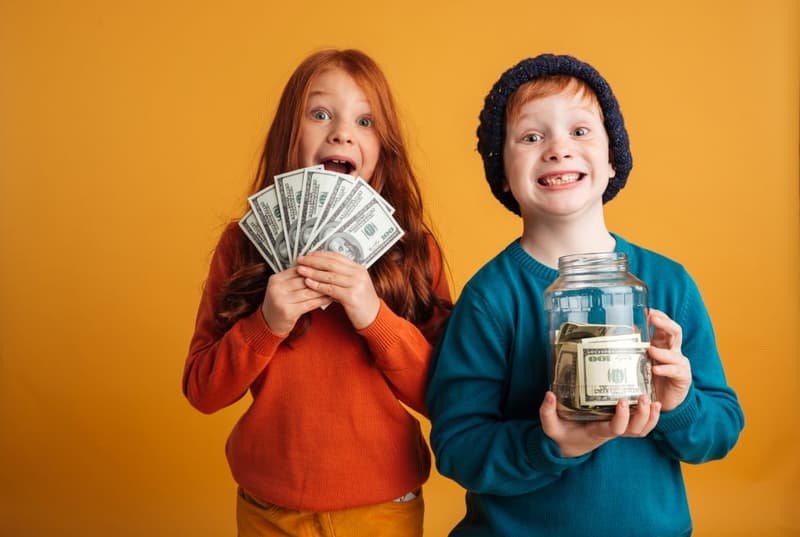
Four bags of gummy bears again? Why a money expert says to let your kid blow the allowance, and what they learn when it's gone.
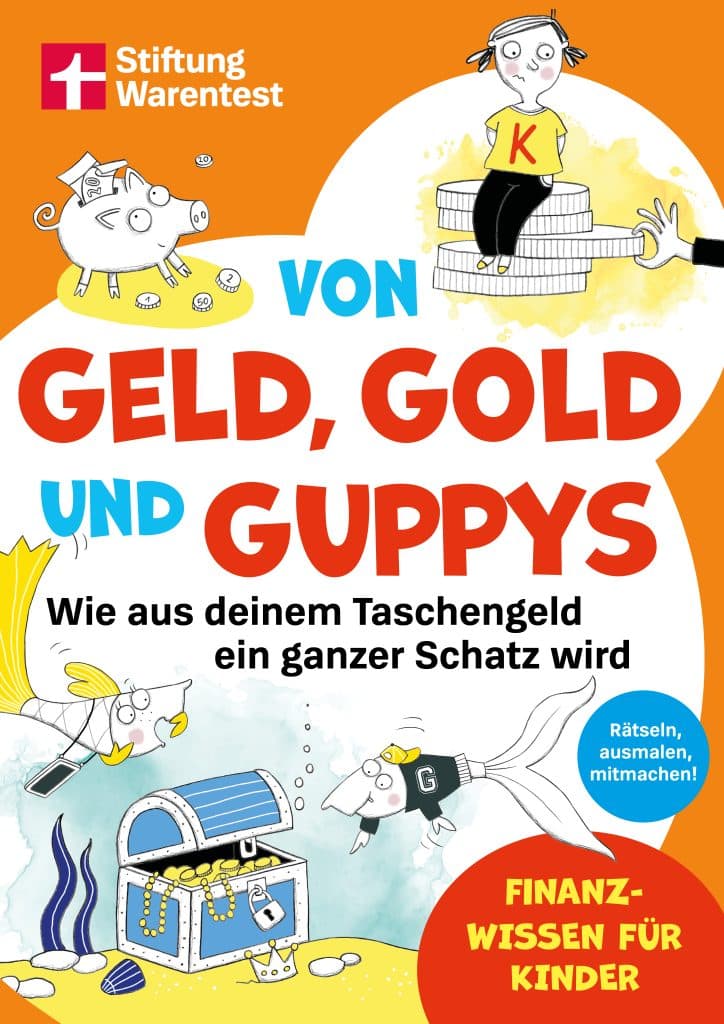
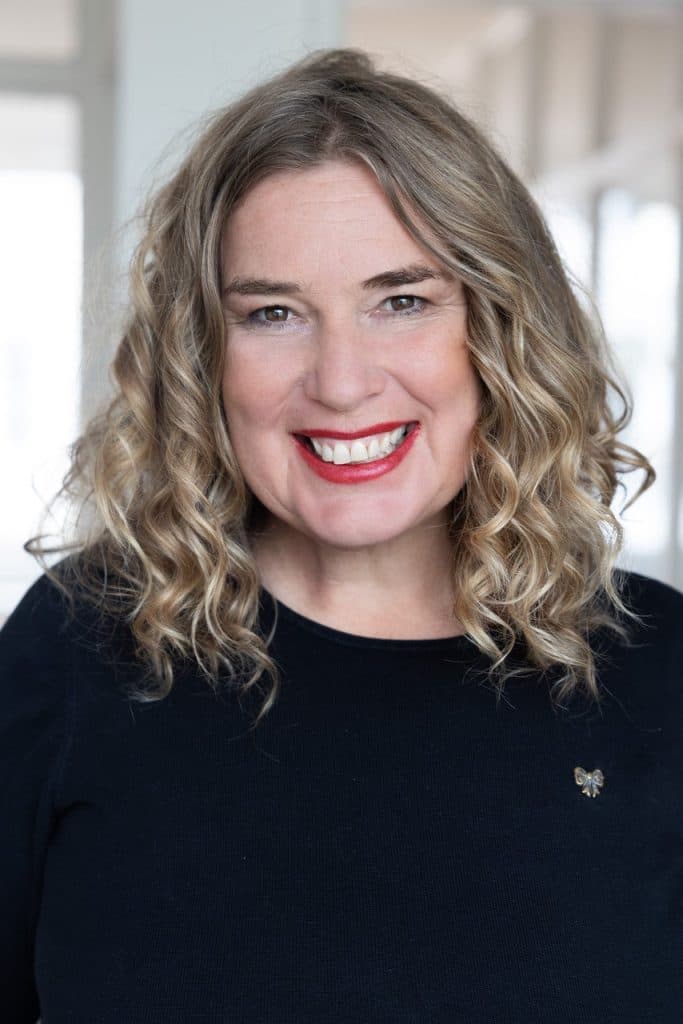
Friends, how savvy are you when it comes to finances? Do you know your way around the stock market, ETFs, investments? And if you do, when did you start learning about it? "People who learn early how to handle money make much better financial decisions as adults and are less likely to end up in debt," says Andrea Schwendemann, author of the book "Vom Taschengeld zum ersten Sparziel: Von Geld, Gold und Guppys" (roughly, "From Allowance to First Savings Goal: Of Money, Gold, and Guppies"), published by Stiftung Warentest, Germany's well-known consumer testing organization. We talked to her about kids and finances:
Ms. Schwendemann, why does it make sense for kids to get an allowance in the first place?
Would you learn to ride a bike by only watching? No. It's the same with kids and money: You can talk about it all you want. But we only really understand money once we hold it in our hands, spend it, save it, and sometimes waste it on total nonsense.
An allowance is the practice field. It gives kids the chance to make their own decisions: Do I buy the ice cream now? Or do I save for two more weeks to get a comic book? Studies show that kids who decide on their own how to use their allowance are measurably better with money, even when you account for differences in their parents' income and education. That makes an allowance a very effective piece of everyday financial education.
In my book "Von Geld, Gold und Guppys," published by Stiftung Warentest, there's a template for an allowance contract: Kids can work out the rules around their allowance together with their parents, and renegotiate them every year. There are tips for good negotiating in there, too, by the way.
At what age do you recommend starting an allowance, and are there guidelines?
When kids start school, so around age six or seven. That's when children develop a first mathematical understanding of prices, take on more responsibility, and spend more time outside the family.
Based on the latest study from the German Youth Institute, I recommend two to three euros a week at ages six to seven, three to four euros a week at ages eight to nine, and from age ten on, fifteen to twenty-five euros a month. Up to age nine, it's better to pay weekly, because a month feels like forever to an eight-year-old. More important than the amount is reliability: always on time, and never making them ask for it.
Why is it important for kids to deal with money and finances early on?
For a lot of kids today, money only exists as a number on a screen. No reaching into a wallet, no counting coins, no feeling that something just left your hands. A swipe on the tablet, a click in a game, a subscription that quietly renews every month. The question is whether kids walk into this world with or without protective gear.
Studies show that people who learn early how to handle money make much better financial decisions as adults and are less likely to end up in debt. And the study "Youth in Germany 2025" makes clear how much we need this: Twenty percent of 14- to 29-year-olds currently have debt, a record high. That's no coincidence. This is the moment when a lack of financial knowledge gets expensive. Early financial education is prevention.
Should parents have a say in what their child spends their allowance on?
The short answer: No. Allowance is theirs to spend as they see fit and shouldn't come with conditions. If kids have their own money but need permission for every purchase, the learning effect is gone.
I know it drives parents crazy when their kid buys four bags of gummy bears with their allowance. But do you remember what you spent your allowance on? Probably not always to the delight of the adults. Kids are allowed to make money mistakes. We make impulse buys we regret too, don't we? If your child spends their allowance on nothing but ice cream three weeks in a row, they'll notice on their own that they can't buy anything else they want that way. That's learning from experience. The three-jar experiment from my book helps here. Feel free to talk about it afterward, but without blame, and as a conversation, never as a reason to take the allowance away.
There's one exception, of course: Kids can't buy anything dangerous or illegal.
What's one tip from the book that you'd most like to pass on to kids?
I'd like to give them two tips. The first: Read and learn a lot about finances. My book covers questions like: How do interest and compound interest work? What's the difference between saving and investing? Who falls into the debt trap? What gets traded on the stock market? What is a bitcoin? What's the difference between a want and a need? That's the foundation. It's the only way they'll learn to make smart financial decisions.
And the second: Keep a smile list for a few days. Every evening, write down three things or experiences that made you happy. Draw a coin next to it if it cost money. Draw a heart next to it if it didn't. After a week, count: What made you happy more often, things and experiences with coins or without? Surprised how many wonderful things cost nothing?
One chapter in your book is called "Does Money Make You Happy?" What's your answer?
Studies show that lottery winners aren't any happier than before after a year or two. Sobering. And somehow freeing. Of course, we live in a society where hardly anything works without money. Rent, groceries, daycare fees, class trips, the list is long. Money creates security, and security is a real foundation for well-being. But once you reach an annual income of around 100,000 euros, more money hardly buys more happiness. I know, 100,000 euros is a lot of money, and very few people earn that much. Still, what really carries us are things without a price tag: stable relationships, belonging, a sense of purpose.
What the kids in my book discover, and what I keep relearning myself: Everyone has their own formula for happiness. The question isn't "How much money do I need?" It's "What are my ingredients for happiness?" Meeting up with your best friend, a spontaneous game night, a good book. Cooking together, friends around the table, a weekend with no plans. If you know your formula, you also know better what's worth spending money on and what isn't. The very best things in life usually don't have a price tag you can pay with money.
This story first appeared in German on StadtLandMama.