One Dinner, Six Eaters: How to Make Everyone Happy
Pasta-only preschooler, protein-counting teen, a husband who wants meat. Here's how one nutrition counselor feeds them all without cooking six dinners.
Hi, friends! How often do food and cooking leave you completely stressed out? One person won’t eat this, another won’t touch that, and it gets exhausting fast. Or you stand in the kitchen asking yourself: What on earth am I supposed to make?
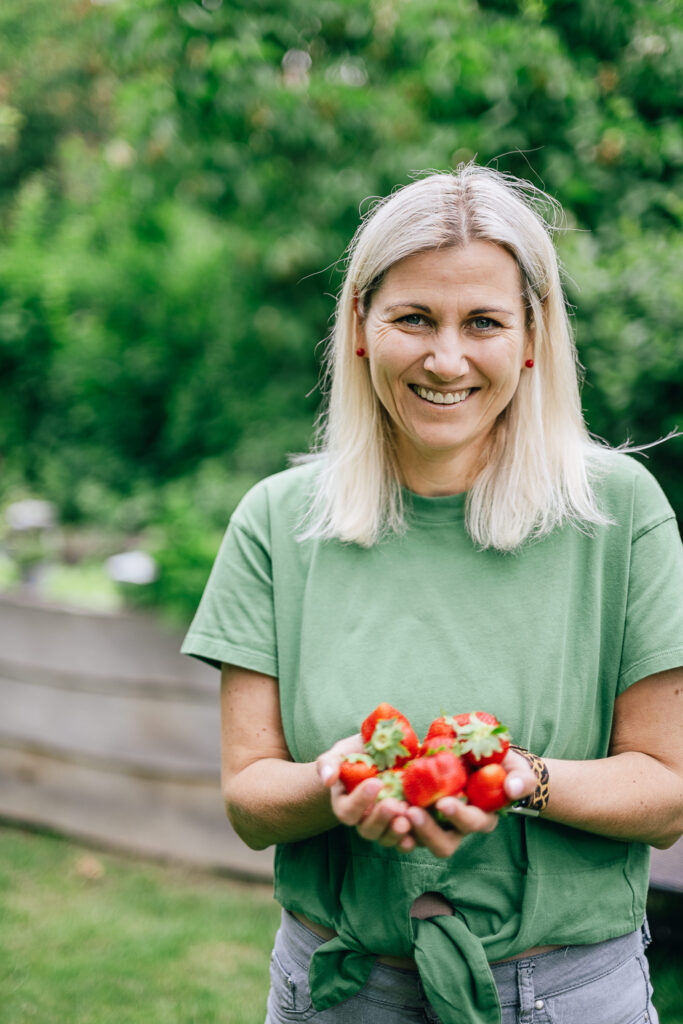
Jenny is a mom of three and a trained nutrition counselor who specializes in babies, kids, and teens. She’s the founder of familienkost.de, a big German food blog, and a cookbook author. Here are her tips:
What on earth do I cook tonight?
The preschooler wants nothing but pasta and picks out every single piece of diced veggie. The 15-year-old counts protein in his head and wants high-protein meals. The man of the house asks at every vegetarian dinner when the meat is coming, while Mom, sitting right there, really just wants a small portion, preferably low carb. Okay, that’s a bit exaggerated, but it’s not all that unusual in real families, and it makes the question “What should I cook?” anything but easy.
I’m a nutrition counselor and a mom of three, and for 13 years I’ve been working on quick, simple recipes for the whole family. Again and again, my readers tell me it drives them crazy to find meals that work for everyone.
Most of us have neither the time nor the money to cook a separate meal for each person every day. So I took a slightly exaggerated look at the different types of eaters around the family table. In my new book, “Das gibt’s jetzt öfter” (“We’re Having This More Often”), I track down what each of them likes and share tips for making them all happy with a single meal. Want a taste?
Who’s sitting at your table?
The “I decide for myself” kid
Kids love pasta and simple, carb-heavy dishes like pancakes, rice pudding, and fries. They’re wired for sweet from birth and tend to turn up their noses at anything green. That’s a survival instinct left over from the Stone Age, when green foods were often poisonous.
The picky eater isn’t necessarily a kid. Picky eating doesn’t automatically get “outgrown.” It can last a lifetime. While all kids reject new foods during certain developmental stretches, the picky eater is often stressed by intense flavors or certain textures. That may be because he has an especially fine-tuned sense of taste and touch.
The vegetarian
The biggest misconception about this type is that he’s always the biggest vegetable fan. Most vegetarians simply want to skip meat and animal products.
The meat lover
This type usually grew up on classic meat-and-potatoes home cooking and doesn’t consider a meal complete unless it includes meat.
The protein maximizer
The protein maximizer is usually very health-conscious and cares about his fitness. He always tallies up the protein in a dish and tries to get as much of it as possible into every meal. Low-protein dishes leave him unhappy and unsatisfied.
The low-carb lover
The low-carb lover is usually keeping an eye on her weight or her blood sugar. She tries to cut back on carbohydrates because she feels fitter and more balanced that way.
Cook once, make everyone happy? 5 tips that make it easier
I’ll admit that even I sometimes wish for a magic wand to make my family of five, with all our different preferences, happy with just one meal. Since I’m sadly not a fairy, I’ve collected lots of tips that make life easier for us. What helps?
- Involve your kids
Don’t let your child’s limited preferences limit you. Keep cooking as balanced as you like. It can take up to 14 exposures before a new food is accepted. Cooking together, growing your own vegetables, and trips to the farmers market can all help build that connection.
Avoid generalizations your child will end up believing: “That’s Karl. He doesn’t eat vegetables.” (If Karl hears that again and again, sooner or later he’ll believe it himself.) To make sure everyone gets full, ideally there’s always one “safe” item on the table that can be eaten plain, like cooked pasta, potatoes, rice, or bread.
2. Don’t stir trigger ingredients into the food
Lots of parents make the mistake of stirring a big handful of chopped herbs into the food at the last second. Boom, the kid gives it a skeptical look and pushes the whole plate away. With picky eaters, it’s much better to put the herbs on the table and let everyone help themselves. You’ll have far more success that way. The same goes for other toppings like crispy fried onions or roasted chickpeas.
3. Keep an eye on protein up front
A balanced amount of protein is good for the whole family, which is why the recipes in my cookbook often use nonfat quark, skyr, chicken, or peas. You can also boost any classic dish with protein by pureeing white beans into it, sprinkling Parmesan on top, or folding in cottage cheese.
4. Toppings and sides for every taste
If you set out a few toppings for everyone to help themselves, each person can add to their meal however they like. I’m thinking crispy pan-fried bacon bits for the meat lover, roasted chickpeas for the vegetarian, and pumpkin seeds for the protein maximizer. If you’re making a vegetarian dish, you can win over the meat lover by pan-frying a chicken breast on the side, warming up a hot dog separately, or stirring cooked ham into his portion of pasta.
5. Build-your-own recipes
This might sound a bit like Lego, but it’s honestly my favorite method for a happy family meal with different types at the table. I put the individual components on the table, and everyone “builds” whatever they like best on their own plate. In my cookbook “Das gibt’s jetzt öfter,” I share recipes for a build-your-own burger bar, a build-your-own gyro bar, a quick spur-of-the-moment pizza, and colorful breakfast bowls.
That was just a taste. You’ll find lots more tips and tricks for the family kitchen, more than 60 easy recipes, and 4 weekly meal plans for a stress-free routine in my book. I hope I’ve whetted your appetite.
Yours, Jenny

HERE is where you can order the book
This story first appeared in German on StadtLandMama.