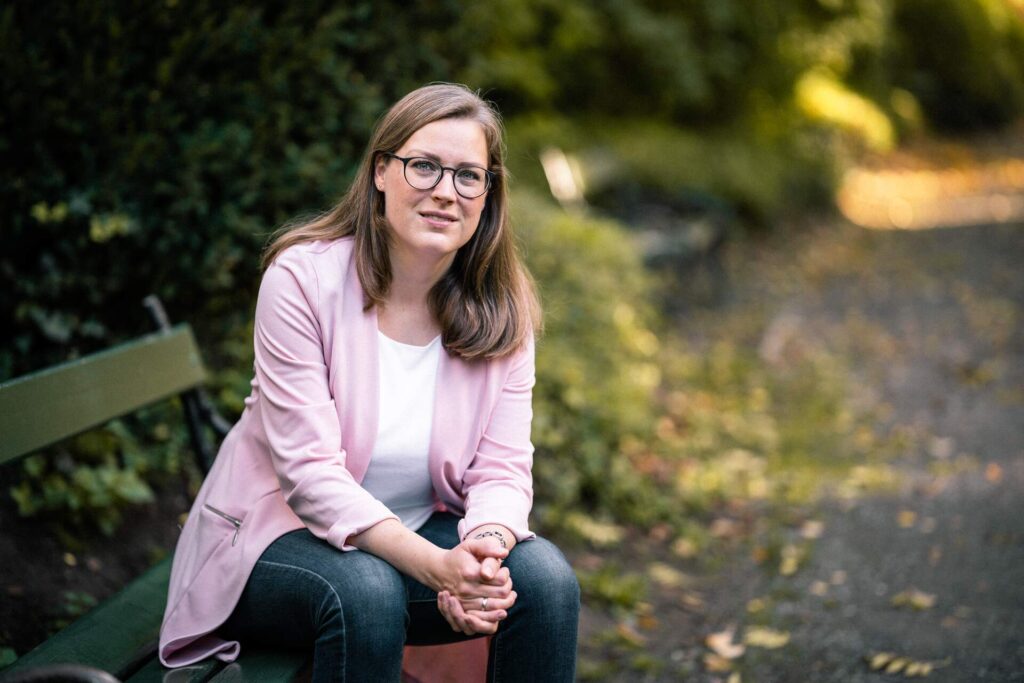
After Two Miscarriages, I Didn't Recognize Myself
She was the cheerful one who always believed it would turn out okay. Then two losses left Julia staring in the mirror, wondering who she was.
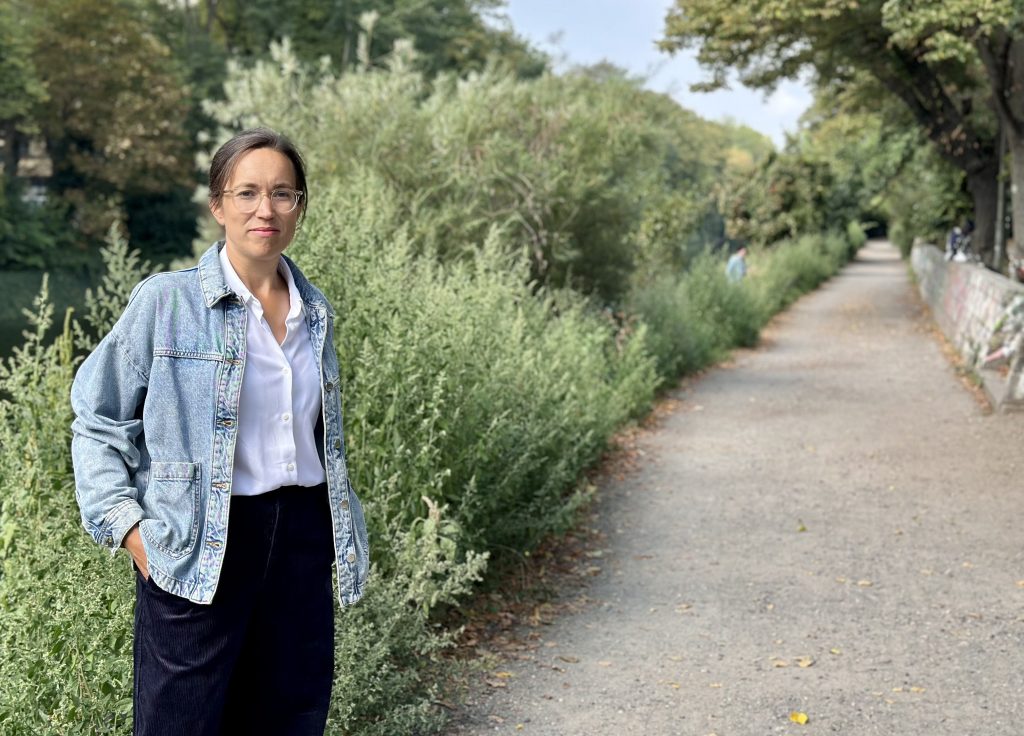
Dear friends, our reader Julia Sellinat had two miscarriages in 2019. Julia, born in 1987, works as a systemic coach and HR professional. She's a mom of three daughters, and she helps women find their footing again after an early loss and get ready emotionally for a new pregnancy, with confidence instead of fear. We talked with her about her two losses, about the things people said that hurt, and about what women in this situation really need.
Julia, you support women after a miscarriage and on the way to a new pregnancy. What are your clients like when you first meet them?
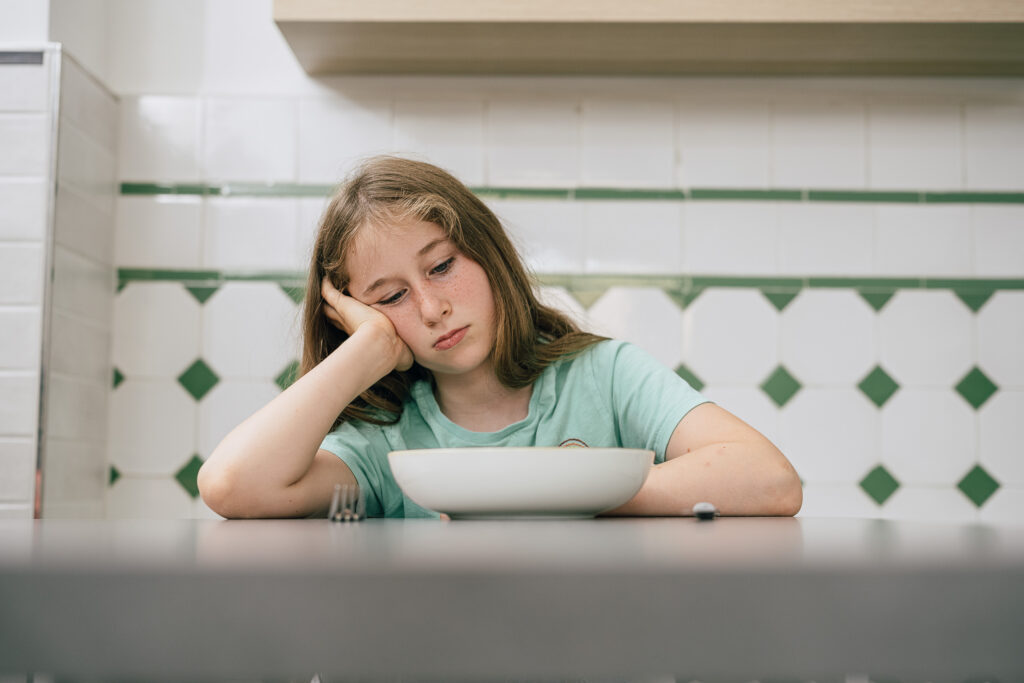
After a painful loss, many women are just functioning. A client described it to me recently: “Before I leave for work in the morning, I don't just put on my shoes, I put on a mask. On the outside, I function. When I get home in the evening, I take the mask off and feel hollow inside, full of sadness.”
Many women hold it together for weeks, sometimes even months, after a miscarriage: for their partner, their job, maybe for older kids. The world around them keeps turning, but theirs stands still. A miscarriage doesn't just end a pregnancy. It ends a future you'd already painted in every color.
And then you're supposed to just carry on as if nothing happened. Yet it affects far more women than most people realize: about 15 to 20 percent of clinically confirmed pregnancies end in miscarriage. And still, this loss stays almost invisible in our society.
You know this pain yourself. What was it like for you back then?

In 2019 I got pregnant for the first time, after we'd waited two years for it. I still remember that moment at the OB-GYN's office so clearly: that tiny heart on the monitor, beating like crazy. A moment I'll never forget.
Only a few weeks later, I was back in that chair. And then came that one sentence: “I'm so sorry, but I can't find a heartbeat anymore.” I just sat there. Stunned. Unable to say a word. A few months later, I had a second miscarriage.
I wasn't just sad anymore. I was shaken to my core, hollowed out, with no ground under my feet. And suddenly I felt an endless distance from my own body. This body that I'd always trusted had let me down twice. I know today that isn't true. But that mistrust was simply there. It took a while before I could trust my body again.
You've told us that the people around you had always known you as a cheerful “doer.” How did the miscarriage change you?
I'd always loved my life and lived it like a true Rhinelander, from the Rhineland region of western Germany: with an open heart, lots of laughter, and a rock-solid belief in the local motto “Et hätt noch immer jot jejange,” which roughly means “It's always turned out okay.” Then the first miscarriage hit me like a slap in the face, totally unexpected and unbelievably painful.
The second one felt like a knockout punch. Sometimes I'd stand in front of the mirror and ask myself: Who am I, anyway? I didn't recognize myself anymore. And that's exactly what hardly anyone talks about: A miscarriage isn't only the loss of a baby. It's often the loss of a piece of yourself, too.
What did the people around you say?
A lot of what people said was well meant and still hurt. “It was still so early.” Or: “At least now you know you can get pregnant.” Between the lines, those sentences say: Your pain isn't really that important. It'll all work out, so get over it and look ahead.
But I didn't want to look ahead. I wanted to be allowed to say: I lost my baby. I'm sad. And I need time. That's what women need most after a miscarriage: to feel that their loss is seen and their grief has room.
What helped you after the miscarriages?

Four things really helped me after my miscarriages. First: talking. With my husband, with my family, with people who were simply there. For me that also meant talking with other women who'd been through it, women I met after my second miscarriage, once I opened up and talked about what had happened.
Second: movement and nature. Riding my bike, I realized that the world was still turning and that I was still part of it. Third: work and routine. Everyday life on the job gave me structure, a rhythm that held me up and challenged me at the same time. And fourth, maybe the most important: permission to have bad days. Grief doesn't wait for a convenient moment. It comes when it comes. And that's okay.
In 2020 you got pregnant again. What was that like?
I so wanted to be able to feel 100 percent happy about this new pregnancy. But after the two miscarriages, I couldn't. My first pregnancy after loss, also called “Pregnancy after Loss,” was not a normal pregnancy.
I counted the weeks and lived from ultrasound to ultrasound. The fear of losing another baby was always there. With every little twinge or cramp, every trip to the bathroom, there was that split second: Is everything still okay? On top of that came the worries and fears of the COVID-19 pandemic.
At the same time, I wanted to be able to look forward to my baby with no strings attached. It was exhausting, and it was also the most normal thing in the world for women in this situation. After long weeks and months, I finally held my little daughter in my arms. That was pure magic. In 2022 and 2025, I was lucky enough to welcome two more daughters.
What do you tell women to take with them through a pregnancy after loss?
The first thing, and maybe the most important, is this: Let the mixed feelings be there. Grief and anticipation are allowed to exist at the same time. You can miss the baby you lost and look forward to your next baby at the same time. One doesn't cancel out the other.
Second: Create small routines that do you good. Not because routines make everything easier, but because they steady you even on hard days. Third: You're allowed to set boundaries. You don't have to go to a coworker's baby shower if it doesn't feel okay for you.
Saying “no” in certain situations can be incredibly valuable. Fourth: Talk to your baby. Share your thoughts, your worries, and your fear, too. The bond with your baby doesn't have to be there right away. It's allowed to grow slowly as the pregnancy goes on.
What do you say to a woman who has just had a miscarriage?
I'm so, so sorry that you lost your baby. It's not your fault. Sometimes things happen that have no explanation. Take the time you need, for saying goodbye and for grieving. You're allowed to grieve in whatever way feels right to you. It's allowed to get lighter someday, without you feeling like you're betraying your baby. You'll carry your baby in your heart always.
This story first appeared in German on StadtLandMama.