“My Sister Is My Mother”: A Child of Incest Tells Her Story
Heads-up: This post contains affiliate links. If you buy something through them, we may earn a small commission at no extra cost to you. As an Amazon Associate, we earn from qualifying purchases.
She grew up with a mom and a big sister. At 11, one conversation with the woman she called Mom changed everything she thought she knew about her family.
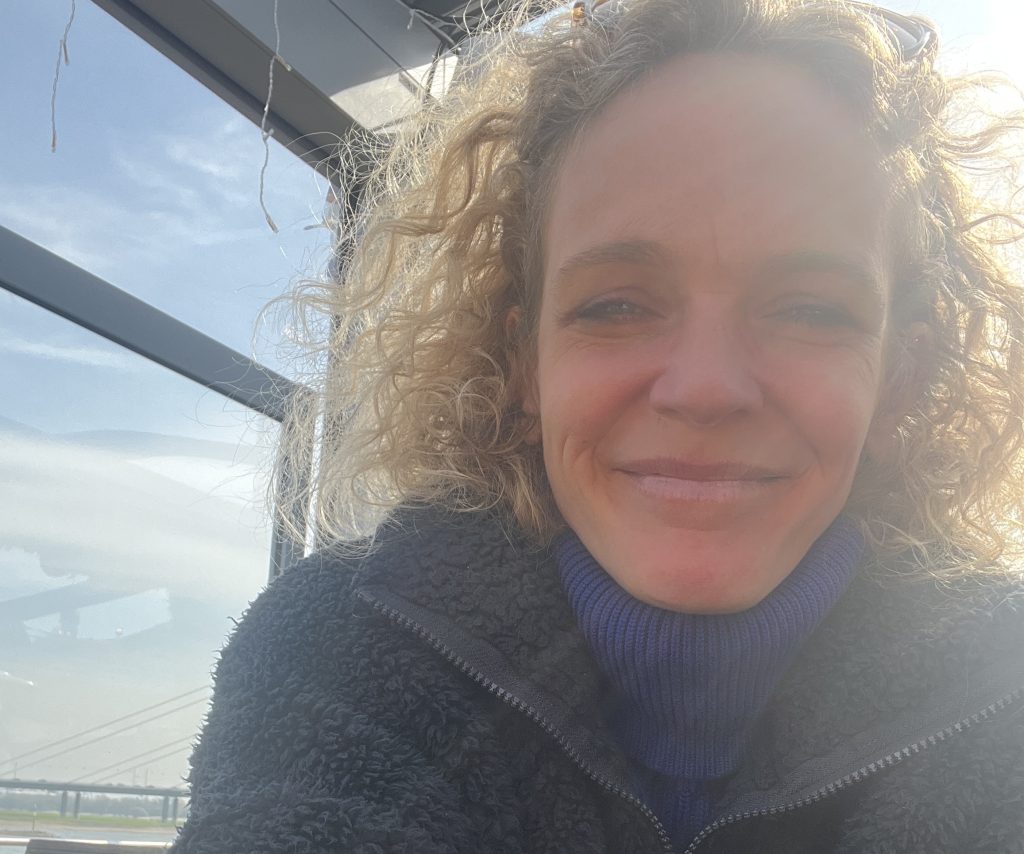
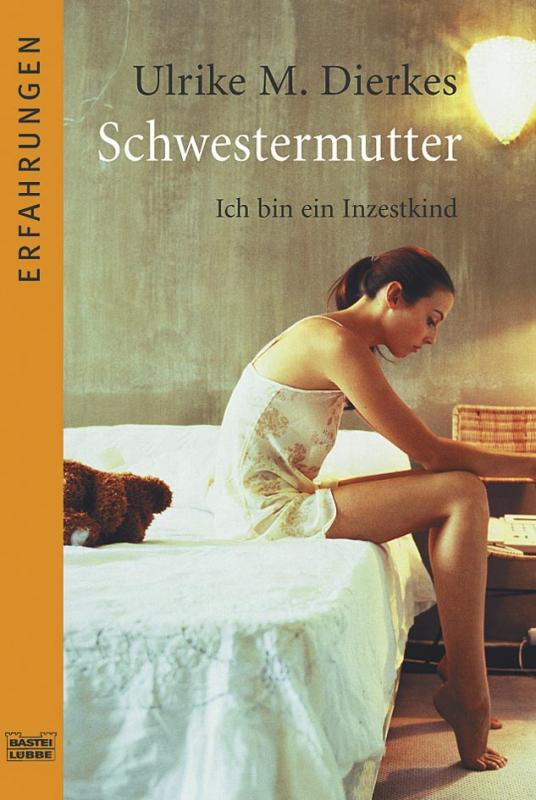
Dear friends, when I watched the German TV documentary “Kein Kind der Liebe” (“No Child of Love”) from the series 37° (it airs again on June 15 at 11:55 p.m. on 3sat), I messaged its protagonist, Ulrike Dierkes, right away. I had heard her story once before in a different context, and she had also written the book Schwestermutter: Ich bin ein Inzestkind. Eine wahre Geschichte (“Sister Mother: I Am a Child of Incest. A True Story”). I wrote to tell her how much her way of handling her family history impressed me, and I asked if she'd do an interview with us, which we were actually allowed to do.
Trigger warning: This piece is about sexual violence within the family. Please only read it if you feel ready, or if you have someone by your side who can support you.
Dear Ulrike, when you think back on the first 11 years of your childhood, what do you see in your mind's eye?
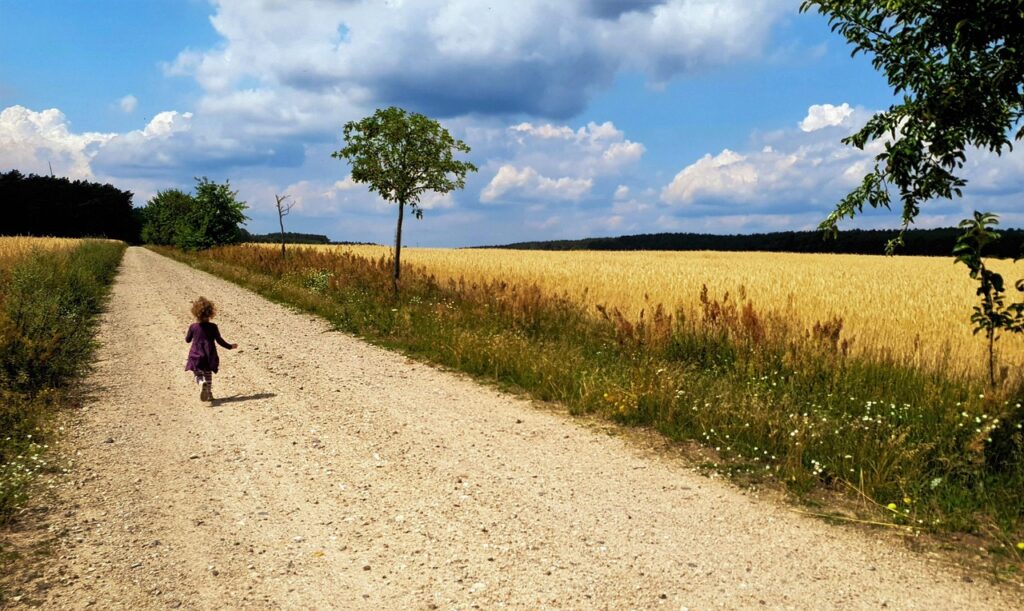
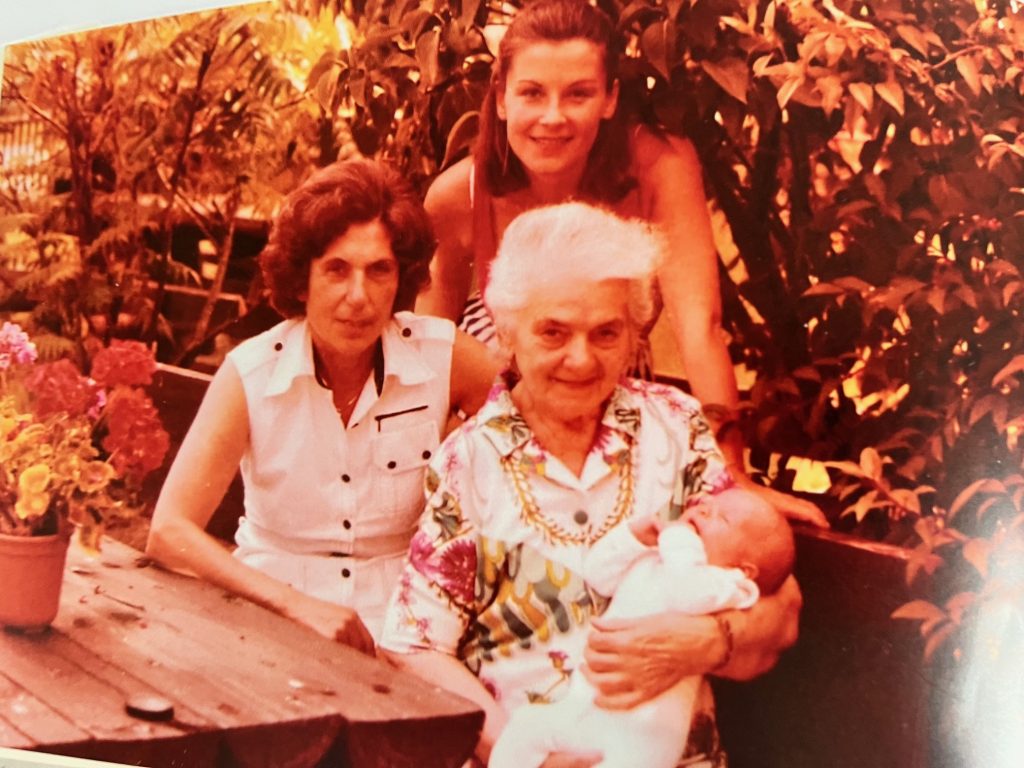
I was a happy kid. We had a lovely house with a big garden where everything grew. As a child I loved being in that garden and out in nature. My father was around sometimes and gone other times. Back then you could still play out in the street. When I was in preschool and playing outside, I heard words like “bastard” and “Blutschande” (an old German word for incest, literally “blood shame”). Some kids weren't allowed to play with me. That made me sad. I didn't understand it.
You found out at 11 what your father had done to your sister. Who told you, and do you remember what feelings it set off in you?
The day before my father came home, the woman I thought was my mother called me over. She said to me, word for word: “Dad is coming back tomorrow, but he's not coming from the hospital, he's coming from prison. He got your sister pregnant, and that child is you. It was too late for an abortion. When I looked at you, I always saw my husband's child of sin.”
I didn't understand any of it, only that those sentences meant nothing good. Nobody had ever explained sex to me, but I was hurt and in shock.
Who had you been calling “Mom” until then?
My father's wife, the woman I thought was my mother.
This woman, the mother of your biological mother, knew about the abuse within the family, right?
Yes. She had gone to the Catholic priest in our village and complained about her husband's sexual assaults on their daughter. He told her to keep quiet and pray that “it” would pass.
So your mother was only 13 years older than you, and really your older half-sister, who was abused by your father. What was your relationship like?
Since I didn't know she was my mother, I had her filed away as my sister, and that's how I experienced her. Our relationship was sisterly, but I sensed there was more to it.
Your father also went to prison twice for his crimes. Did he cross the line with you, too?
Since he was in prison twice for sexually abusing children, he can't have abused me during those years. But sexual abuse isn't limited to physical assault. It comes with manipulation and abuse of power. His wife, my supposed mother, was every bit as bad as he was. She was a co-perpetrator who kept his system running while he was away.
How did your family talk about it when he was in prison?
Nobody said that my father was a criminal sitting in prison. My biological mother was the one who got blamed. Her own mother called her a whore who had gotten involved with her father and, by staying silent, had plunged the whole family into misfortune.
What was the mood in your village toward you, the “child of incest,” and toward your family?
People in the village were furious at my father, who was in prison, but the shunning was unleashed on us, his family. There was whispering. Every walk through the village was running the gauntlet.
How did things go from there with your family?
When my father came home from prison the second time, my biological mother took me in to live with her in Berlin. After years of emotional manipulation in my parents' house, it was very hard for both of us. We had completely wrong expectations of each other. I wanted her as a mother, but I couldn't live up to what she expected of me.
When she met a man, at first she introduced me to him as her little sister, which I wouldn't accept. When he found out that I was her child, and by her own father at that, I was supposed to go to boarding school. Deeply disappointed, I went back to my father, to the house I grew up in. I stayed there until I was 18.
You later had children of your own. What was it like, and what is it like now, to be a mom yourself?
When you have children of your own, whole new worlds of feeling and new ways of seeing things open up, especially when it comes to abuse in your childhood home. When I found out that my father, despite two prison sentences, had new victims, I decided he would never have contact with my children. He died six months after his wife, without having gotten to know my children in his second marriage.
In 1996 you founded the association M.E.L.I.N.A. e.V. so that other survivors wouldn't feel quite as alone as you did back then, right?
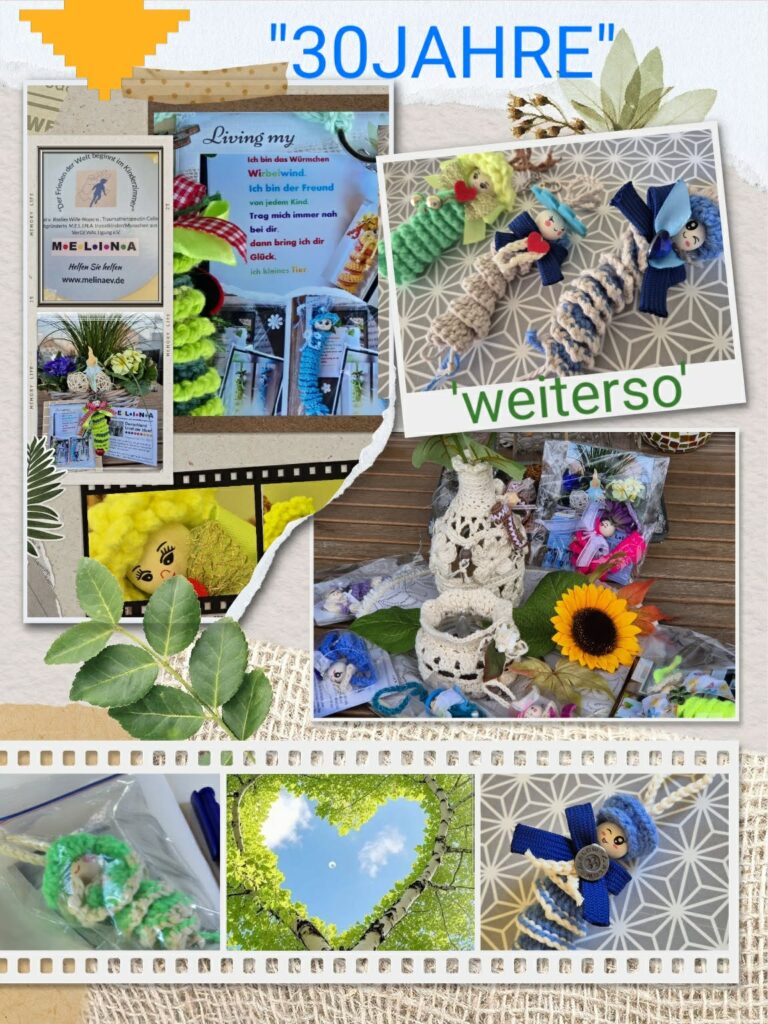
Right. Being left alone between a victim and a perpetrator was terrible. Everyone talked “about” me, but nobody talked “with” me. No matter what I did, everyone knew what was wrong, but no one could tell me what was right. Through my job I met professionals, women, child protection advocates. I had contact with the Weisser Ring, a German crime victims' support organization, and I took many professional seminars that moved me forward.
In 2008 you were awarded Germany's Federal Cross of Merit. What did that mean to you?
It showed me that my work and my path, my books and my TV appearances were finding success and recognition. I hadn't known that much positive feedback in my life before then.
Now ZDF has aired a 37° documentary about you. What reactions are you getting?
The ZDF piece 37° set off an overwhelmingly positive wave of responses. To this day, survivors tell me that my story has helped them. People who aren't affected react with outrage at the perpetrators and on the side of the survivors.
By the very next day, the short ZDF video with my statements had 11,800 views and 826 comments, and it had been shared 399 times. Quite a few inquiries came into the inbox of my association, M.E.L.I.N.A. e.V.
Did you ever expect to be standing at this point in your life someday?
I had hoped for it. Ever since I was 11, when I found out that my sister was my mother, I wished for us that the demeaning things people said about those of us affected would be corrected. It couldn't stay that way.
One last thing: Life is a gift. No child gets to choose the circumstances they're born into. No one gets to choose their fate. Before the law and before God, every person is equal. Don't let anyone talk you out of your right to exist or your rights. Stand up for yourselves. Get up and leave destructive family structures. Never stop fighting for yourselves. Get help to do it. Every person has the right to be happy. “Whether you spend your life weeping or laughing: it has the same length.” (Confucius)
This story first appeared in German on StadtLandMama.