A Pony Farm in Germany Where Families Say Goodbye to a Baby
Heads-up: This post contains affiliate links. If you buy something through them, we may earn a small commission at no extra cost to you. As an Amazon Associate, we earn from qualifying purchases.
A dad sat alone by his daughter's cradle after days of walking away. Here's what a pony farm in Germany gives families who lose a baby.
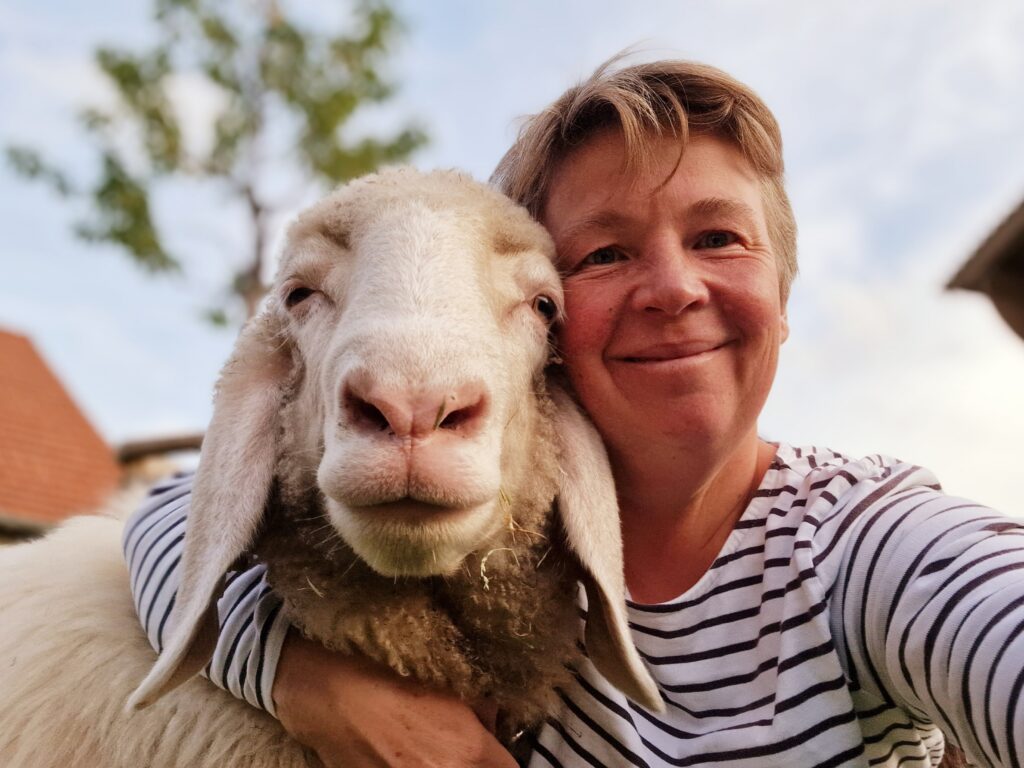
Hi friends, some people you could listen to for hours when they tell their story. That's how we feel about Carolin Feismann, who has now started a goodbye house on top of everything else. After a devastating loss, she turned her life upside down. She has worked as a dishwasher, a bush pilot, a business owner, and the founder of a hospice. She studied medicine and spent time in Alaska, Israel, Kenya, Tanzania, and Uganda. She also worked with Doctors Without Borders in Ivory Coast, Liberia, and Benin… and eventually landed back in the Münsterland, a rural region in northwestern Germany.
There, in the village of Darup, she turned a ruin into a place families all over Germany know: an animal-assisted children's hospice that takes in families whose children have life-limiting illnesses. It's a pony farm for respite, for final journeys, and for goodbyes with love and dignity.
After years of fresh starts, detours, and pushing her limits, Carolin Feismann didn't want to fight for peace anymore. She wanted to live it, somewhere between construction site and pony farm, hospital bed and family kitchen, pain and comfort, star children (the German term for babies who die before or shortly after birth) and little lambs. She's always hands-on and practical, and always sure that peace doesn't have to start big to make a difference.
Gut Feismann is now a goodbye house, too
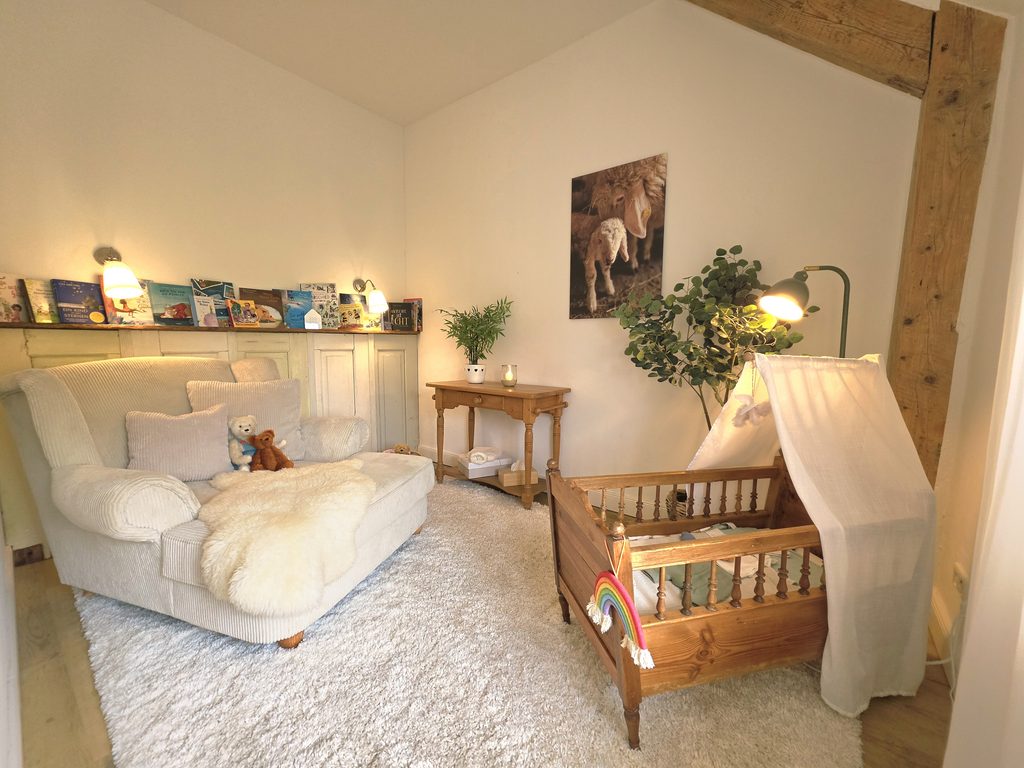
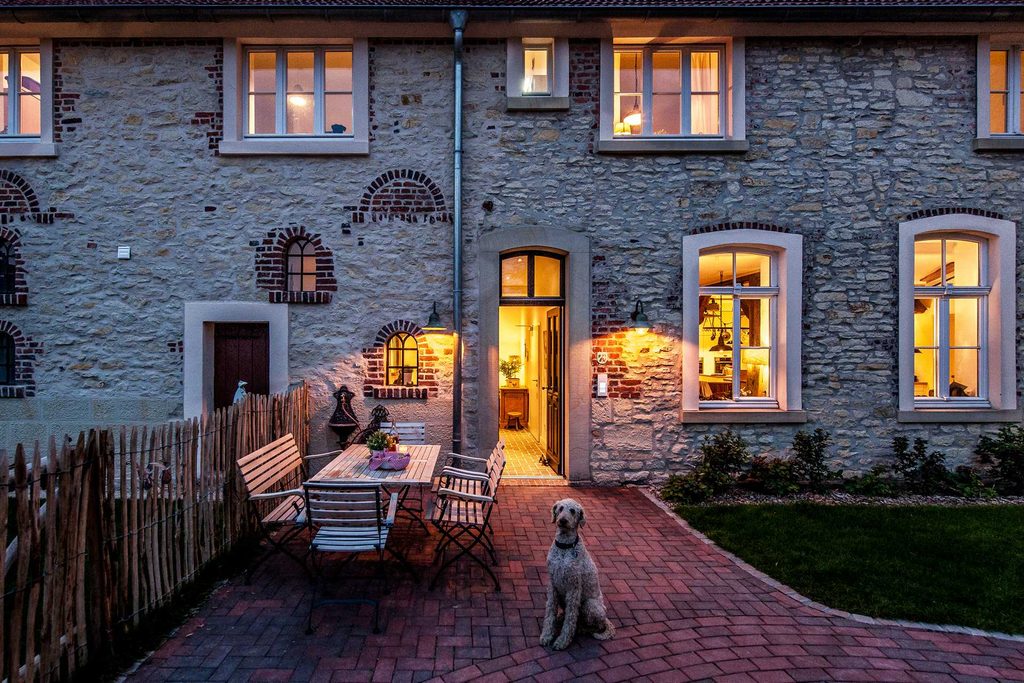
The farm in Nottuln-Darup, called Gut Feismann (the Feismann estate), has now become a goodbye house as well. Carolin's dream is that one day there will be goodbye houses everywhere, all across Germany. This one has room for the very earliest losses, too. When parents lose a child during pregnancy or in the first year after birth, they can move onto the farm with their family for five days. It costs them nothing. The entire program is funded by donations.
During this fragile time in their lives, the families settle into the goodbye house's family apartment. They can welcome relatives and friends, and the kids can spend time with the animals. At lunchtime, all the guests and the whole team sit down to a meal together, so no one has to think about cooking a hot meal.
The most important part is that they're given room to say goodbye to their child. Often it's a baby they never really had the chance to get to know. “Peace comes when we can accept what is,” says Carolin Feismann. What does she mean by that?
Room to process the loss
When a baby dies of sudden infant death, for example, the police come first and take the baby's body to rule out foul play. The family, who haven't even begun to grasp what just happened to them, are left behind in shock.
This is where the staff at Gut Feismann step in. They reach out to the family and arrange for the child to come to the farm once the forensic medical examiners release the body, so the family can say goodbye to their child with dignity.
The same goes for stillbirths. Families in that situation can also be taken in at the Star Children Goodbye House at Gut Feismann. Affected families are lovingly supported by a team of professionals from different fields, so there's room and time to understand, accept, and say goodbye.
Good support through grief
“Many mothers and fathers whose child died during pregnancy don't want to see the baby right after the birth, because they're completely overwhelmed and afraid,” says Carolin Feismann. But it's a myth, she says, that the pain fades the less you face the loss. Saying goodbye consciously can work wonders for processing grief and can help prevent trauma.
“When parents have to hand their child over to the police and never get the chance to look at their baby or hold them, they end up fighting what happened,” Feismann explains. That takes an enormous amount of life energy and can lead to burnout, bitterness, or even breakups. Children need their space. Here, they and their families get it.
Just last night, Carolin watched a dad sit alone by the cradle, grieving for his little daughter. At first he had chosen to go for walks. He wanted to get away and turned down everything that was offered. “It was a very moving scene, seeing him sit with his baby who had died, after he'd stopped fighting it and could finally let what happened sink in,” Feismann says.
Countless ways to create memories
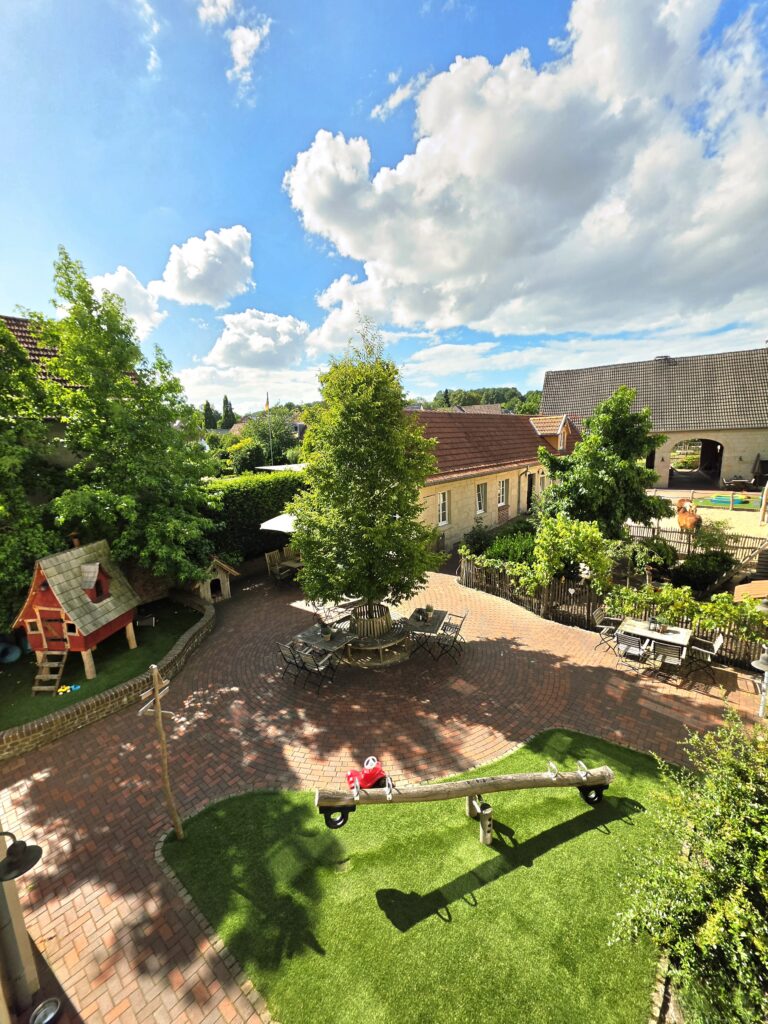
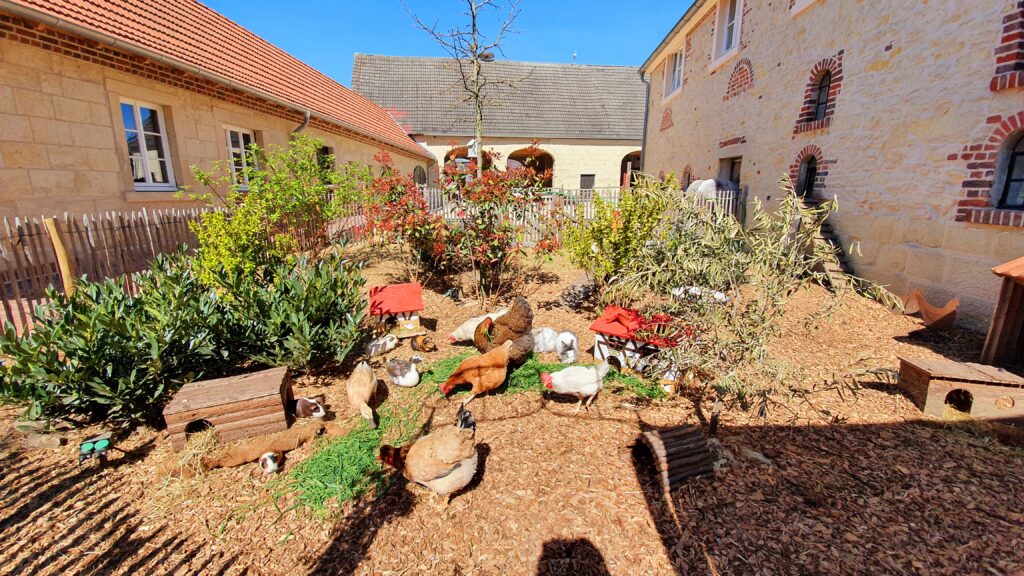
Families (sometimes two in one week) can have family photos and last photos of their child taken by a star child photographer. They can make pictures with hand and footprints, and take their time deciding which type of burial feels right for them. Siblings are free to move between grief and childlike cheerfulness. They can gather eggs, scratch the sheep, or go pony riding.
Ten people work at the estate: two pediatric nurses, Carolin as managing director, her husband as the part-time handyman, her mom as a volunteer in the laundry room, a special-needs caregiver who also works as a family companion, two animal caretakers, a cleaner, and a midwife who supports the mothers with weaning and postpartum recovery, along with so much else.
To pay the team's salaries and keep supporting families free of charge, Carolin hopes health insurance companies will cover the cost of this important trauma-prevention service. More funding partners are also needed to open more Star Children Goodbye Houses. “We need so many more houses like this. I see it in the people who come to us. They often seem like people who are drowning, and our support can save them,” she says.
Walking the last stretch together
When the family is ready and the funeral director comes to pick up their child, Carolin and her team prepare a beautiful final journey, tailored to each family. Siblings make small treasures for the trip, pick out toys, and place everything that matters to them in a lovely little casket. With music the family has chosen, the parents carry their child through a path lined with candles to the hearse. “And if the siblings here ask for Bibi and Tina (a beloved German kids' series about two girls and their horses), then they get Bibi and Tina. It's about them!” says Feismann.
On a few days each year, Gut Feismann opens its gates to visitors. Carolin gives a talk about the work of the animal-assisted children's hospice and the Star Children Goodbye House. Visitors experience the peaceful atmosphere and get treated to good food in the estate kitchen, and affected families can recharge and remember.
“Those are always touching moments, of course, because on days like that we feel the presence of all the little souls we've said goodbye to here.” She draws the strength for this work from the deep gratitude of the families, whose lives would have taken a different turn without her.
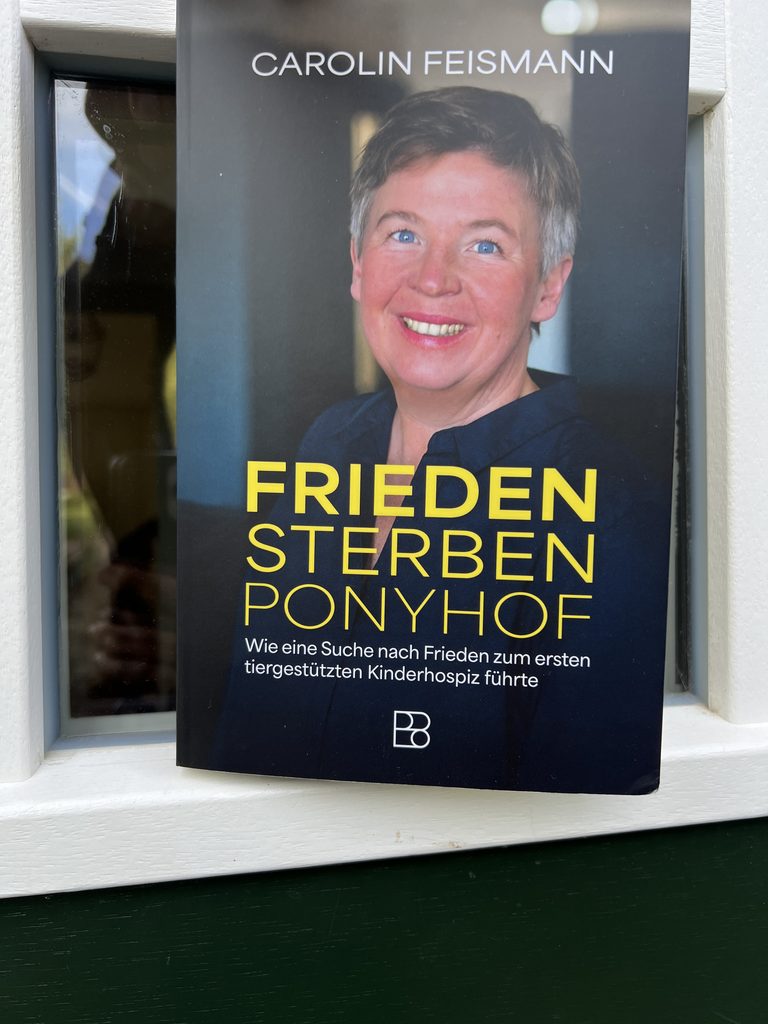
This story first appeared in German on StadtLandMama.