
In Defense of Labels: Making Sense of Your Teen (and Yourself)
Heads-up: This post contains affiliate links. If you buy something through them, we may earn a small commission at no extra cost to you. As an Amazon Associate, we earn from qualifying purchases.
We'd rather have a label than live with the static. Here's why sorting your kid (and yourself) into drawers can take real pressure off.
Friends, we humans are not good at living with uncertainty (including our own, which is why we need self-reflection). We'd rather get the pink slip than keep hearing hallway rumors that it might be coming. As long as there's still hope, our nervous system keeps humming, maybe there's still something I could do…
That static of uncertainty drives us nuts. Only facts calm us down again. They make us able to act again. It is what it is. So how do we go on from here? And no more of that constant danger lurking around the corner. And that's true not just at work, but in life in general.
Sorting Out Your Feelings
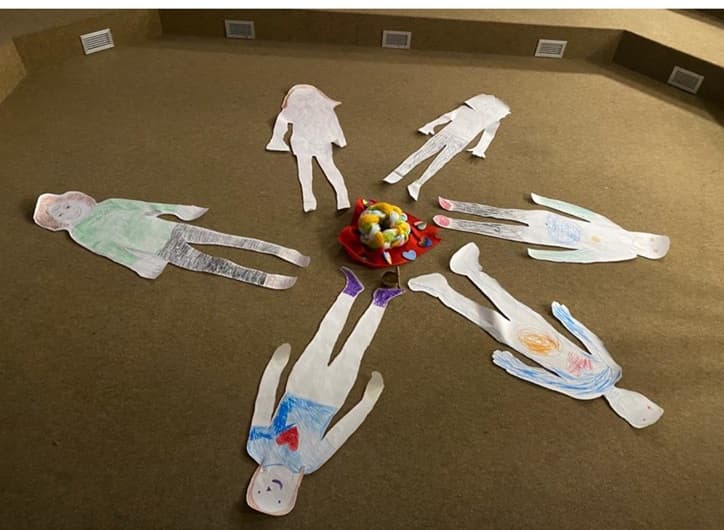
So when feelings suddenly start pelting us that we don't recognize, it's a relief when someone helps us sort them out, when someone paints a picture, when someone asks after a brutal piece of news: Is there way too much going on in your head right now, or almost nothing? Or: Where does the feeling sit in your body? Is it small and angular, or round and big?
Or when someone lays out different types and asks: Where do you see yourself? And where do you see your family members? That creates order in your head. We can open drawers and put things in them, so we don't have mental to-dos open in our brains all the time.
You know how it goes: a computer with too many tabs open will crash eventually… That's why so many people jump on personality models. To check ourselves against them. To place ourselves. To recognize ourselves. To find some security through self-reflection.
It's also why we sometimes feel better after a diagnosis: we're no longer poking around in the dark, we finally know what's going on. Someone says, This could be ADHD, and you read up on it and think: Wow, that's me. Or: That's my kid. It's a relief. It sorts things out and gives us explanations. Our psyche needs that.
Which Love Language Do You Speak?

Plenty of couples counselors, for example, work with Gary Chapman's 5 Love Languages. They are words of affirmation; quality time; gifts; acts of service; and physical touch. Think about it: Which of the five is your dominant one? What do you need most? And which second language do you need on top of that to feel truly comfortable and loved?
And since this isn't a relationship column but a parenting magazine: What about your kids? Might they speak a different love language than you do? And could some of the conflicts between you come from that? You always give great gifts because it matters so much to you – and then you're disappointed that you barely get any on your birthday?
Maybe it's because your kid's dominant love language is physical touch, and they'd rather give you a big, tight hug. You can probably already tell how good it feels to have explanations for the way people behave. And frameworks like this exist not just for love, but for personality types, too.
Self-Reflection: Which Personality Type Are You?

Are you more of a perfectionist and helper, or a challenger and observer? Is your kid more of an individualist and achiever, or a peacemaker and loyalist? And if, as with the Enneagram types, you assume that one personality type is your main type but everyone also carries a second one in a "wing," which two fit you best, and which two fit your kids?
It's fascinating to dig into, because it's not even easy to figure out where you land yourself. But once I have that clear, I can sometimes handle future situations better. Ah, I'm reacting this way because I'm more of a type xy… ah, my kid is reacting this way right now because they're a totally different type.
That can take a lot of pressure out of the teen years. It's funny how much our psyche needs drawers. Put positively: pigeonholing is just human… and in tough moments with teens who are turning into strangers, it can help us feel a little less clueless when we remind ourselves what's under construction in their brains right now. Or what do you think?
This story first appeared in German on StadtLandMama.