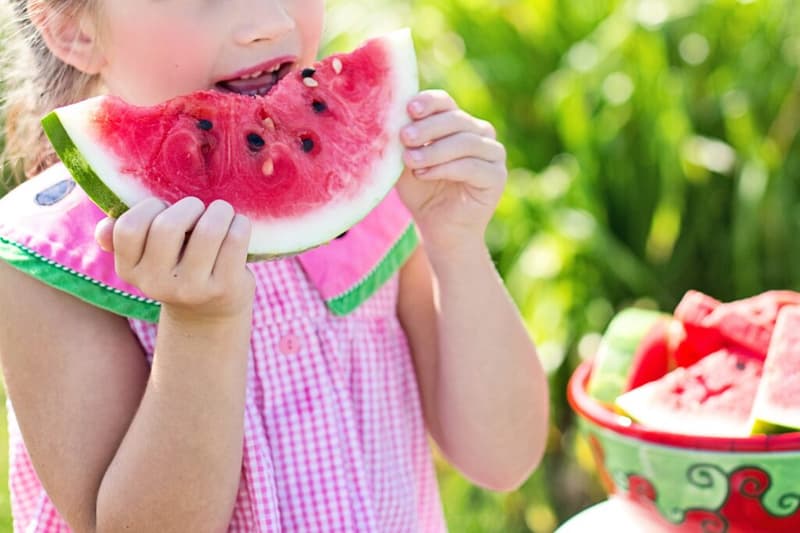
Raising Kids Who Know Their Way Around a Kitchen
Her kids ask for a nice salad on road trips and know their Parmesan. How did that happen? She took the time, every single day.
Hi friends, in the rush of everyday family life, and with a mountain of ready-made food always within reach, teaching kids about food tends to fall off the list. Julia Eismann doesn't want to leave it that way for herself and her kids. She sees it as part of care work to help children enjoy healthy food, and to love cooking and baking with real ingredients. Here's how she does it:
“Mom, can we stop somewhere now where we can get a nice salad?” That's the kind of thing I hear from my kids on the road. Also always good for a laugh: when we dig around for cash so our youngest can bike over to the honey machine. It's a homemade wooden box with little compartments. You put in 7 euros in coins, a compartment unlocks, and you take out a jar of honey.
The kids know which vegetable is which. At the cheese stand they order the Gruyère, no wait, organic please. And the aged Parmesan, because it has more flavor than the young one. They know the farm stand where we buy straight from the farmer, they know the farmers market, and we all love our veggie box. During the pandemic we didn't just cook, we baked a lot, too. In that stretch, all of my kids learned to flip pancakes by tossing them in the air, just like Daddy Pig, except ours actually made it back to the pan.
Cooking with our kids
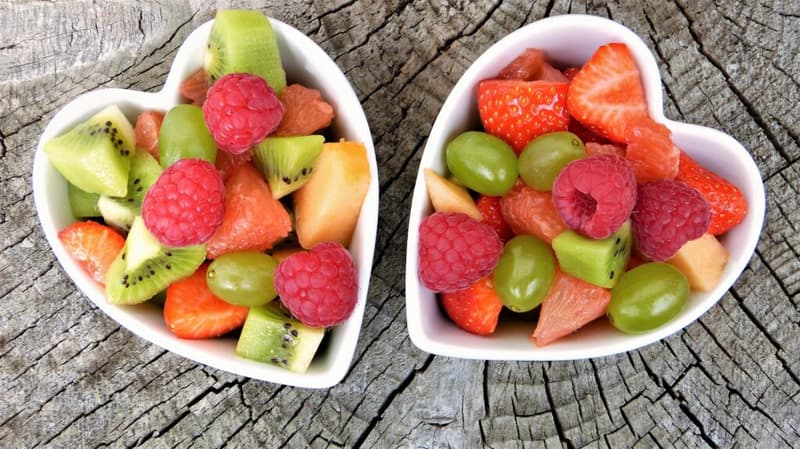
We cook. Well, I cook with the kids. We chop, we taste, sometimes somebody doesn't like something, and next time we try something else. They love baking, too, sneaking cookie dough, and giving their homemade cookies away as gifts.
We always have snacks with us. Everywhere, all the time. Cut-up fruit and veggies, plus a pick from the new snacks by the new brands that are trying to do things differently and better. And bread-and-butter sandwiches, the classic kind. Here in Germany they're called Stullen. A big favorite is the Lord Sandwich, named after the legend that the Lord had his food brought to the card table between two slices of bread. In our house that means a folded sandwich with cream cheese and cucumber slices. Only we don't use white sandwich bread. We like something with seeds and whole grain flour.
We call it “real food.” How did the kids learn that? I took the time and did it with them. Again and again, every single day like clockwork: breakfast in the morning, a hot meal at midday, and in the evening usually Abendbrot (our traditional bread-and-cold-cuts supper), or another warm meal, or a nice salad. These days our schedules are chopped into pieces, but we never go a day without one cooked meal.
This is part of care work. There's even a word for it in German: Ernährungsbildung, literally “food education.” A lot of people don't get enough of it. When that meets convenience, we end up with too much fast food and highly processed food, with the visible consequences: obesity, heart and circulatory problems, and more. You also notice it in the family budget, whether food is planned and built around basics or spontaneous and built around speed.
Fruit, vegetables, meat or alternatives, sweet and savory, everything gets tried and talked about. Where does it come from? What has to happen before it ends up on the plate? And of course that's care work, too. Teaching kids about food is something that should happen in families. Or let's say: it's something that happened in families for a long time and hasn't found a new home yet.
Because families are cooking less. Even in the generation of today's parents, we see that cooking and eating together at home is no longer a given part of the day. Work cafeterias and business lunches replace the midday meal at home. That's not something we're going to turn back, because the way we work right now comes with it. Ignoring that would be naive.
Still, the question remains: how will today's kids learn to eat consciously and healthily? How will they come to understand that the best food choices aren't the expensive ones, but very often the ones built on basics?
Really experiencing food
Experiencing food in the kitchen, being there and pitching in, is something special. A handful of dry lentils turns into a stew. Brown, earthy potatoes become creamy mashed potatoes. Raw meat, if that's your thing, turns into a roast with those browned, toasty flavors. A sweet, creamy batter becomes a fluffy cake. Yeast dough rises and becomes cinnamon rolls with frosting, eaten warm in the best company. All of it creates a very particular feeling of home. And it's not the same when you buy things ready-made. Not even when you buy them almost ready-made and just heat them up in your own appliance.
Like all care work, teaching kids about food is an investment in their future. When you learn how food “works,” you get the basics for taking good care of yourself. You learn flavors, textures, ways of preparing things. You also learn what belongs in a meal plan, and in what amounts.
And you learn to appreciate the products. Especially in country life, it's often possible to look at where food comes from. Maybe the chicken farm where you buy eggs also has chicken feed on hand so the kids can get close to the animals, or the farmer asks whether they'd like to come see the cows.
Even the “how do you eat this?” question is no longer a big topic. Table manners and eating with silverware get pushed over to daycare. Meals at home usually aren't silverware meals anyway: breakfast (where it happens at all before the packed day) and Abendbrot are mostly cold and eaten by hand, or, say, muesli with a spoon. Is it even fair to also load daycare teachers with teaching kids how to use silverware at all? Here, too, they do incredible work wherever they can.
Because for many kids today, that's reality. We're seeing meals move out of the home. Kids eat in daycare, and later at school. Parents eat out as well, maybe in a cafeteria, and in any case away from anything the kids can see as meal preparation.
We won't turn that back. Our days are full and loud, and we're glad when the kids are decently fed. What lands on their plates probably needs improving more than how they actually eat it. What remains: in this system, passing on knowledge about good food is left to chance.
Passing on a love of cooking and baking
People who are excited about something pass that excitement on. Farming has programs to make itself more visible. People who blog and post about food do their part. And in the end it's still a matter of luck who will be able to turn brown, earthy potatoes and raw eggs into a meal.
I don't have a ready-made answer. But I believe it starts with asking the question at all, and with talking to each other about how we want to make this work.
This story first appeared in German on StadtLandMama.