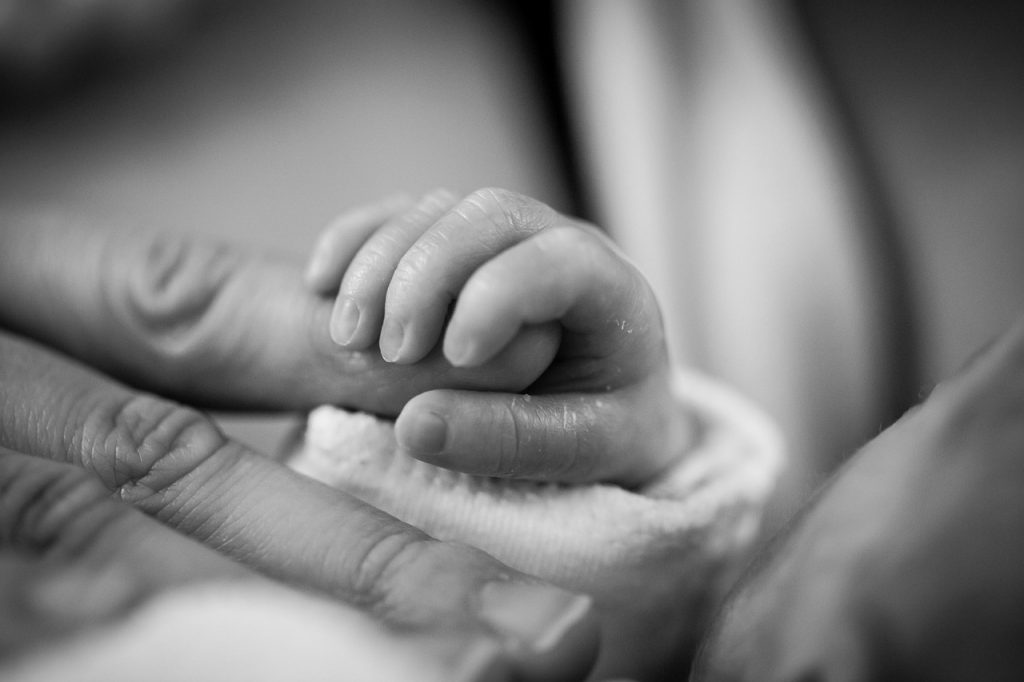
The Invisible Trauma After a Birth That “Went Fine”
Her son was born healthy, but Franzi still can't touch her C-section scar. Why a birth that 'went fine' can leave invisible wounds.
Hi, friends! Dr. Ute Taschner is a physician, a mom of four, and an expert in supporting women after difficult or traumatic births. She has worked in medicine for more than twenty years, including in obstetrics, and in that time she has had the privilege of walking alongside many women after a distressing birth. Here she tells us about her friend Franzi, who developed an invisible trauma after giving birth.
“My friend Franzi was perfectly prepared. She's a fitness trainer who specializes in pelvic floor work and prenatal and postnatal training, she was in great health, ate a balanced diet, and had a flawless pregnancy, plus hypnobirthing and meditation. She was ready for the birth of her son. Everything was supposed to work.
And then came that one moment. Franzi had gone to the hospital because she was feeling her first contractions. After a routine fetal heart monitoring check came back normal, the doctor asked her whether her water had broken yet. Right at that moment, she felt warmth between her legs. Franzi was overjoyed – here we go! But it wasn't amniotic fluid. It was blood. A lot of blood.
Franzi told me later: “In that moment, I knew I had to hand over all responsibility for my life and my child's life to other people. I had to trust the doctors and the team completely.” Within seconds, her baby's heart rate dropped from 130 to 80. The doctor looked at her and said, “Ms. K., we're getting your baby out. NOW.”
What followed was an emergency C-section. Franzi's son was born healthy. Medically speaking, everything was fine. But emotionally, a new chapter began for Franzi, one she never expected to be this intense…
The invisible trauma after birth
Sadly, I know many stories like this from my years of working with moms, because according to international studies, at least 20 percent of mothers experience the birth of their child as traumatic.
If you've been through something similar to Franzi, know this: you are not alone in your story! Many moms go through a birth that shakes them to their core. It doesn't matter whether it was a C-section or a vaginal birth. It doesn't matter whether everything “turned out fine” medically. Because it does matter how you experienced your birth. It matters how you felt. It matters whether you were hurt or overlooked.
Birth trauma doesn't happen because you were too weak or because you should have just “stopped making such a fuss.” Birth trauma is a normal reaction of your body and your soul to an abnormal event. It happens when an event breaks through our protective layer and leaves us feeling overwhelmed and helpless. When, in Peter Levine's words, it was “too much, too fast, too soon.”
More than a year after her son's birth, Franzi is still struggling. There are moments when tears overwhelm her as she thinks back on the birth. To this day, she can't touch her C-section scar. Her body stored the memory of that day in every fiber.
Recognizing the signs of birth trauma
Maybe you recognize yourself in some of these symptoms: You're struggling with panic attacks that are new for you. You sleep badly or not at all. Your heart races for no reason. You snap more easily. You feel frozen, or you want to withdraw. You cry more often, especially when you think about the birth. You don't trust yourself to be alone with your baby. You feel like a well-oiled machine, but your feelings have gone missing somehow.
Or maybe you get hit by very vivid memories – flashbacks – and suddenly you're reliving the birth, or parts of it, as if it were happening right now.
These symptoms are a sign that your nervous system is still in a state of shock. The good news: there is help. There are ways out of this state.
What you can do yourself
You don't have to wait for everything to get better on its own. There are concrete steps that can help:
Talk about it. Yes, it hurts. Yes, you may be afraid of not being understood, or of hearing, “As long as the baby's healthy!” But your feelings matter just as much as your child's health. Find people who will listen without judging.
Write your story down. Note the details – not just the medical facts, but how you felt, what you were missing, who supported you well. Putting it into words on paper can be incredibly healing.
Give yourself a real postpartum recovery period. In Germany, we call it the Wochenbett, the first weeks after birth when you're meant to stay close to home and rest. Having a baby is a huge physical feat. Let people take care of you. The better you're looked after, the better your emotional and physical wounds can heal.
When you need more help
If the symptoms are still there weeks later, if flashbacks are running your days, or if you simply can't climb out of this hole on your own, then professional help isn't just a good idea, it's necessary. That has nothing to do with weakness. It's an essential act of self-care.
There are several kinds of therapy that work especially well for birth trauma: EMDR, Somatic Experiencing, and cognitive behavioral therapy. What matters is finding a professional you trust, who understands that birth experiences can be traumatic. (If you like, take a look around my website, too. I offer an online course, for example: “Step by Step: Processing a Difficult Birth.”)
You are not alone
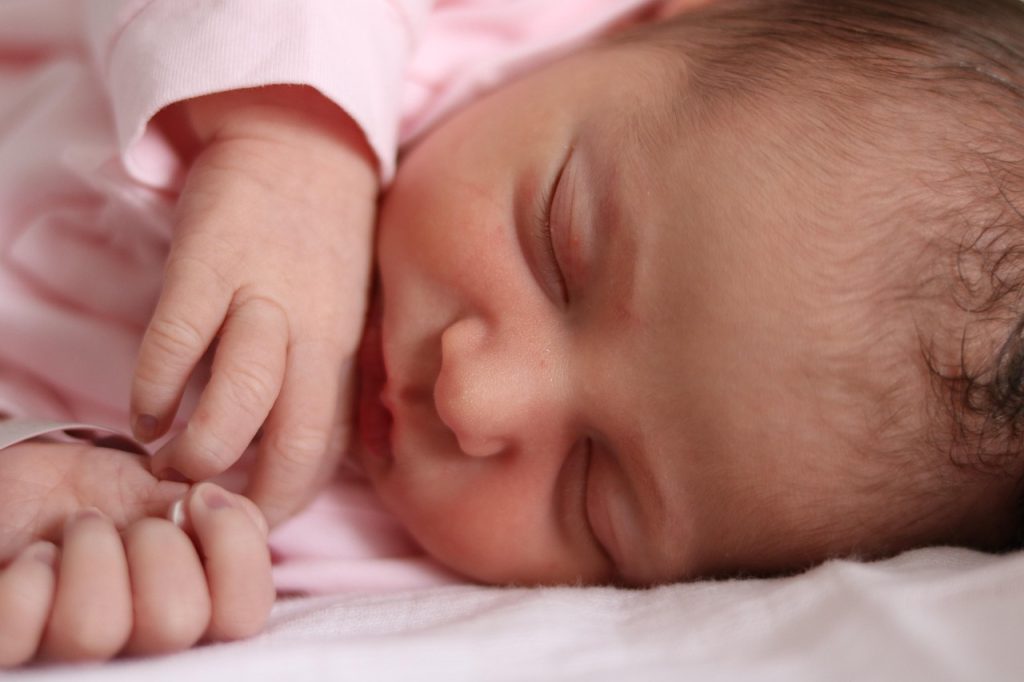
The memories of your birth won't simply vanish. They're part of your story. But they can grow fainter. Emotional wounds can heal too, even when physical scars remain.
Franzi still can't touch her C-section scar. She's giving herself time. She talks about what happened. Healing isn't a straight line. Sometimes healing is one step forward, two steps back, and starting over again and again. But she's moving forward.
The most important thing I want to tell you: you're not alone in what you've been through. You're not too sensitive. You're not “making a fuss.” You're not ungrateful just because you have a healthy baby and still tear up when you think about the birth.”
This story first appeared in German on StadtLandMama.