My New Book Is About the People Who Survived the Worst
Heads-up: This post contains affiliate links. If you buy something through them, we may earn a small commission at no extra cost to you. As an Amazon Associate, we earn from qualifying purchases.
A garden full of people who survived the unthinkable, one heartfelt card, and a message I can't stop thinking about: we're allowed to get through it.
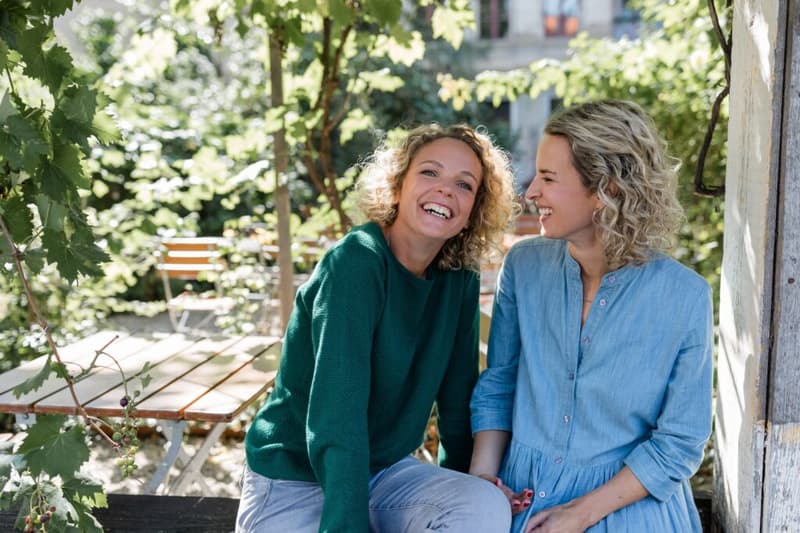
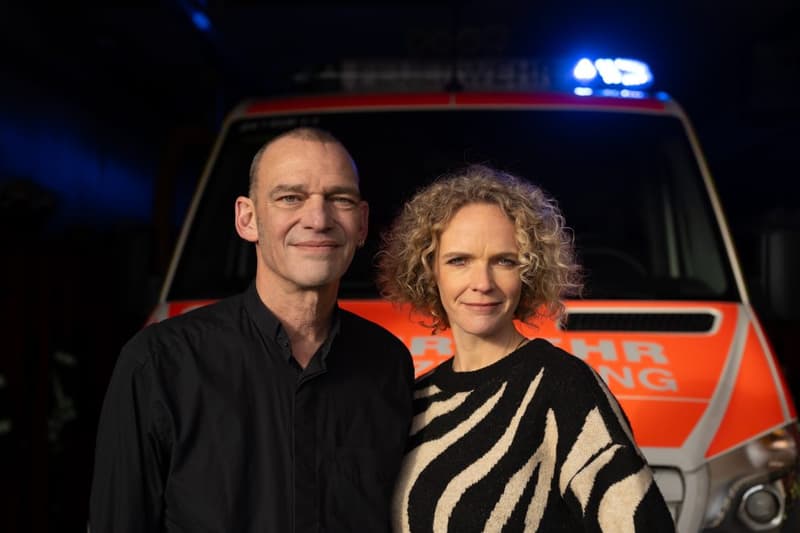
Hi friends, on Sunday we had a little get-together in our garden for the people who shared their stories with us for our new book, "And Suddenly Nothing Is the Way It Was." Albi Roebke has been a crisis chaplain, someone who supports people in the first hours after a sudden death or disaster, for 25 years, and he's the one who trained me. In his welcome and thank-you speech, he told everyone they belong to his "invisible congregation."
Normally, a crisis chaplain's involvement ends on the first or second day. But there are people Albi, who is a Protestant pastor, ends up walking alongside for much longer. Maybe because a trial is coming up and the surviving family doesn't want to go through it alone. Or because a mom has died and the dad has been arrested, and there's simply a need to talk about how to live with being the daughter of a murderer and of a murder victim, to put it in true-crime language.
That very daughter was there, too, and she brought me a card. Among other things, it said: "You practice pastoral care with so much devotion: with an open ear, a compassionate heart, and the strength to give words to the unspeakable. (…) Your focus always stays on the person. (…) Thank you for your important work."
Crisis chaplaincy is about the people who are still here
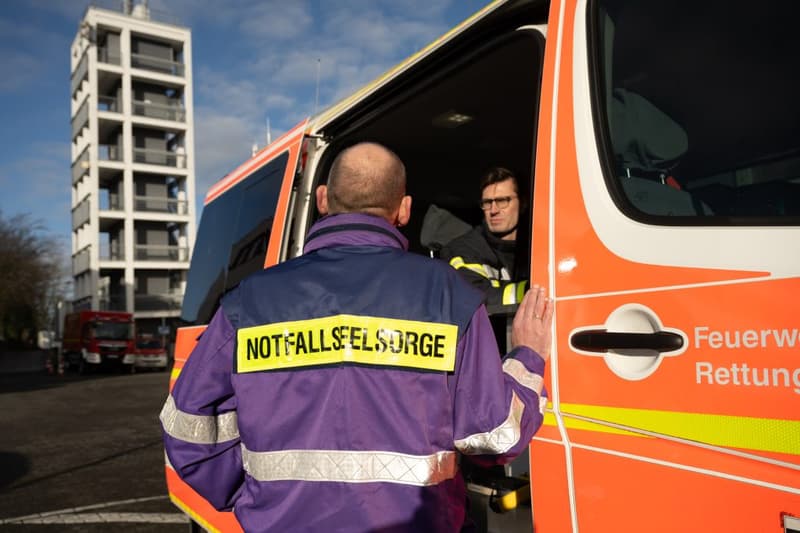
I'm telling you this because so many people ask me how I handle being around so many tragedies. And I like to answer: I'm not really dealing with death at all. I'm with the survivors, looking alongside them at which paths might lead through it. And there's so much gratitude in that, too. Words like the ones on that card flow into me and through me like warm honey.
Over the past few months, I got a look into some of the most extreme life stories you can imagine. Like Kathleen's, whose husband died suddenly from an infection while she was pregnant with their second child, and whom Albi then visited at home in those first weeks after the birth, newborn in her arms.
Like Chrissy's, who I mentioned above, who suddenly found herself without parents and is a mom herself today. Like Stephan and Anne's, who lost their baby to sudden infant death syndrome and went on to have more children.
We tell stories of devastating blows, but above all we tell stories of hope. Because one message runs through this whole book: we can survive even the worst catastrophes, and we're allowed to. And it always, always helps to have empathetic people around us who are simply there, without judging. Who step back when it gets to be too much. Who stick with us even when things get hard.
These are people like us. Like you and me. And listening to them helps us understand, even in smaller crises, why we tick and react the way we do. Why we break out in a sweat when we're stuck in traffic on the way to a job interview. Why we have to keep running to the bathroom when we have stage fright (it's an old survival instinct: the body switches into flight mode and has to drop all the ballast so you can run faster).
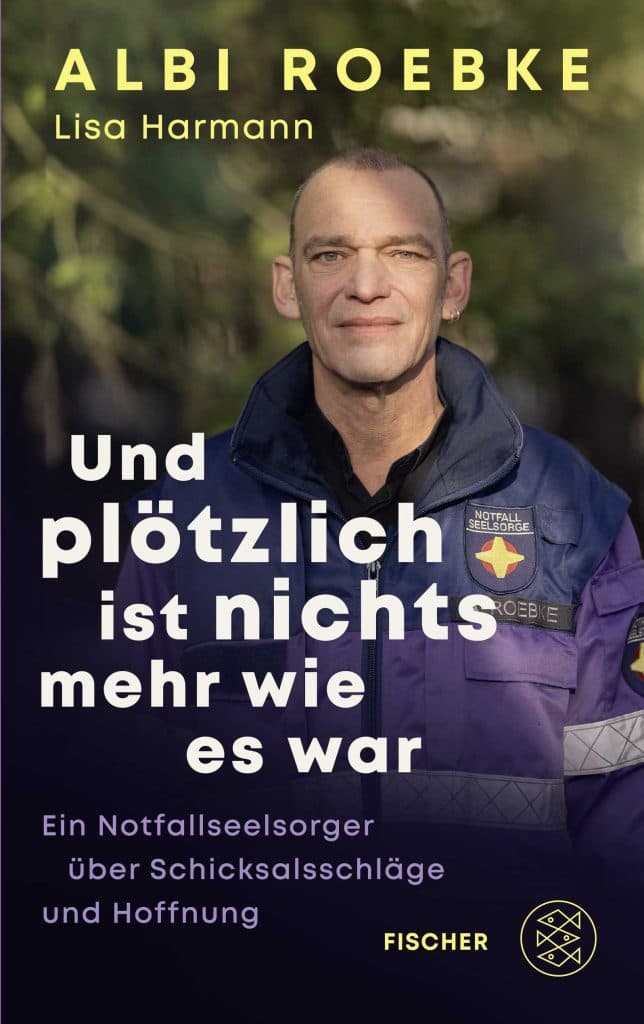
My 19-year-old daughter is one of the first people to read the whole thing (she's on college break!). Early this week she told me the book was completely different from what she'd imagined. It has so many sidebars we can learn from, whether for ourselves or for supporting people who might be going through a hard time right now.
In it, I also tell our own family story, including some losses that came far too early, especially my mom's. She was at the party in our garden on Sunday and left just glowing, because this community of people bound together by fate connected so easily. It wasn't about small talk but about what really matters. And about what kept them alive, even when at times they thought they wouldn't be able to get through it.
My new book comes out today, and I'm especially happy about that because just a few decades ago, psychologists were still saying it was better not to talk about terrible experiences, that it would only tear old wounds open. Thankfully, we know better now. Thankfully, we're allowed to talk about emotional burdens and swap stories about them. Thankfully, nothing that weighs on us has to be swept under the rug anymore.
I hope you'll have as many aha moments with this book as I had during my training as a crisis chaplain and while writing these chapters. Happy book birthday! I'd love to hear what you think once you've read it yourself.
This story first appeared in German on StadtLandMama.