
Plain Pasta Only? A Food Psychologist on Mealtime Pressure
Heads-up: This post contains affiliate links. If you buy something through them, we may earn a small commission at no extra cost to you. As an Amazon Associate, we earn from qualifying purchases.
Dessert as a prize, one bite of everything, ice cream for breakfast: a nutrition psychologist on which mealtime rules help and which ones stick for life.
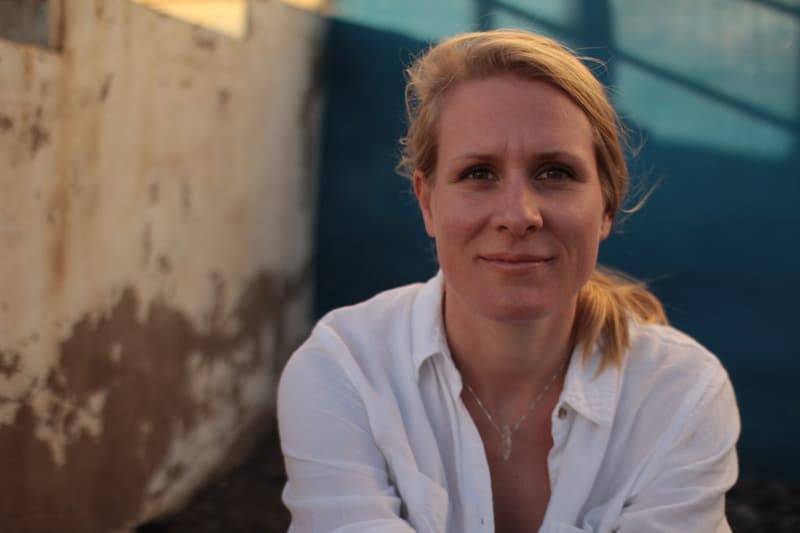
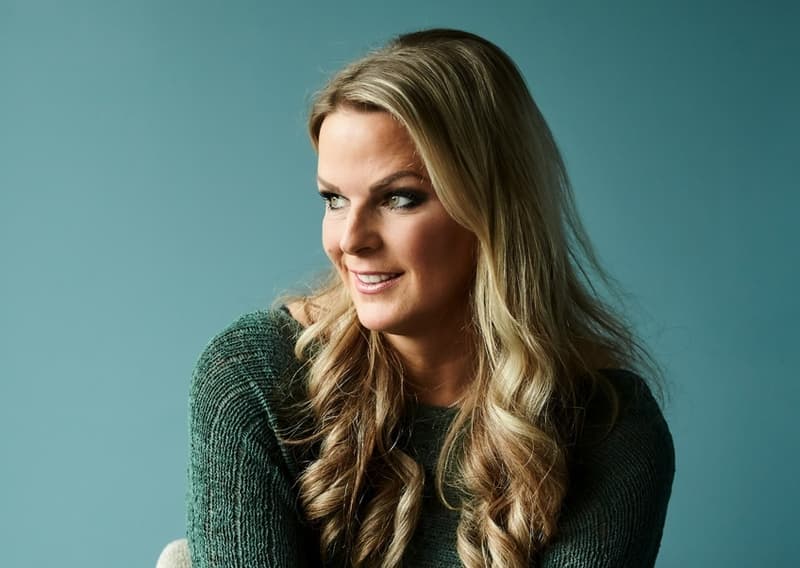
Hi friends, Ronia Schiftan is a health psychologist (FSP) and nutrition psychologist (ZEP) in Switzerland, and the author of the book “Wie Kinder essen” (“How Kids Eat”), subtitled “Understanding Children's Eating Behavior, Reflecting on What Shaped Us, and Helping Families Relax.” In her practice, she works with kids, teens, and adults on questions about food, body image, and eating behavior.
Besides her counseling work, she's involved in health promotion, provides continuing education for professionals, gives talks and keynotes, and teaches at universities in Switzerland and Germany. Her work raises awareness among professionals, parents, and organizations about a responsible approach to food, health, and body image, especially online.
Dear Ronia, some parents still make food conditional (“you only get dessert if you finish your plate”). What effect does that have on my child's eating habits?
Kids come into the world with a remarkably good ability to notice hunger, fullness, and preferences. But when we attach conditions to food, we shift the focus from body signals to reward and performance. In doing so, we unintentionally “override” the child's internal cues. The child starts to look “outside” themselves when it comes to eating, and their awareness of their own body and its needs fades.
Vegetables become a duty, and dessert becomes the coveted prize. Over time, this can lead kids to listen to themselves less and to connect food more strongly with pressure, comfort, or reward. I wish we would judge foods less and “override” our kids as little as possible. That way they can explore their own personal path with food and get to know their bodies well.
When I was in daycare, the rule was that everybody had to try everything (even if they'd already decided more than once that it was disgusting) and that you weren't allowed to drink while you ate. Only after the meal did we get a cup of tea (I still have issues with tea to this day). What do you say to that?
A lot of adults remember mealtime rules like these. They were often well meant, but looking back, they were rarely helpful. Kids become open to new foods mostly when they feel safe and get to discover things without pressure. Force can do exactly the opposite and lock a food in as a permanent negative, like what happened to you with tea.
Eating isn't just taking in nutrients. It's always about relationships, emotions, and learning, too. When I ask adults what they liked to eat as kids, they instantly tell me what they didn't like. That shows exactly how much more strongly we store negative food experiences than positive or even neutral ones.
If my child decides to eat only plain pasta, what can we do as parents? How do we respond?
First of all: stay calm. Phases like this are surprisingly common and often part of normal development. Kids have their own rhythm when it comes to how their eating develops. They look for security and predictability, and sometimes they find it in a bowl of noodles. The more pressure there is, the more stubborn the situation tends to get. Parents can keep cooking a variety of foods and offering different things. Parents decide what goes on the table. Kids decide what they eat and how much.
Usually there's an underlying fear that the child could develop a nutrient deficiency and suffer health problems. Surprisingly, though, nutrient deficiencies in kids are extremely rare. They metabolize food differently than adults do. In my book “Wie Kinder essen,” I list five questions you can ask if your child eats very selectively and you're worried about their health. If you can answer all of them with “all good,” there's really no reason to worry. Your child seems to be well nourished. If something is off, though, they need a medical workup. Maybe there's undiagnosed celiac disease or some other physical cause behind it?
Another important point: when a child eats very selectively, it can also be a sign of undiagnosed neurodivergence, such as ADHD or ASD. Many neurodivergent kids are highly sensitive to sensory input and tend to rely heavily on “safe foods.” It makes total sense to understand how your child is wired and to know that this is entirely typical for neurodivergent kids and rarely a cause for concern. Still, if you're worried, you should absolutely consult a professional.
How do we best respond when kids ask for ice cream and chocolate at breakfast?
As I'm answering these questions, it's 97°F outside where I am. I had to laugh at this one, because I woke up with exactly that breakfast craving myself. My body was screaming, “Cool me down!” But joking aside, kids can have some funny “cravings,” and it's worth meeting them with curiosity. What's behind the request? Is it about enjoyment, attention, or simply that the child is tired and their body is crying out for quick energy?
Bans and tension often just make foods more exciting. What I find fascinating is how we judge foods culturally, often in ways pure logic can't explain. You see it a lot with the Nutella sandwich. Why is it fine for kids to have jam or honey, but the Nutella sandwich stays a battleground?
Kind of funny, right? That's exactly where you can see how the logic works. Who says, for example, that ice cream at the outdoor pool is fine but not at breakfast? We can get more curious and take a more critical look at our own beliefs. Maybe your child wants the ice cream first and then the salami sandwich? Let it happen for once. It's interesting how quickly these “special” requests stop seeming like such a big deal.
The less we react to food choices and eating behavior, the more room we give kids to develop. That doesn't mean you, as a parent, should just ignore everything. You have your own convictions and ideas, too. If it's extremely important to you, then have the ice cream discussion, but first ask yourself: “Why is this so important to me, actually? What upbringing is behind it? What's really going on right now?” Kids absolutely can experience guidance and rules from their parents. But we need rules we truly stand behind and can explain to ourselves in a way that makes sense.
A family welcomes a late-arriving baby, and the big sister suddenly almost completely stops eating. How do you explain that?

Kids often communicate through their behavior. Especially when big changes are happening, they look for ways to feel in control again. Eating is one area kids can steer themselves. So I wouldn't start by asking, “How do we get her to eat again?” I'd ask, “What might she be trying to show us with her behavior?”
Behind changes in eating, there's often a need for security, closeness, or attention. It's rarely something a child is doing on purpose. It can be a sign that the child is under inner tension. It's also worth knowing that neurodivergent kids, for example, can react strongly to sensory input.
So what's it like at your house since the little latecomer arrived? Is it suddenly very loud at the table? Is it maybe restless and tense? Or does the big sister lose her appetite at the sight of a baby eating mush, smeared from head to toe and smacking away? Talk with your older daughter about what she's feeling inside. And as always: if you're worried, contact a professional.
I recently went on a foraging walk, and we were told it's fine to eat dandelion flowers with their stems. When I was a kid, I was always told the bitter milky sap in them was poisonous. Now I was told that bitter compounds are great. So which is it? And don't we react to bitter tastes with rejection precisely because the taste is supposed to protect us from poison?
Both are true. From a health standpoint, bitter compounds can be quite interesting. At the same time, kids are born with an innate wariness of bitter flavors. From an evolutionary perspective, that made sense, since many poisonous plants taste bitter. But that doesn't mean kids never learn to like bitter foods. Taste develops through experience. Without pressure, but with patience and repeated exposure, many kids can broaden their preferences.
I'm not an herb expert, and I'm happy to leave that to others. What matters is that uncertainty often comes up precisely where a lot of fake news is circulating. Sometimes it comes from our own childhood, and sometimes from social media. It's alarming how high the share of misinformation (up to 90%) is on social media when it comes to food and health. It can make people very insecure.
Why do kids say they don't like tomatoes or cheese or spinach, and why does that change over the years?
Taste and preferences aren't fixed. They keep developing throughout life. Kids are often more sensitive than adults to textures, temperatures, smells, or intense flavors. At the same time, the brain, the senses, and experiences with food are all changing. That's why it's worth offering foods again and again in a relaxed way. A no today doesn't automatically mean a no forever.
Recently an acquaintance told me he'd lost a lot of weight by cutting out carbs: no bread, no potatoes, no rice, no pasta. Then I asked a slim friend how she handles food, and she said, refreshingly: “I eat intuitively.” She stops when she's full and just combines things…
Which is exactly what we often train out of kids when they're very young. But generally speaking, we live in a time when food is often sold as a set of rules. Sometimes carbs are the problem, sometimes fat or sugar. In reality, there's no one right way of eating for everyone.
Intuitive eating doesn't mean just eating everything. It means learning again to listen to your own body. It means taking hunger, fullness, enjoyment, and needs seriously. For many people, that's far more sustainable in the long run than rigid bans. But it's a long process, and it means deliberately building your own body awareness.
Lots of teenagers who lift at the gym (and plenty of other people, too) are on a real protein craze right now. It's getting hard to find yogurt or cream cheese without the protein count on the label. What's going on there? And can it become dangerous?

Protein is important. But not in the amounts and the way it's being pushed as a trend right now. On social media, protein has almost become a badge to show you eat in a particularly body-conscious way. That's nonsense. Behind it is a powerful supplement industry.
It becomes a problem when individual nutrients get inflated, when food is judged only by numbers, or when fear of certain foods develops. Health is made up of far more than a protein number on the packaging. The focus isn't really on health anyway. It's on an intense urge to optimize and on chasing a muscular, lean ideal.
It's the same with all kinds of diets, special training programs, and supplements. The strategy behind them is to convince people they have a deficit (“not muscular enough”) and then sell them the right product, training, or food coaching. For many teenagers, this hits at a very vulnerable time of finding their identity and growing into their bodies.
One of the chapters in “Wie Kinder essen” is called “Trying It Differently Is Good Enough.” What do you mean by that?
Many parents feel like they have to do everything perfectly. That puts them under enormous pressure. But kids don't need perfect parents. They need parents who are willing to look closely, try new things, and see mistakes as part of learning. Above all, they should ask themselves: “How am I actually doing right now?”
Change often doesn't start with the perfect solution, but with a willingness to do one small thing differently today than yesterday. To me, that's good enough, which is why the title of my last chapter is “Fuck perfect.” Because only with that kind of ease can real experience take root.
This story first appeared in German on StadtLandMama.