What If I Never Get Pregnant? One Woman's Story of Waiting
Heads-up: This post contains affiliate links. If you buy something through them, we may earn a small commission at no extra cost to you. As an Amazon Associate, we earn from qualifying purchases.
A doctor mentioned it almost in passing. Years later, Verena sat in a full fertility clinic waiting room and realized she wasn't alone.
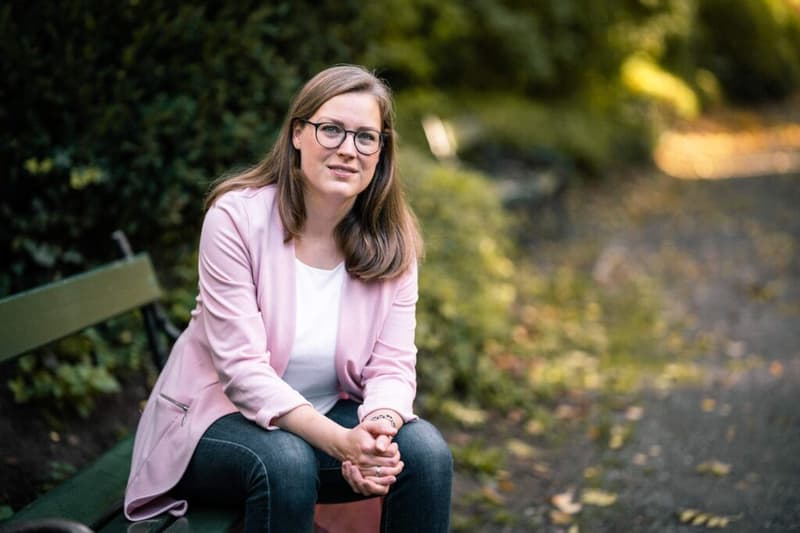
Friends, it's so good that we're finally talking more about subjects that used to be taboo, like infertility and the longing for a child that doesn't come. We're swapping stories and looking for allies. Verena Teke has dedicated a novel to the topic to break the silence around it. It's called “Unter anderen Umständen” (literally “under other circumstances,” an old-fashioned German way of saying a woman is expecting), and its main character asks the question of all questions: What if I never get pregnant? Here, Verena shares her own very personal story.
In my early twenties, I went to see my OB-GYN. My irregular periods and the pain that came with them were wearing me down more and more. The pain often radiated for weeks from my lower abdomen into my back. I couldn't sleep at night because I didn't know how to lie down.
During the exam, the doctor mentioned, almost in passing, that it would be difficult for me to get pregnant naturally. In the same breath, she said, almost like an invitation, that a pregnancy could change my whole hormone balance again, and that afterward the problems I was having might be gone. All of it sounded vague, as if the whole thing were very strange.
I left the office with no solution for the pain I was in, but with one hope to hold on to: that it might get better after a pregnancy.
But what if I couldn't have a baby?
A few more years went by before I found myself in the waiting room of a fertility clinic. Every single seat was taken! And for the first time since that OB-GYN appointment, I thought: I'm not the only one with this problem!
In the years before that, I had felt alone. Alone with the worry that I might never have a child, even though I wanted one so much. Alone with the feeling that something was wrong with me, that I just wasn't “working” the way I should.
Wanting a baby: I'm not the only one
And yet, as I know now, nearly one in ten couples in Germany is unintentionally childless. Even though reproductive medicine is booming and infertility gets talked about more and more, women, and the problems the treatments cause, mostly still go unseen. Advice from the people around us, like “You just need to relax!” or “Why don't you two take a vacation?”, makes a woman feel like it's her fault.
We talk far too little about the physical and emotional toll fertility treatment takes on women, often for years, and let's not forget how much time and money this “journey” swallows up. Schedules, cycle monitoring, hormone shots, and medications run your daily life. Cycle after cycle, hope, joy, and suspense alternate with disappointment and loss.
It's a constant emotional roller coaster, with the suffocating feeling that time is running out. Immense pressure to succeed. The goal is all that counts, and the road to get there is something you simply have to endure. Women put their own bodies, their pain, side effects, fears, and worries, completely behind the goal of getting pregnant.
And what if the words that would set you free, “Congratulations, you're pregnant!”, never come?
Infertility is still a huge taboo and can be incredibly lonely. Society doesn't see it, and awareness is missing.
For a long time, I didn't dare to talk about my fear that I might not be able to have a child either.
“I feel so alone in all this crap!” says the main character of my novel “Unter anderen Umständen,” which came out this year from Kunstmann Verlag.
The story I tell is my wish to talk honestly and authentically about fertility treatment, to show the pain, and still be funny and comforting, to create some understanding for those “other circumstances.”
It's also an encouragement to all women to talk about what they've been through. Motherhood doesn't begin only when a child is born. What do we need to feel seen for everything we go through on the way to a child? What kind of support does society need to offer? Why is there less research in the areas of medicine that affect only women? What was missing for you during your fertility treatment? What did you wish you'd gotten from your friends, your relatives, your partner?
So that women are seen, with kids or without!
________________________________________________________________________________________________________________

Book: Unter anderen Umständen
After a failed relationship, Hanna, in her mid-thirties, escapes to Berlin. All signs point to a fresh start. She meets Taner, who really does want the same thing she does: a baby. But two years later, Hanna still isn't pregnant.
Optimistic at first, the couple turns to a fertility clinic for help. But while everyone around them gets pregnant without any trouble, Hanna, cycle after cycle, gets pulled deeper into the machinery of reproductive medicine. She finds herself facing appointment schedules, hormone shots, and what they do to her body. Their relationship starts to crack, and Hanna loses more and more of her courage and her nerves, when all she's supposed to do is one thing: stay relaxed.
Verena Teke tells the story of nine months of hoping and fearing, of shattered dreams and the harsh reality of infertility, of “other circumstances” that are sad, painful, absurd, and often funny all at once.
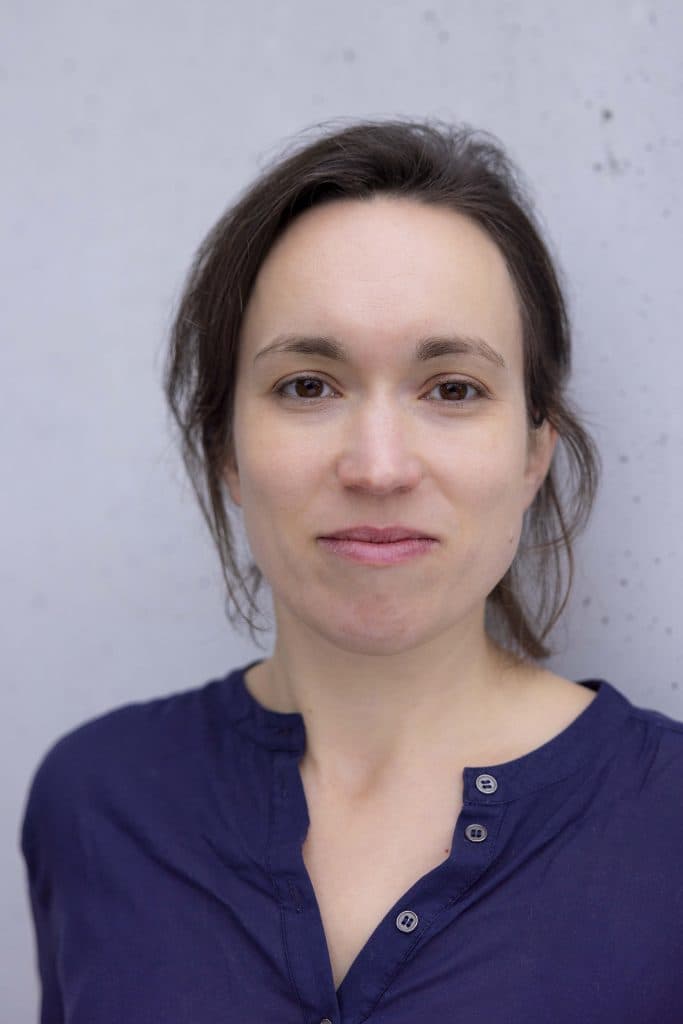
Verena Teke, born in 1985 in Stuttgart, studied theater, film, and television studies and German literature, and worked in the theater. She lives with her family in Berlin.
This story first appeared in German on StadtLandMama.