We Couldn't Have a Baby, So We Took in Two Kids
Her dreams of a nursery vanished overnight. Then long walks, honest talks, and the right counselor showed her a path she hadn't imagined.
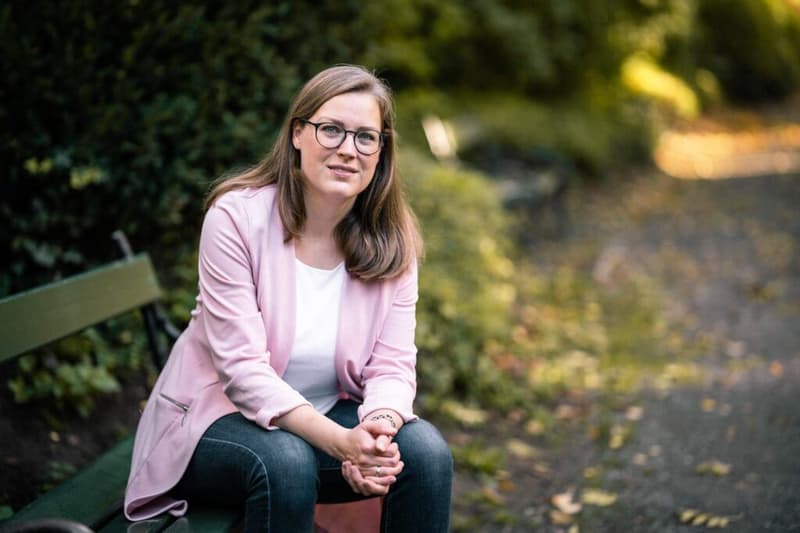
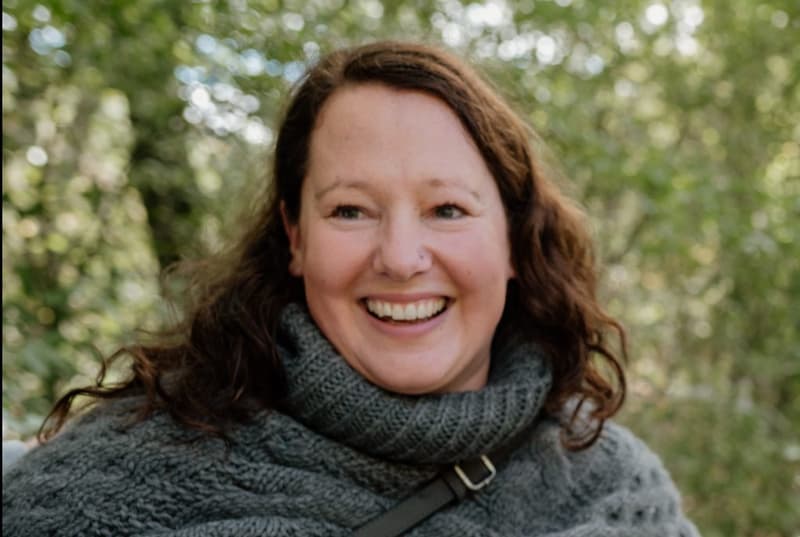
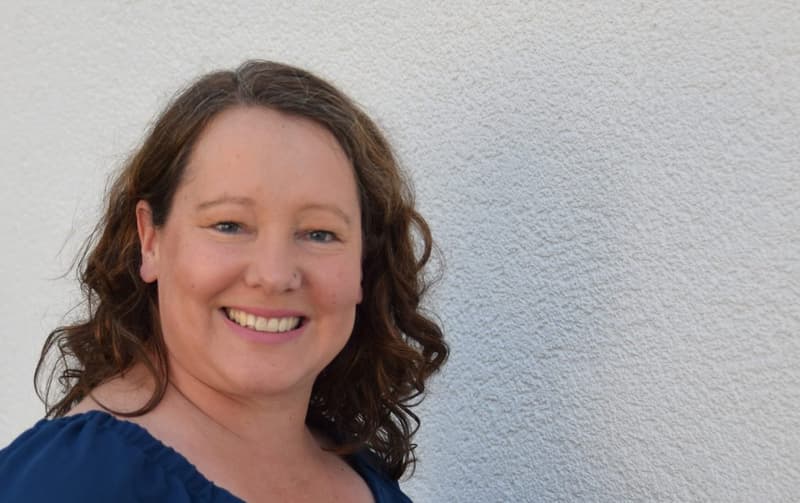
Hi friends, struggling to have a baby can take a heavy emotional toll on couples. Feelings like sadness, anger, speechlessness, or guilt often come up, and they can affect the relationship, too. Rebecca Ostermann knows this firsthand: the doubts, the hope, the emotional roller coaster. Great counseling helped her and her family find a way through. She now has two children who call her Mom. And she now offers infertility counseling herself.
Thank you for sharing your story with us today. Maybe you could start by telling us a little about yourself and your husband.
My husband and I have been together for over 27 years. We've known each other since we were in school, so we basically grew up together. Even back then, we shared our lives and did lots of fun things together. We traveled a lot, planned trips, saw friends, went out to eat and to concerts, and just enjoyed life. All of that brought us very close and made our relationship stronger over the years.
We got married in 2008, a day I'll never forget. Soon after, we wanted to start our family. I dreamed of two kids, he dreamed of three. We always pictured what it would be like to walk into the nursery in the morning and see a little smile, or to watch those first steps.
When did you realize that having children of your own wasn't going to be possible?
After about two years of hoping and waiting, it became clear to us: we would not be able to have biological children. Our world fell apart, for both of us. All the pictures of the future we'd had in our heads, holding our baby, hearing first words, setting up the nursery, were suddenly impossible overnight. I cried a lot and was unbelievably sad. Everywhere I looked there were happy families, pregnant women, or little kids. I was constantly reminded of what we couldn't have.
How was that for your relationship?
My husband was my biggest support. He listened to me and, most of all, he was simply there. And it went both ways. During that time, we got into taking walks. Long ones, lots of fresh air, and lots and lots of talking. Outside, walking side by side, it was often easier to talk about what was going on inside us.
You then looked for professional help as well. How did that come about?
At first, we went to a fertility clinic. The clinic was medically excellent, sure, but emotionally we didn't feel seen in the counseling they offered. The conversations were very focused on certain medical methods, the ones the clinic profits from. Other perspectives or neutral advice hardly played a role. It felt like we were left on our own with all our feelings and doubts.
So how did you find systemic counseling?
By chance, I came across a family systems therapist in our area who specialized in, among other things, couples dealing with infertility. She had experienced herself that there's hardly any emotional support during that phase, and she wanted to fill exactly that gap. Right from the first conversation, I sensed it: here was someone who really listened, without pushing us in any direction. It was a safe space where we could voice our grief, our anger, our longing, without having to justify ourselves.
How exactly did the counseling help you?
She showed us that we could build a new way of life, even if our original wish for a child wasn't going to come true. We were able to think honestly about a life without biological children and about what would make us happy anyway. Systemic counseling turned our attention to what holds us up as a couple, what connects us, and what strengths we have.
At the same time, it helped us think about new possibilities, without pressure and without a set direction. It was mostly about solutions and the resources we already had. We learned to talk to each other in a different way and slowly started to see new paths, like thinking about taking in children who aren't biologically ours. Those conversations made us stronger emotionally and deepened our relationship.
That sounds like a long, intense process.
Yes, it was anything but easy. First we had to go through the grief, lots of crying and lots of talking. There were moments when I felt like the world around us just kept on turning and we were being left behind. But that very phase made us stronger. We learned to accept the sadness, to hold each other up, and to ask ourselves: “What do we need in order to have a full life anyway?”
And how did you come to the decision to take in children?
We took this step very carefully. First, we took time to really understand what we wanted, what we felt ready for, and what makes a family a family for us. Then we made a conscious decision: we wanted to share our love and our home with children, even if they're not biologically ours. Today we have two wonderful kids. It's hard to put into words how happy it makes us to see their little personalities every day.
What role did infertility counseling play on this path?
A very big one. It helped us express our emotions, strengthen our relationship, and see new paths, by widening our view instead of stopping at what wasn't possible. That was exactly what mattered to us. We finally had a space where we could talk honestly about our feelings without being judged or pushed toward particular options.
And how did it end up happening that you now offer support to couples going through this yourself?
While we were still in our own counseling, the thought came to me: “I'd like to do this, too.” This kind of work, opening up new perspectives and options just by asking questions, impressed me so much that the wish kept growing. Three years ago, I finally acted on it and signed up for training as a systemic counselor. Today I counsel couples struggling with infertility, along with individuals and families. It's incredibly fulfilling work.
What message would you like to give other couples?
It's completely normal to grieve deeply, to be angry, or to feel alone. But there are ways to find new perspectives, whether through adoption, foster children, or other kinds of families. Counseling for infertility can be a safe, neutral place where you can talk honestly about your feelings without being pushed in any direction.
For us, that made a decisive difference, and that's exactly the experience I can pass on today. If this speaks to you, feel free to reach out, online or in person. You can contact me through my website. I offer a safe setting where you can feel understood and work out new perspectives together.
Thank you for being so open!
Thank you for letting me tell our story. I hope other couples feel this: you're not alone, there is support, there are paths, and there is hope. You just have to take that first step, and it might be the start of something new.
This story first appeared in German on StadtLandMama.