When Your Kid Says “I’m Just Bad at Math”
Heads-up: This post contains affiliate links. If you buy something through them, we may earn a small commission at no extra cost to you. As an Amazon Associate, we earn from qualifying purchases.
One bad test, and suddenly your kid sounds like they’ve passed a final verdict on themselves. Our well-meant comfort may be making it worse.
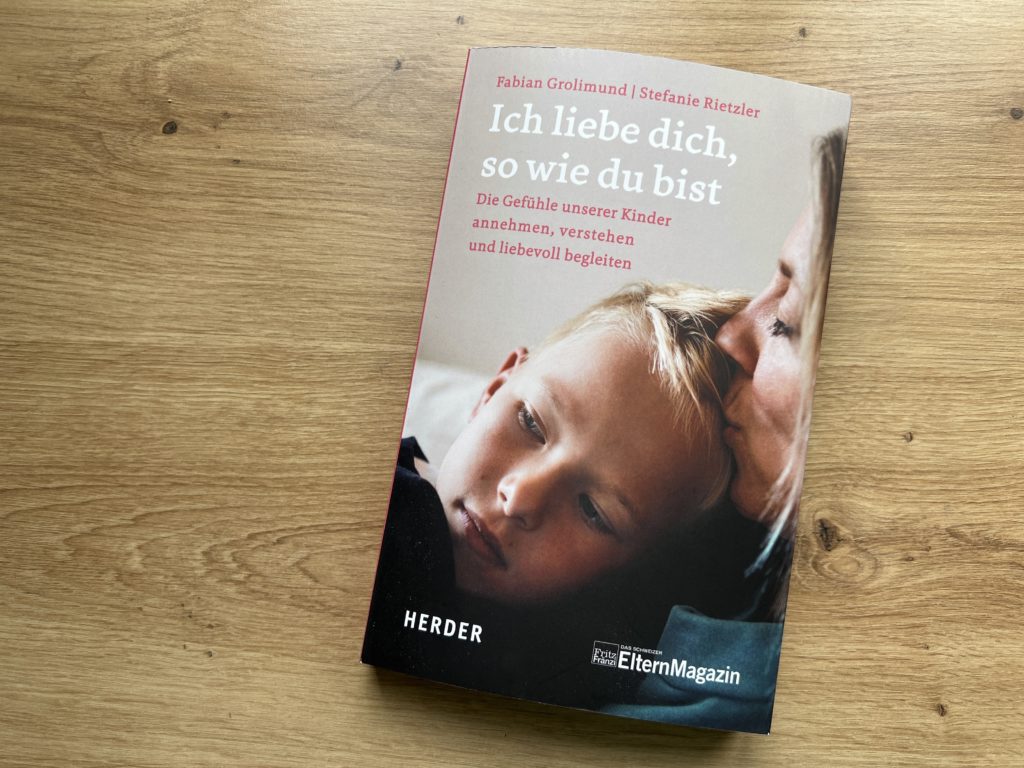
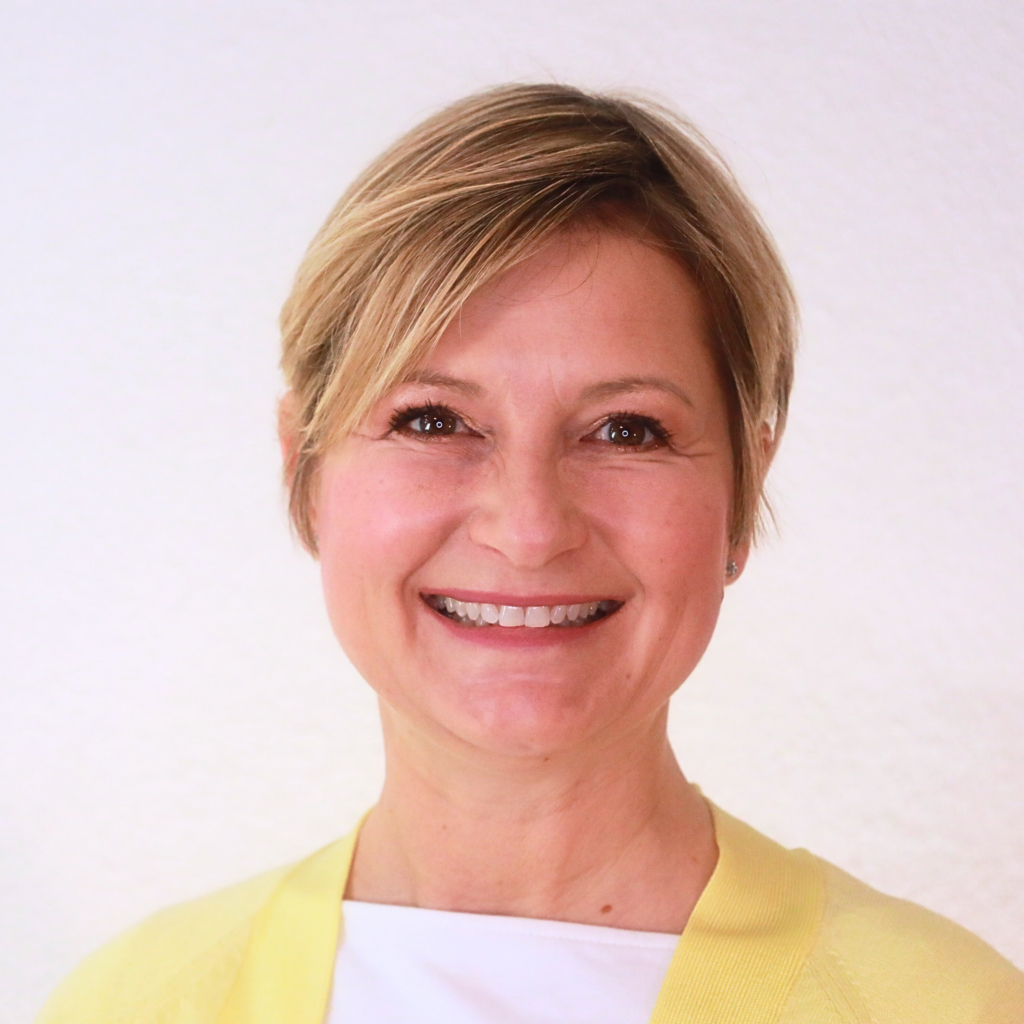
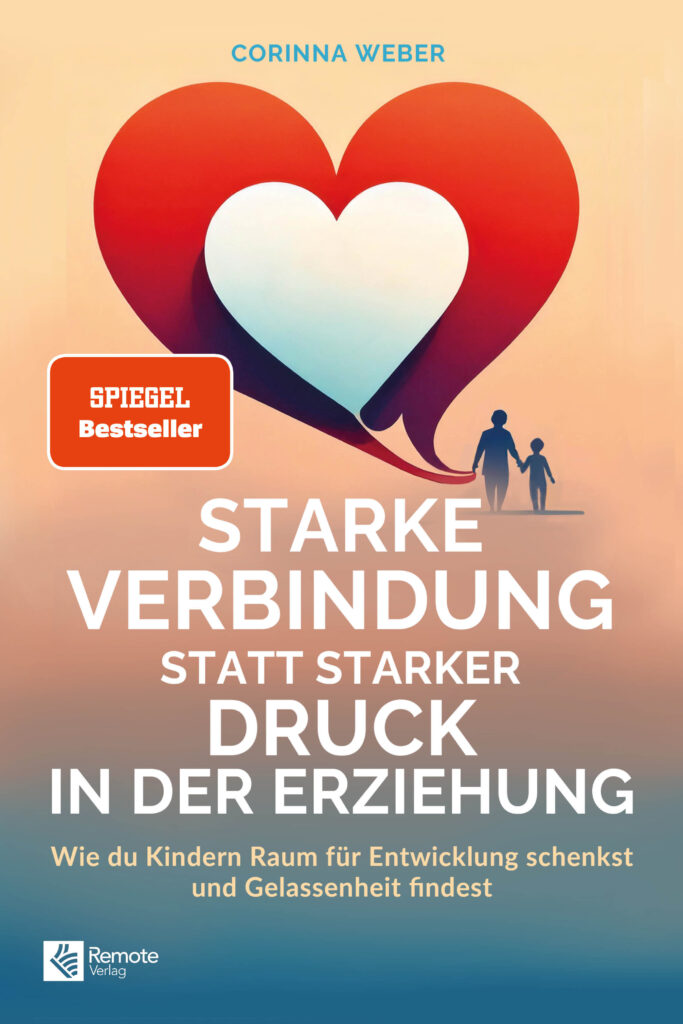
Hi friends, today we’re looking at how many beliefs already shape our kids, together with Corinna Weber. As a spiritual child and family coach, she gets a lot of insight into these early convictions. You might know her from her book “Starke Verbindung statt starker Druck in der Erziehung” (“Strong Connection Instead of Strong Pressure in Parenting”), which made the SPIEGEL bestseller list in Germany last year.
In her work, she helps kids build confidence and inner strength, without squeezing them into a system that often doesn’t fit them. Corinna believes kids and parents should be allowed to relearn how to listen to their inner voice and their intuition.
She’s convinced that “everything we need, we already carry inside us.” Kids lose that connection to themselves as soon as they stop feeling safe or feel they can’t be themselves. She wrote a guest post for us.
Beliefs in Childhood
“I’m just bad at math.” “I’m a loser.” “Everybody else is better than me.” When our kids say things like this, it hits us right in the heart. A minute ago, your child was “only” a little frustrated because a test didn’t go well or something didn’t work out at soccer practice. And suddenly it sounds like they’ve passed a final, negative verdict on themselves. A lot of parents wonder how to respond.
Kids Aren’t Born With a Fixed Self-Image
The picture kids have of themselves develops bit by bit. It grows out of their experiences and out of the feedback from the people who matter most to them. From that come beliefs, inner convictions that either strengthen kids or hold them back. These beliefs shape how kids think about themselves and how they handle challenges.
When a child keeps experiencing success, they develop trust in their own abilities. But if they turn individual failures into general statements about themselves, negative beliefs can take root. “The math test was hard today” becomes “I’m bad at math.” The more often kids think or hear thoughts like that, the more deeply they sink in, and at some point they start to feel like facts.
Why Well-Meaning Words Can Backfire
When a child talks badly about themselves, most of us want to comfort them and take the pressure off. Your child comes home sad and tells you about a bad math test, and many of us automatically say, “Oh, I was never good at math either.”
What’s meant to connect can accidentally send a different message. Suddenly a bad math test turns into a belief. The child no longer files it away as “The test was hard,” but as “I’m bad at math.” With every new difficult test, that belief feels a little bit truer.
How Can I Respond as a Parent?
It’s more helpful not to turn a single experience into a general statement about ability. One bad test says nothing about what a child can or can’t do in the big picture. It describes one moment, that’s all. At the same time, kids need to feel they’re not alone in their disappointment.
Statements like “That feels really lousy right now, huh?” or “I can see you’re disappointed” take your child’s feelings seriously. When kids feel seen, it’s easier for them to look ahead again. Only then is there room for encouragement: “It didn’t work out today. Let’s think together about what could help you next time.”
Even small changes in wording can make a big difference. “I can’t do this” becomes “You can’t do it yet.” “I’m bad at math” becomes “Math is still hard for you right now.” The difference may seem small. In reality, it changes how the situation looks at a fundamental level. The problem is no longer a statement about your child’s abilities but a learning process. And whatever can be learned is allowed to change.
How Parents Can Spot Negative Beliefs

Some kids say their inner convictions out loud: “I’m stupid.” Or: “I’ll never be able to do it anyway.” Others show their doubts more indirectly. They stop raising their hand even though they know the answer. All of a sudden they don’t want to go to the activity they actually love. Or they give up after just a few minutes. Behind behavior like this, there may be beliefs like “I can’t do it anyway” or “I’m not good enough for this.”
In moments like these, it often helps to get curious and ask questions instead of immediately reassuring or contradicting. Questions like “What makes you believe that?”, “Have there been times when it was different?” or “Are you totally sure it’s always like that?” help kids question their own thoughts. Because a belief isn’t the truth. It’s a conviction, and convictions can change.
Kids Also Learn From What We Say About Ourselves
It’s not just the words we aim at our kids that shape their self-image. The things we say about ourselves stick, too. If parents often say things like “I was always bad at math” or “I’m just not athletic,” kids often pick up, without realizing it, the message that certain abilities can’t be changed.
So it’s worth asking yourself an honest question: “What beliefs about myself am I carrying around? And which of them do I not want to pass on to my child?”
It’s Not Perfection That Makes Kids Strong, It’s Trust
No parent will always find the right words. And we don’t have to. What matters much more is the attitude behind our reactions. Kids need adults who trust them to keep growing and who don’t reduce them to individual experiences.
A stable self-image grows when kids experience this: a failure says nothing about who I am or what I’m capable of in general. It’s one part of my path, and I’m allowed to grow from it.
This story first appeared in German on StadtLandMama.