Malignant Brain Tumor at 12: His Dad Says, "David Wants to Live"
His son kept throwing up in the mornings, and no doctor could say why. Stefan tells us what came next and how David comforted them.
Hi, everyone. When Stefan messaged us on Instagram, here's what he wrote: "Hello, I'm David's dad. He's fighting a brain tumor. Maybe you could share his story. <3" Of course we wrote back right away. We wanted to know what his family is going through right now, and how the diagnosis of a malignant brain tumor has changed everything for them.
David was born with neurofibromatosis type 1 (NF1). He laughs, he plays, he fights with his brother, and he argues about why he absolutely has to stay up later. If you saw him, you'd hardly believe what he goes through every day. His days are made up of surgeries, radiation, chemotherapy, countless doctor visits and conversations, new test results, flickers of hope, and sometimes big fears.
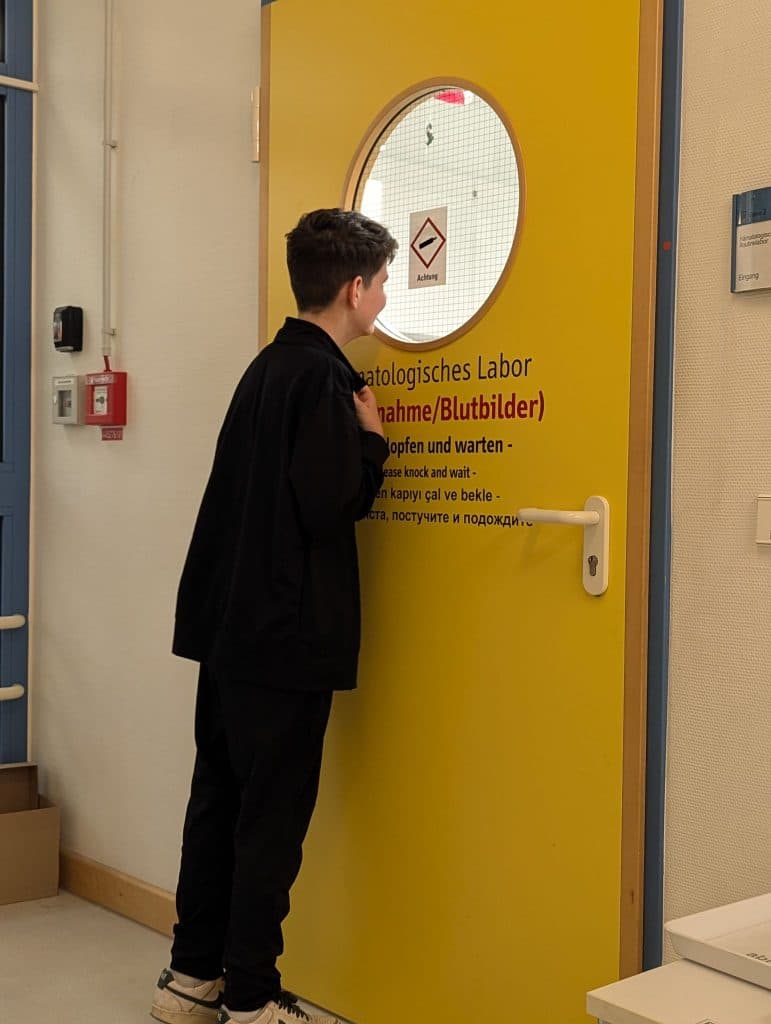
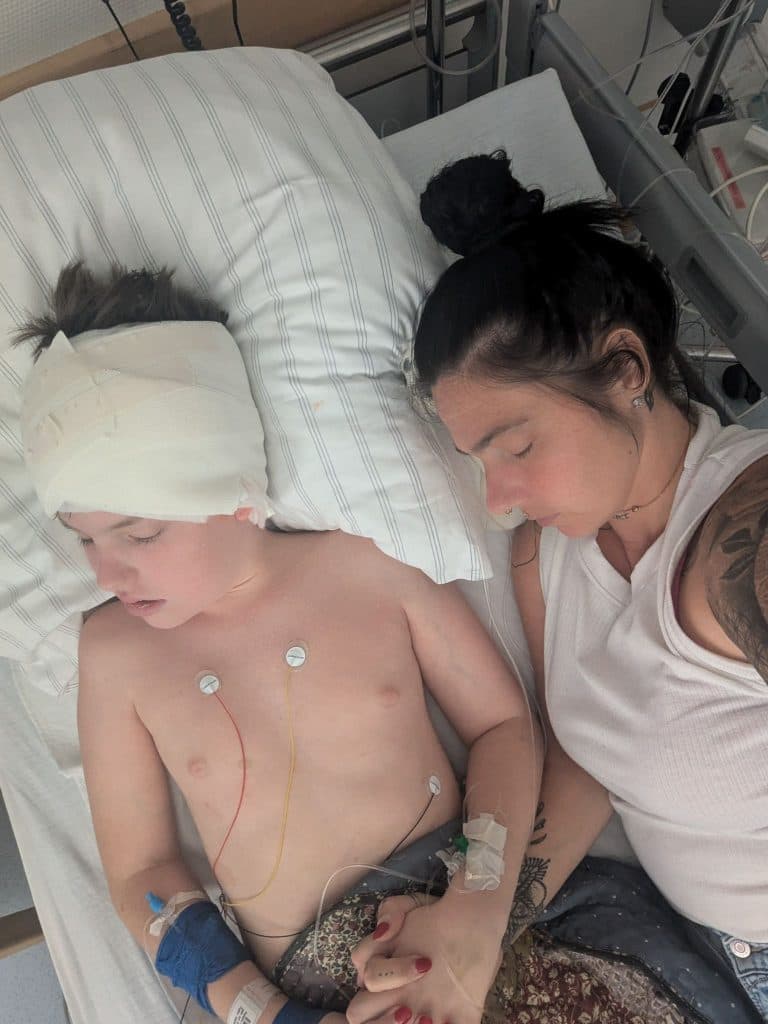
David has already had two surgeries and two radiation treatments. Despite all the treatments, the tumor is still active. But giving up is not an option for his family. While David tries to just be a kid, his parents keep fighting for his future behind the scenes, every single day. They're in contact with doctors and research teams around the world, they've had David's tumor tissue analyzed, and they're trying to find new approaches to treatment.
Many of the additional treatments, tests, and international second opinions have to be paid for out of pocket. So does the travel to get to them. They do it anyway, to give their David every possible chance. They keep fighting tirelessly, and they've now started a fundraiser to help cover the enormous costs. His dad, Stefan, is currently caring for him full time.
Stefan, can you quickly introduce your family? Who's part of it, and how old is everyone?
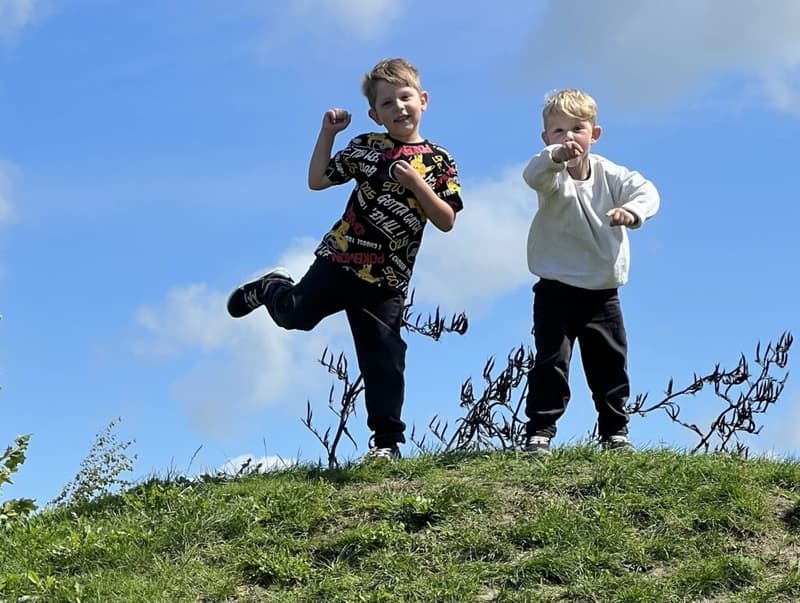
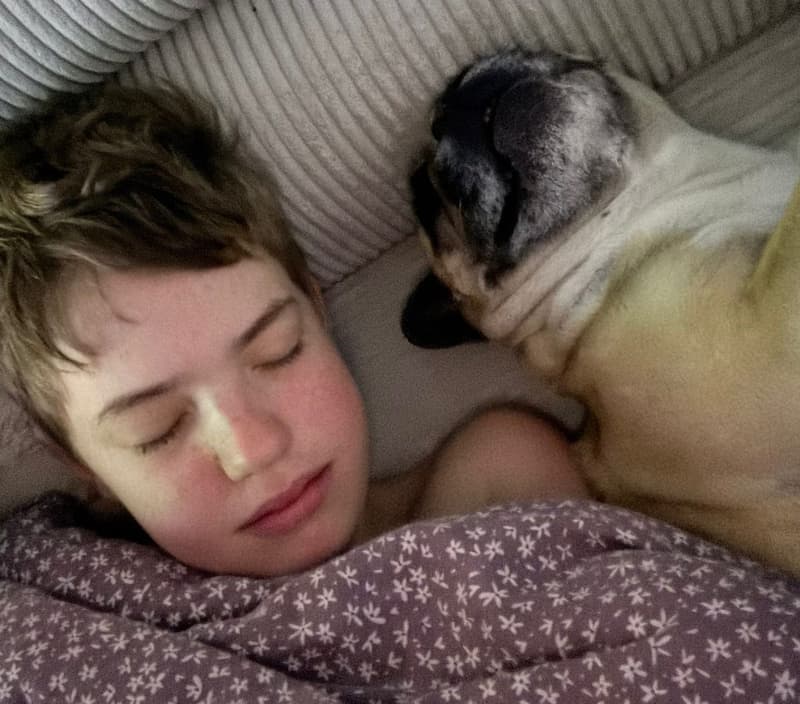
Our family is my wife, Sandra, our two sons, Ben and David, and me. Ben is 14 and David's big brother. David is 12. The two of them have a really special bond. Ben looks out for his little brother incredibly well. We also have two dogs, Maya and Jack. They're an important part of everyday life for all of us, and even in hard times they keep giving us small moments of joy.
When you became a father, what did you picture family life would be like?
When I became a father, I pictured a completely normal family life. Outings together, school, friends, maybe the occasional fight over homework, all the little things that make up everyday life. I never could have imagined that our lives would one day be so dominated by hospital visits and treatments.
Up until when did you have the family life you'd imagined?
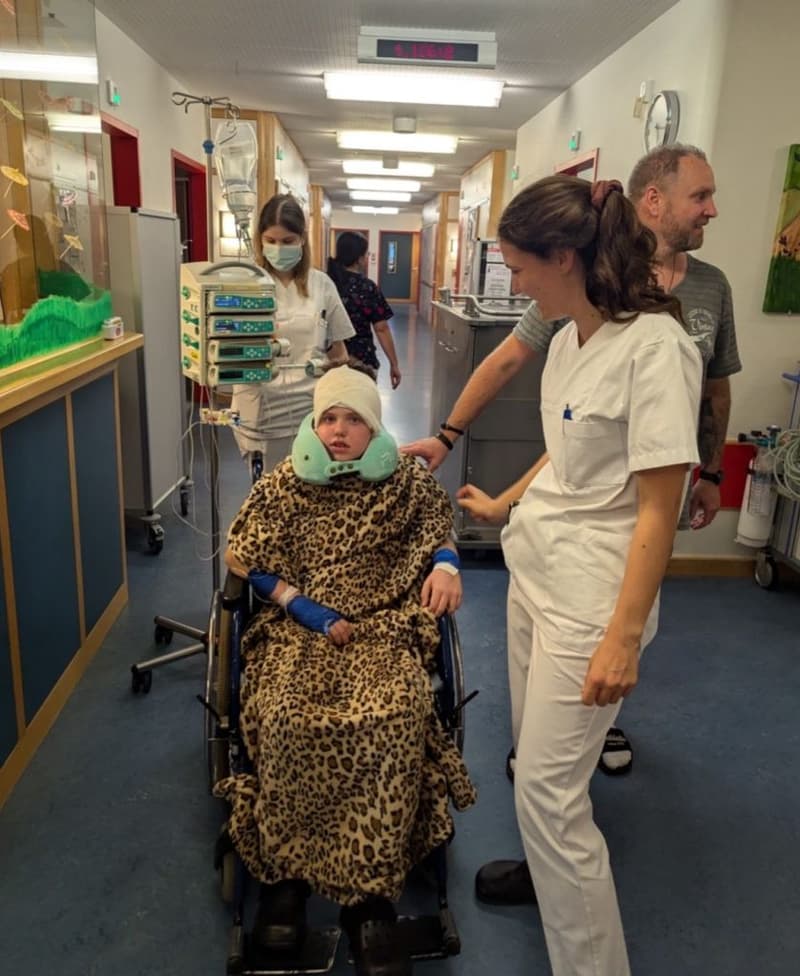
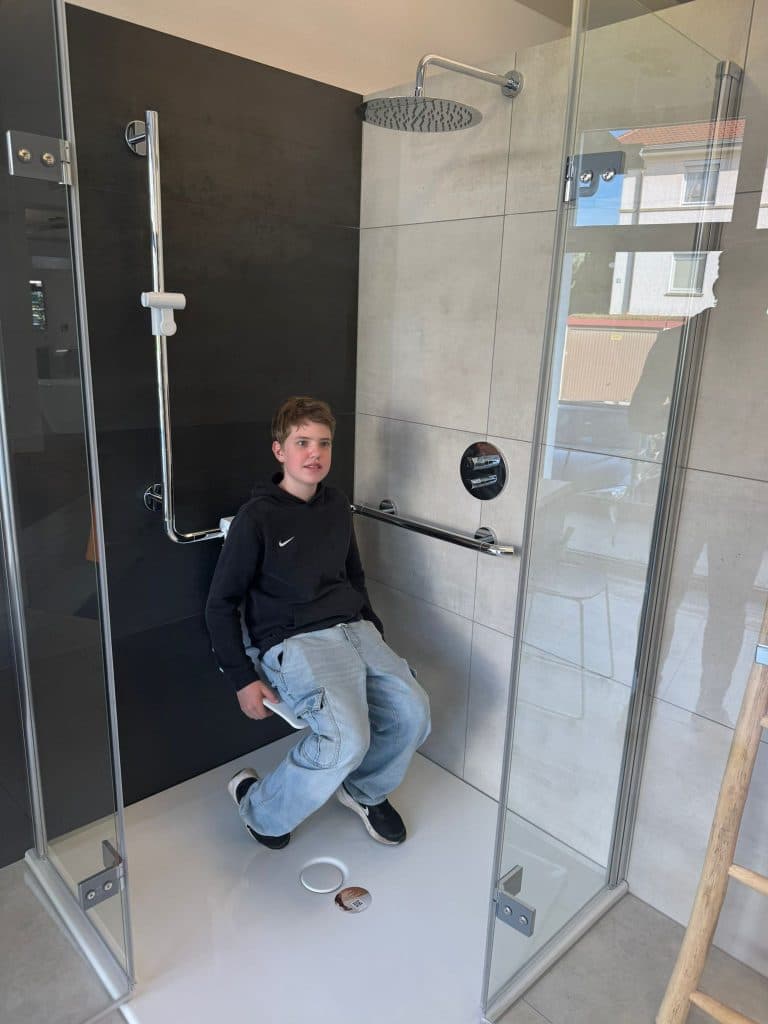
Really, until August 2024. Up to then, even with David's NF1 diagnosis, we had a relatively normal family life. The genetic disorder was found when David was still a toddler, so we always knew we had to stay alert. Still, for many years our days were filled with ordinary things: school, friends, family, and time together. Of course the NF1 diagnosis was always there in the background, but for a long time David was able to live a completely normal life. It wasn't until August 2024 that our lives suddenly changed so drastically.
When did you first notice that something was wrong with David's health, and how?
We realized something was wrong in early 2024. David kept having severe nausea in the mornings and often had to throw up. On top of that, he kept getting headaches. As a parent, at some point you just know that something is different from usual. That feeling wouldn't let go of us.
We went to different doctors and clinics to find out what was behind it. But at first nobody could find anything or really explain to us why David was feeling so bad. That time was very hard on us, because we could feel that something was wrong with our son, but for a long time we didn't get a clear answer.
Tell us about David. What makes him laugh, what does he love, how would you describe his personality?
David loves the things a lot of boys his age love. He likes playing soccer, he likes gaming, and he likes spending time with friends. But he has another big passion too: he loves to cook. He has fun trying new things and making food for other people.
As a person, David is an incredibly loving and sensitive boy. He also has a strength that amazes us every day. He loves to laugh, he has a great sense of humor, and even in difficult situations he manages to make other people smile. That's exactly what makes him so special to us.
At some point the words were "malignant brain tumor." When did you get the diagnosis, and what did it do to you?
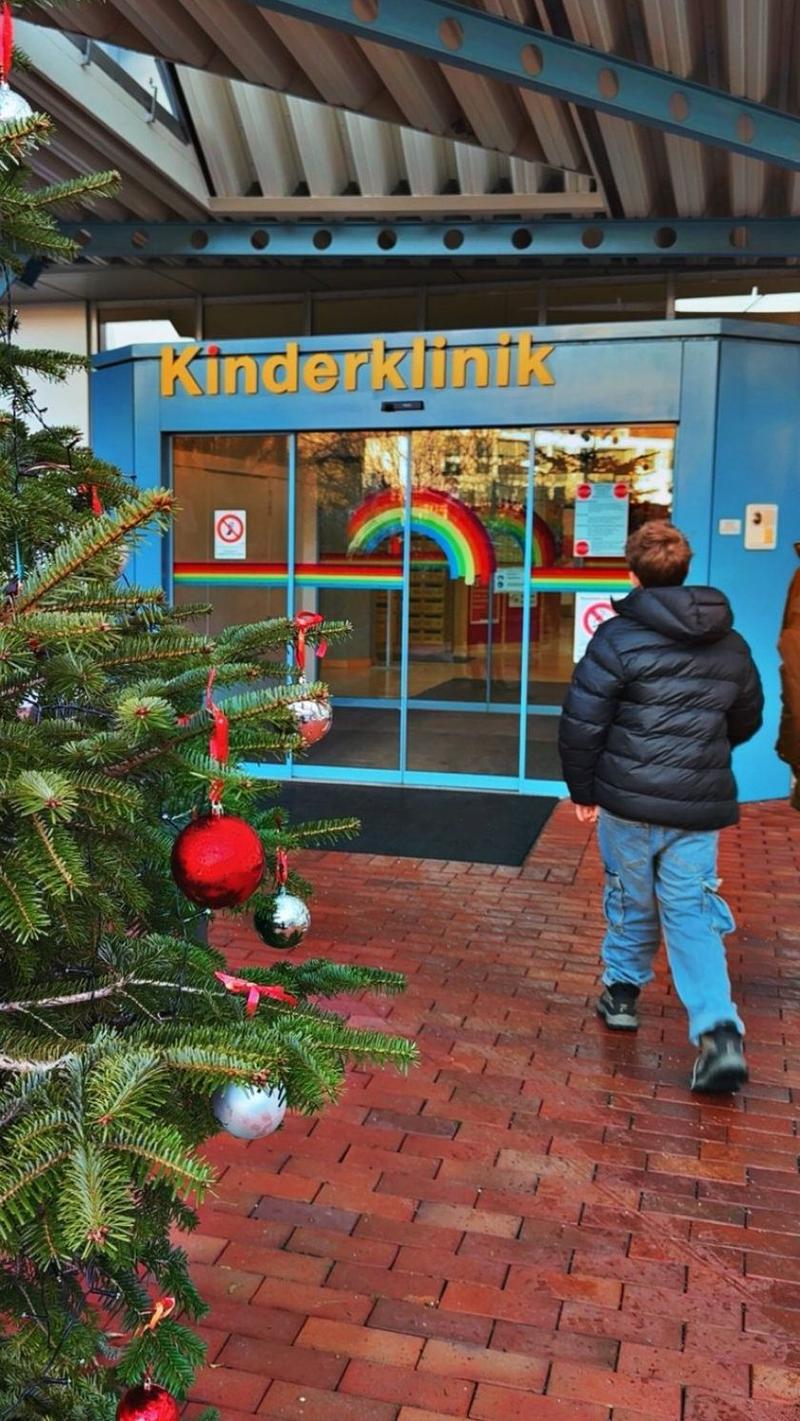
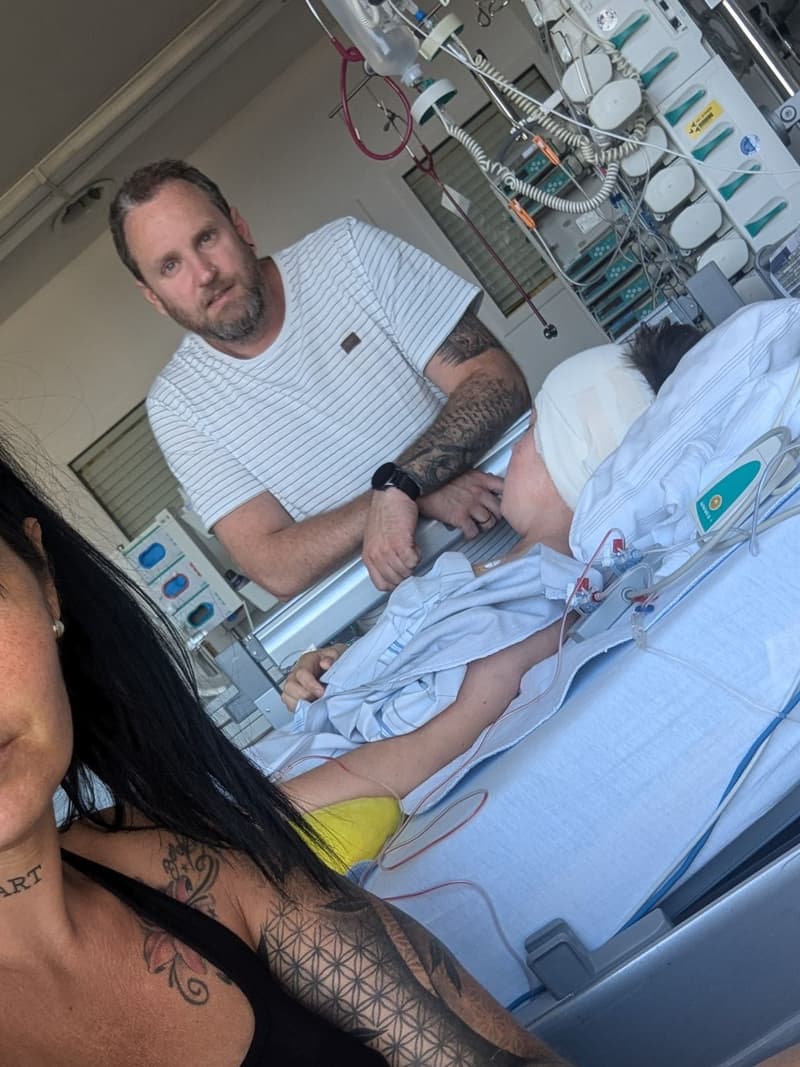
The diagnosis finally came in August 2024: David had a brain tumor, about 5 x 4.8 centimeters (roughly 2 x 1.9 inches). That moment completely pulled the ground out from under us. In a split second, everything changes. You hear the doctors' words, but at the same time it feels like the world around you has stopped. All you can think about is your child and how you can help him. It's a mix of fear, shock, and a strong urge to do everything possible so David has a chance.
You're now working incredibly hard to reach experts around the world so you can still help David somehow. Are you able to go to work, or when do you do all this?
When a recurrence was found in January, we both stayed home completely for a while. During that time, everything revolved around finding a way to help David. We spent night after night researching online, reading studies, and trying to get in touch with doctors and specialists in different countries. Since conventional medicine couldn't offer us any more treatment options at the time, we didn't want to leave anything untried.
Recently my wife started working again while I'm with David. I go with him to his appointments, organize tests, and try to give our days as much structure as I can. And at night, when things quiet down, we keep researching possible treatments and new approaches.
Some families describe it as working like a seesaw: sometimes one parent is doing okay while the other can't go on, and then it flips. Is that how it is for you, too?
Yes, that actually fits pretty well. There are days when one of us is stronger and catches the other. This situation often pushes us to our emotional limits. My wife is often the stronger one of the two of us. Over and over, she manages to hold on to hope and look ahead, even when it's hard. We try to support each other and remind ourselves that we're walking this road together. In the end, we're there for each other as a family, and that gives us strength.
What else helps you?
What helps us most right now is David's incredible strength and courage. From the very beginning, he has shown us again and again how strong he is. Honestly, from day one he hasn't shown any fear at all. Of course a lot of this is exhausting and hard on him, but he meets everything with a calm and bravery that keeps amazing us. That strength gives us strength, too. When we see how David handles it all, we know we have to keep fighting just the same.
Tell us about the last moment that really got to you, in the hospital or outside of it.
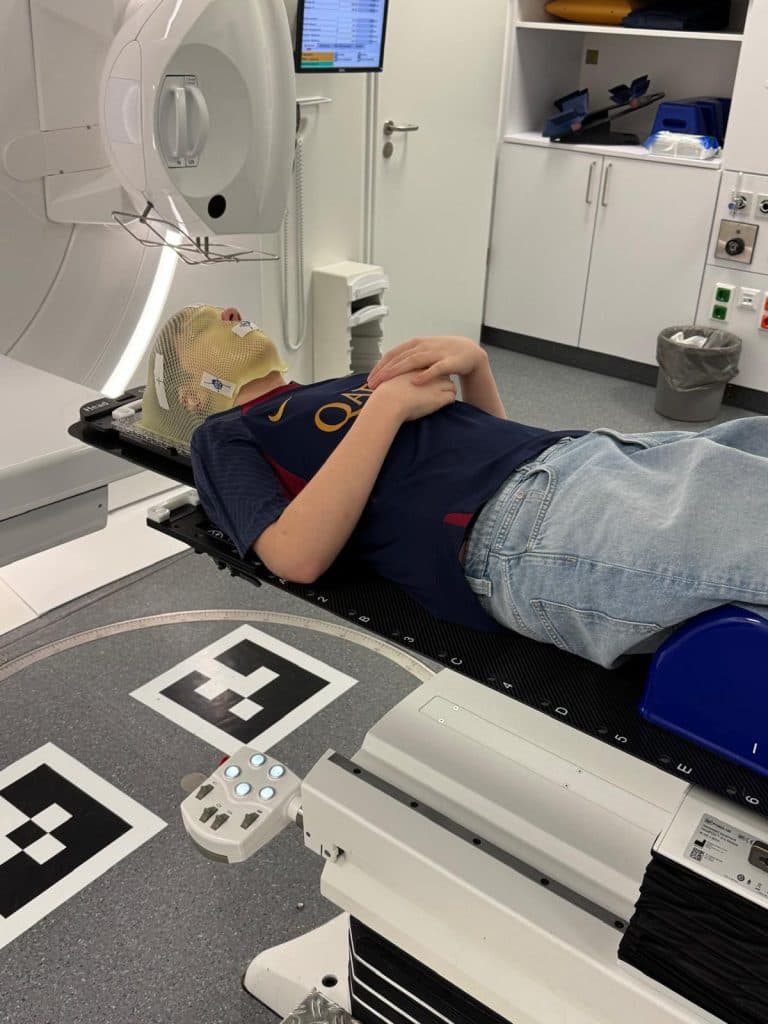
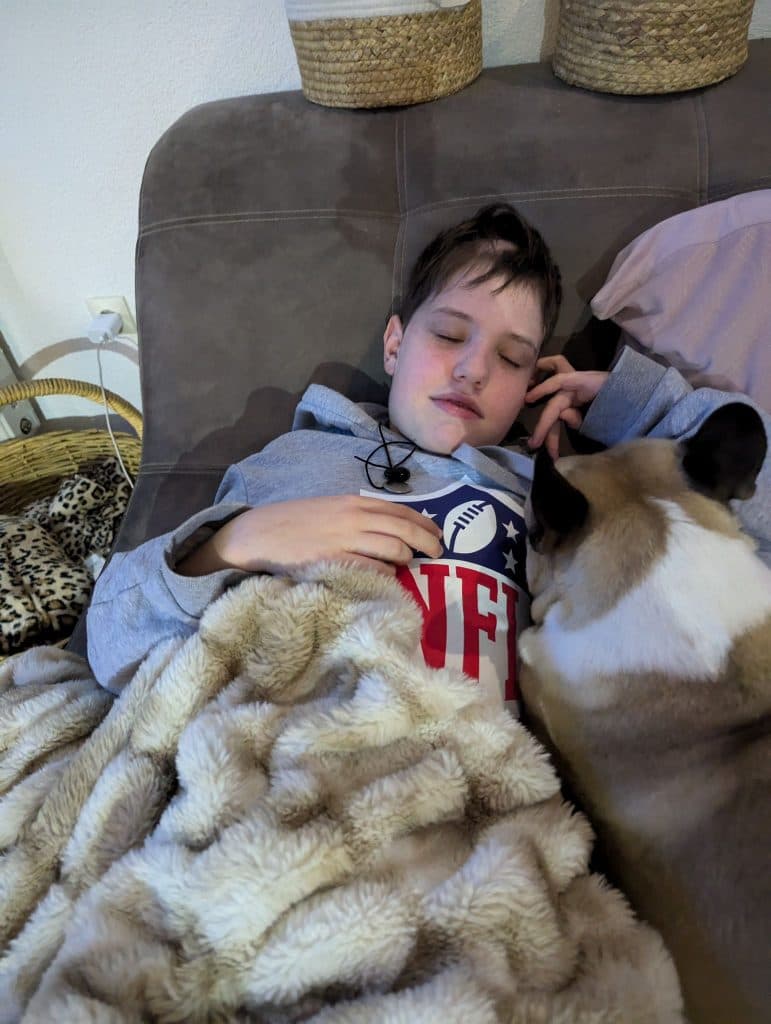
One very moving moment came after an MRI with results that, unfortunately, weren't good. As parents, that was incredibly hard for us to process. In that moment, it was actually David who comforted us. It just shows how unbelievably strong he is.
A completely different but equally touching moment came recently, when we went to a game over the weekend at the stadium of SC Freiburg, a German soccer club. Seeing that sparkle in David's eyes, that pure joy, was something really special for us. For a moment, everything else was forgotten, and he could just be a boy who loves soccer.
If you look ahead, very tentatively, to the near future, what do you wish for yourself and for your family?
Our biggest wish is that we can bring this monster in David's head to a standstill. That we find a way to keep it from growing, and that David gets the chance to simply live.
We wish for him a future with lots of beautiful moments, full of love, joy, and all the things that come with a normal life. That he can laugh, follow his interests, and simply live the life a 12-year-old boy deserves.
This story first appeared in German on StadtLandMama.