Dear readers, we have often reported on ADHD in childhood, but this reflective look by Ursula Frühe at life with her eldest son’s neurone storm, who is now an adult and independent, totally blew us away.
Please take the time to listen to this mum. What she’s been through and how she’s coped. What a story of hospitalisation, slipping and then getting back on track through sport and drama and people who never stopped believing in this special child.
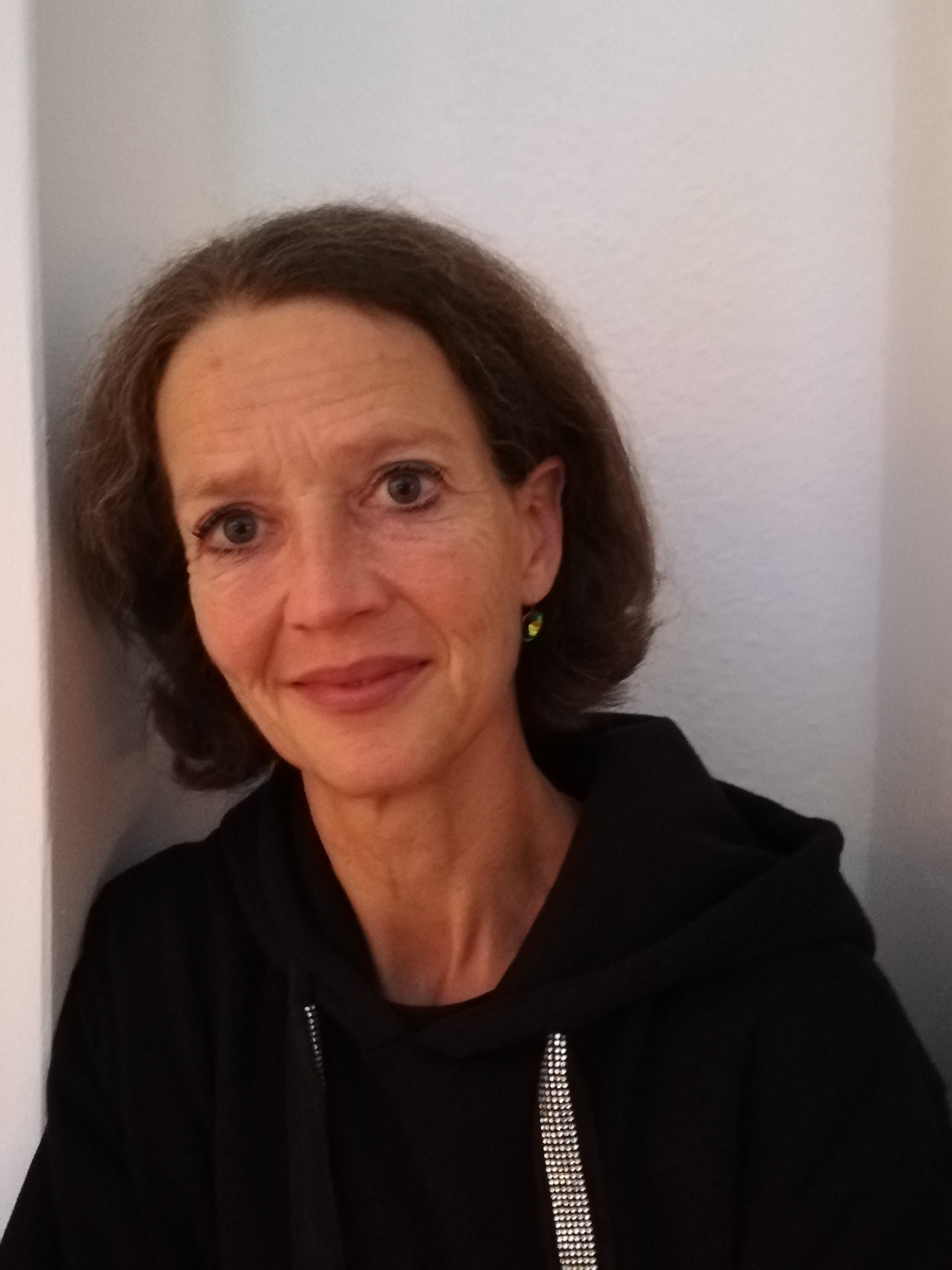
Dear Mrs Frühe, you have three children, one of whom was later diagnosed with ADHD, did you notice from the start that something was different about this child – and if so, what?
Our first child had a significant motor development delay from birth, for example, he didn’t learn to walk until he was 22 months old and his speech was also very delayed. At the same time, I had the feeling that he took in all environmental stimuli with incredibly alert eyes and a high level of sensitivity, but was not (yet) able to process them accordingly.
In the first year of his life, he had severe skin irritations, difficulties with feeding and was very jumpy. Now these are all rather unspecific things that don’t necessarily have to lead to a later ADHD diagnosis, so perhaps you can retrospectively make it up as you go along. What I find striking in retrospect is the high sensitivity to all kinds of sensory stimuli, including sounds, touch and smells, which in turn fits in with the typical sensory overload. Everything is perceived and felt more intensely.
Therefore, I would like to say right at the beginning that the word attention deficit does not fit our children at all. They are equipped with a different kind of attention that is less in demand these days and therefore seems to be deficient. Our third son is also affected and, of course, experience has helped: everything was clear to me even before he started school. However, the core symptoms are very different: while our older son was the inattentive and easily distracted type, the little one had a particularly difficult time due to his unrestrained impulses and emotions.
Take us back to a situation in which you thought: This far and no further. I’m not going to do this anymore…
„Up to here and no further?“…this happened mainly on holiday, when the child slept even worse than at home, ran away, refused to eat, put themselves in danger because they ran off to the beach on their own and you had to watch out every second. The classic: I was exhausted and in need of a rest myself and was looking forward to some time out. Dad would actually have time now too, but the child was glued to me.
I took years to realise that the very thing I enjoy on holiday, namely a completely different environment, is a huge challenge for the children, who are incredibly dependent on routines and structures. What I find relaxing is stressful for them: everything is different to at home. They don’t want to go to childcare, no wonder. But back then, these different needs naturally brought us to the brink.
Much later in our development, a completely different topic came up, which became even more explosive due to what I consider to be a completely misguided law: I’m absolutely „red“ when it comes to smoking weed, I have zero tolerance. I have a lot of sympathy for the desire to „finally have peace of mind“, but with this substance, which is incredibly dangerous for vulnerable brains: no thanks! I’m not going along with that!Have you also doubted yourself and your parenting skills?
Doubts about my parenting skills were the norm, so to speak, and the gnawing questions about „guilt“, about what caused the child’s difficulties in relation to their environment, are still kept simmering in society. Often enough, outsiders subliminally suggest that the child’s (mis)behaviour is possibly the result of my excessive demands.
The complicated thing is that yes, we were often overwhelmed. But as a reaction to the child’s behaviour that it had already brought with it into this world, not the other way around. Ultimately, it was also the doubts that I tried to get to the bottom of productively through writing. So indirectly, they were also good for something…
At some point, you had an „inner near-breakdown“, as you put it. How did this manifest itself?
The „near-breakdown“ manifested itself in the fact that sometimes in the morning I didn’t know how I was going to get through another day… in an absolute lack of energy that triggered a feeling of heaviness throughout my body. I could only resist the impulse to lie down with the last remnants of self-discipline.
I wanted to withdraw from the world and this incredibly stressful life, give up responsibility, stop being there. It was all too much, even the normal life with my own work, the whole household, paying bills, meeting deadlines, every kind of demand felt too much. This included a typical thin-skinnedness, instability, lots of crying, for no reason to others. Reactive fatigue depression fits the bill. Nothing is fun, brings joy or lightness anymore.
The outburst made you realise crystal clear: „We can’t go on like this! We have two other children and I still have a life of my own.“ What happened next with this realisation
?
The most important realisation was: I now need help myself, it’s not nice to have, but essential. I have to look after myself now, otherwise the whole family system will collapse. One part is the obligation to others, the other is the harder part: I must also look after myself because I’m not just a mum, I’m a person in my own right who can do well. This included the whole confrontation with the old role models, as I describe in the book.
That was a lot of work that I wouldn’t have been able to do without professional help. It is also a decision to say: only I myself can change the pattern of self-exploitation. Then I continued with lots of tiny little steps towards change, one initial impulse was a mother-child programme with my youngest. It was wonderful (I think these cures sometimes have a bad reputation, and wrongly so), but it can’t work miracles in three weeks, it can only be a call to permanently incorporate more self-care into everyday life.
Your son was also hospitalised at some point, what preceded that?
The inpatient hospital stay was preceded by self-harming behaviour and verbally expressed suicidal thoughts. In addition, a shattering crisis talk with the outpatient youth psychotherapist who clearly stated that a change of strategy was necessary. Until then, our son had not wanted to go to a clinic and we had of course respected his wishes. You can’t drag your child into a clinic against his will, the decision to seek help comes from him alone. That was the hardest part: enduring this powerlessness.
In the clinic, your son understood that ADHD is part of him, but that it doesn’t completely define him. That he is more than his occasional messy head and that this does not have to prevent him from leading a good life. What else did he learn?
He learnt that what he had experienced as terrible loneliness, being there as an outsider, also made him strong at the same time. Unique anyway. That his special mindset with its high sensitivity makes him a great observer of the world and other people, who perceives life more intensely. This is more strenuous, but not worse. He learnt to stop comparing himself to others.
He learnt that it is very much in his own hands to have access to his partially ingenious brain: what is harming me? Which lifestyle habits trigger me in the wrong direction, which ones are good for me? He learnt self-care and autonomy. He learnt to trust himself because he discovered for the first time that he could rely on his brain functions. And, of course, what we all learn with more or less effort: self-acceptance! I „only“ have this one body, this one brain, I have to deal with that in this life and it’s nicer to do so in peace with myself.
Your son also had a lot of support from an empathetic friend and two teachers, who believed he could make a comeback to school. Tell me about it
.
It’s important to remember that the juvenile crisis coincided with the pandemic, or rather that the severity of the crisis was triggered in the first place by the isolation at home and the loss of all learned compensations. The problem was not the original ADHD, but the comorbid symptoms that had „sat on top“ of it, such as depression. There was no face to face contact with the teachers at the time. When it became clear that school was out of the question and a cut was necessary, everything was wide open: no one knew whether Lukas would ever decide to return after a break, repeat a year, make another attempt at the Abitur.
Even after the lockdown, the guidance counsellor, with the head in the background, contacted us several times, always respectfully asking if this was desirable. In other words, the contact and the bond with the school was never broken and that helped enormously in taking the step back. They also sent a clear message: we have confidence in you, we think you’re a smart guy, we believe you can do it. That’s completely different to what your own parents say.
This statement carries weight. It sounds pathetic, but it’s true: they believed in him. And let him feel it personally. We parents never doubted that our son was highly intelligent anyway (see his alert little eyes as a baby), but we suffered almost as much as he did because he found it so difficult to ACCESS his intellectual capacity. A button opened after the crisis. Maturity came, delayed. That was a pattern that ran through his entire development.
Sport and theatre were decisive game changers in your son’s life, right?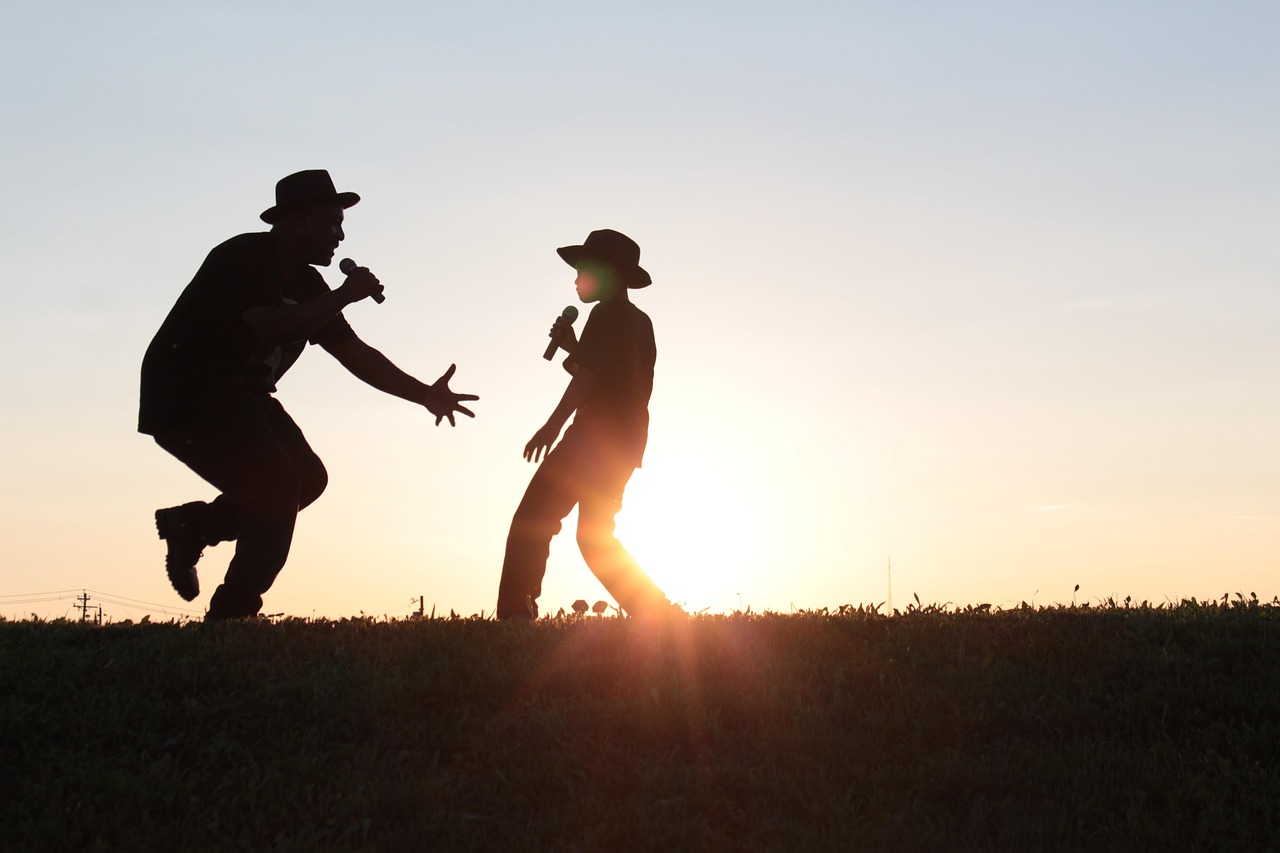
Based on our personal experience, I believe that sport, a lot of physical activity in general and training body awareness are very important components of therapy. They cannot replace medication, but they are almost like additional medication themselves. It is no secret that sport has an antidepressant effect and has long been used therapeutically. There is the term „runners‘ high„, i.e. the release of endogenous endorphins during/after running.
I believe that a lot of „emotional imbalances“ are regulated in the brain through physical activity, sweating, feeling yourself, deepening your breathing, you stand differently on the ground afterwards, feel your erection, your own strength, gain more confidence in your body, sleep better after physical work.
What is actually essential for all people is even more urgent for ADHD sufferers with their sensitive nervous system, especially the regularity of training. The feeling of having a good home in your body can alleviate many a bad mood. And sport, very importantly, can act as an outlet for the affinity for addictive substances that unfortunately exists.
You can see in affected competitive athletes how their ADHD can turn them into exceptional athletes thanks to their ability to hyperfocus and block out everything else (Olympic champion Simone Biles and others). You have to be careful when the structure and acting out through sport is lost, e.g. due to injuries or infections. And they have to learn to treat their bodies with consideration, because the sensation of pain can be delayed or only perceived after massive overload.
The same, the good kind of compensation, applies to theatre in emotional terms: here he was allowed to be the clown, the court jester, be a bit crazy, go off the rails, above all you can make mental leaps in improvisation, link things together that have nothing to do with each other. So all that associative thinking that often gets in the way at school because you can’t keep the thread running through your mind is suddenly a much sought-after strength. It’s just really good: supposed weaknesses become talent and make him a good actor.
It’s not for nothing that the celebrity list on ADHSpedia contains many great well-known actors and actresses who are successful not despite their ADHD, but because of it. Seeing this helps enormously. After a few rehearsals, Lukas was not only able to memorise his own lines, but also speak the entire play, which revealed his fabulous memory for things that interest him. Music is also an incredibly important and wonderful way to achieve mental balance, either by listening to it or, even better, by making, singing and playing it himself.
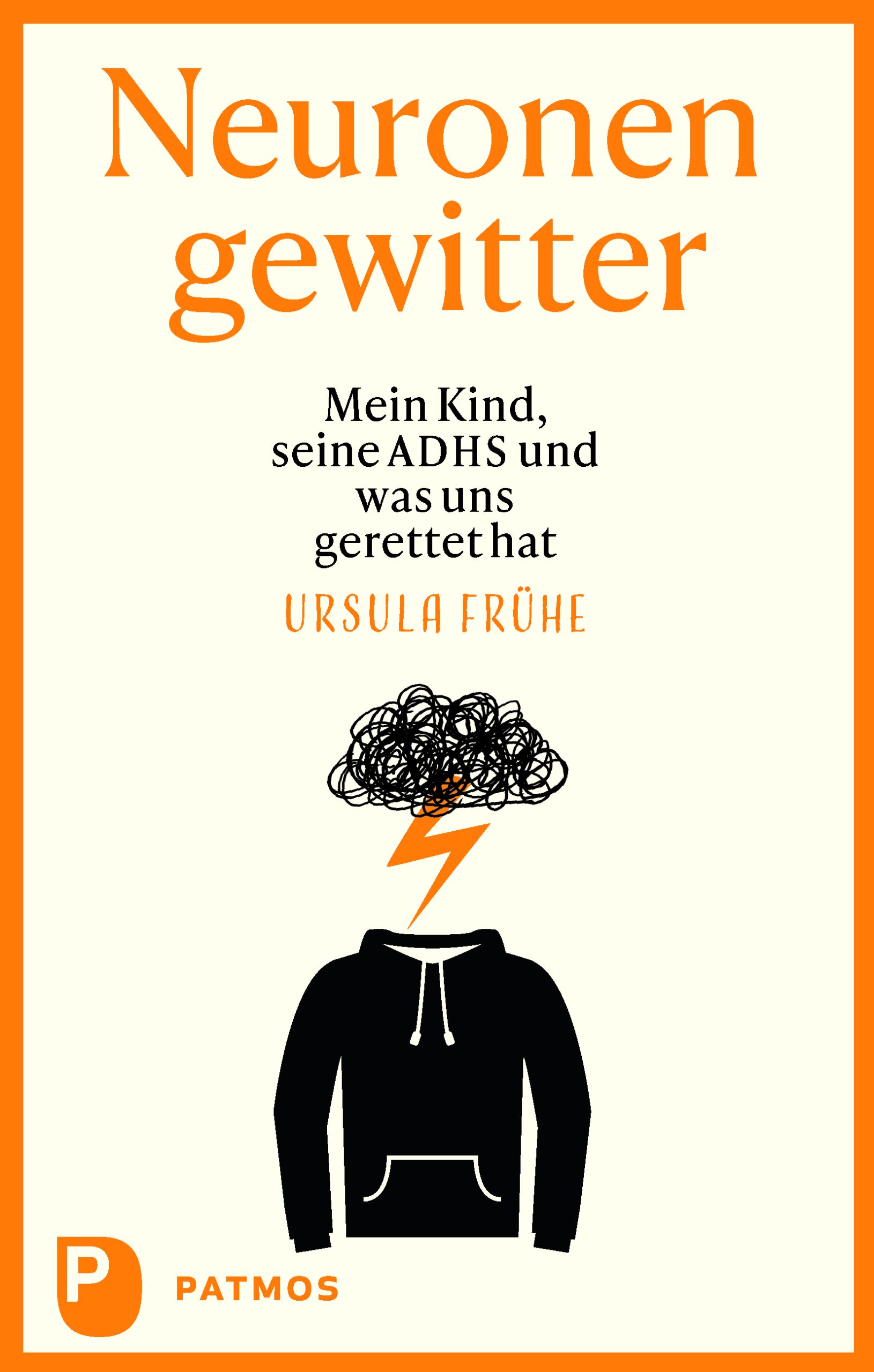
Your book „Neuronengewitter“…
also helps you to look at ADHD in a new way, by no longer seeing it only as a problem but also as a resource.
Yes, systemic therapy in particular, which gave me a different perspective on ADHD. It’s less about ADHD as a „problem to be solved“ and more about a different perspective and therefore a different way of dealing with it. There is the initially strange-sounding concept of the „benefits of the problem“, what „benefits“ does it perhaps even bring with it? As long as someone is in a bad way, this may sound cynical, but even then it is worth trying to change your perspective as a thought experiment.
The basis of systemic therapy is the constructivist model, which, in a nutshell, assumes that we all „build“ our own constructions of reality, completely subjective and dependent on our previous experiences, our perceptions, our values, biographies, culture and background. I will never know exactly how someone else perceives and feels about this world, even if we try to communicate about it objectively.
This way of thinking brings a whole new respect for the completely different perception of the other person. This also and especially applies to people I think I know well. Trying to approach this model mentally changes a lot, especially when I’m dealing with people who have a different type of neuronal „wiring“ than I do. Instead of getting upset about „time blindness“ or forgetfulness, I try to find compensation solutions in the knowledge that a person with ADHD can’t do anything else. Because they perceive this world differently than I do.
Detachment from the parental home is somewhat more difficult for adolescents with ADHD, you write. In what way. And to what extent is it good as a mother to recognise this? So that you are no longer seen too much as a helicopter mum
I have already mentioned that children with ADHD are sometimes delayed in their development, this can apply to their cognitive and motor skills, but also socially and emotionally their nervous system seems to need more time to mature and develop, a common observation. In other words, they are „younger“ than their passport says. This naturally creates a constant discrepancy. In addition, there may be a reduced sense of orientation, difficulty with appointments, timetables and planning activities in general, such as packing for a trip, preparing for an exam, becoming independent in many ways: handling money, travelling alone, even moving away from home.
I wrote the somewhat biting sentence: We Germans are world champions at knowing better, especially when it comes to the lives of others. „Why is this mum still taking her child to the gym?“ – Mine has long been able to do that on his own. „What, your child still sleeps in the parents‘ bed?“ – That’s a sick symbiosis. „Why is he still living with you?“ – Ours were long out of the house at that age… and so on and so forth.
We have incredibly entrenched ideas about how „one“ should live, when a child should do what and woe betide anyone who steps out of line. This lack of freedom has grotesquely increased despite all the emphasis on the new individuality, at least that’s how I feel. Perhaps due to the many comparisons in the (social) media. My biggest concern is more tolerance towards differences, so it helps if we mums know that our children are different, need us longer and I won’t let anyone spit in my soup, period. That’s right, I’m no longer wearing the label of helicopter mum.
At the age of 21, your son said a crucial sentence to you: „You were there for me when I needed you most.“ What did that mean to you
?
That was very touching to hear, because it expresses gratitude and appreciation. For me, it means that it was good to trust my instinct, which told me at the time: „Let people talk, he needs you.“ I was often unsure whether I was doing it „right“, but I followed my instincts anyway. It was a wonderful confirmation. It also means that he recognised that it wasn’t easy for me to get through this time with him either. It means that our relationship is holding up and is changing: now he no longer needs me. Freedom is coming, but it’s delayed.