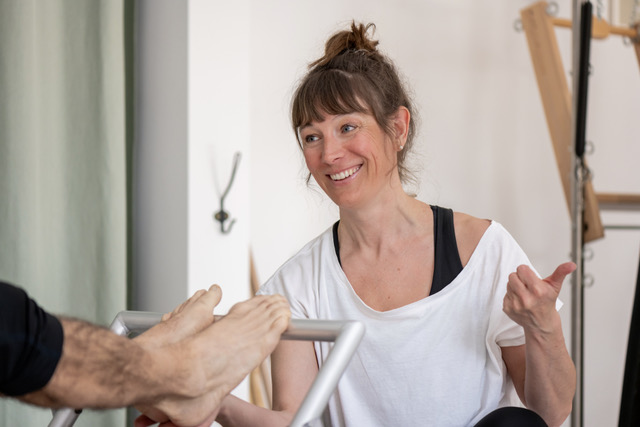
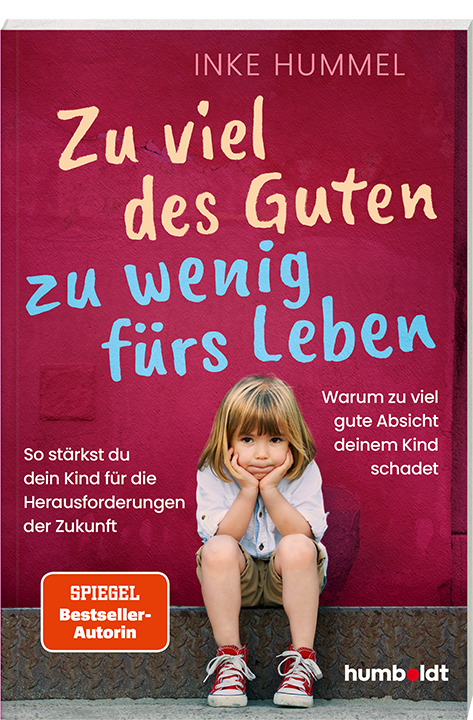
Dear ones, we all want to get it right with our children, but how do we do that? There is no such thing as THE secret recipe (unfortunately!), but some well-intentioned ideas are not so good if we overdo it and, for example, take everything off their hands instead of trusting them to do something. Children should be allowed to experience self-efficacy! By doing things themselves. That’s why family expert Inke Hummel has now written the book Too much of a good thing, too little for life.
The world in which your child is growing up is demanding – and that’s exactly why they will need inner strength, social skills and a sense of self-efficacy more than ever in the future. So how can my child learn to deal creatively with boredom? How can they cope with stress and crises and how can they use digital media responsibly?
Inke Hummel shows us how we can support our child – without overburdening them, spoiling them or „rescuing“ them in every situation.
Dear Inke, how can I give my child coping skills?
My favourite word! I really think this is the most important thing that children need from parents: Basic confidence to feel secure enough to cope with challenges, plus self-efficacy to do it better and better on their own.
Children develop this coping power when we show them step by step WHAT they can do and HOW to stay calm enough when something needs to be done: an argument, hectic, frustration, unpleasant feelings due to boredom, a mishap, whatever.
Are there moments when we take our children too seriously?
I think „too important“ is actually the wrong description. Basically, you can hardly take a child too seriously. I would rather say that there are times when we „exaggerate“ our child, i.e. put them at the centre of attention in a way that is not necessary and often not at all beneficial. For example, when we try to capture their unwillingness to go to kindergarten in the morning with a two-hour accompanying game and are no longer with ourselves or cannot accept that they are simply unchangeably grumpy in the morning.
What do you think of the saying: „We can’t give too much love, but we can give too much attention“?
If I equate „attention“ with „devotion“, I would consider the saying to be wrong. But it depends on what the devotion looks like. Does it also include something like „I encourage my child to solve a problem themselves – to really deal with it?“ or does it rather mean „take over, over-animate, appease“? If the latter is meant, the saying would be correct and important for me. Because it can actually happen with the wrong kind of care that children are almost „lived“ rather than living themselves.
How can I help my child to become independent?
In occupational therapy, the motto is „helping people to help themselves“ and this is exactly what should drive parents: How can I tell and show my child how to overcome a challenge better and better on their own? In the beginning, they will certainly need me for support and often also for reassurance. But gradually I should involve them more and more and also „push“ them.
For example, if my primary school child finds it difficult to pack their school bag properly: This won’t change if I do it for my child all the time, but if I show him how I organise and if I give him tools.
You talk about „coping instead of appeasing“, can you give us a specific example of this?
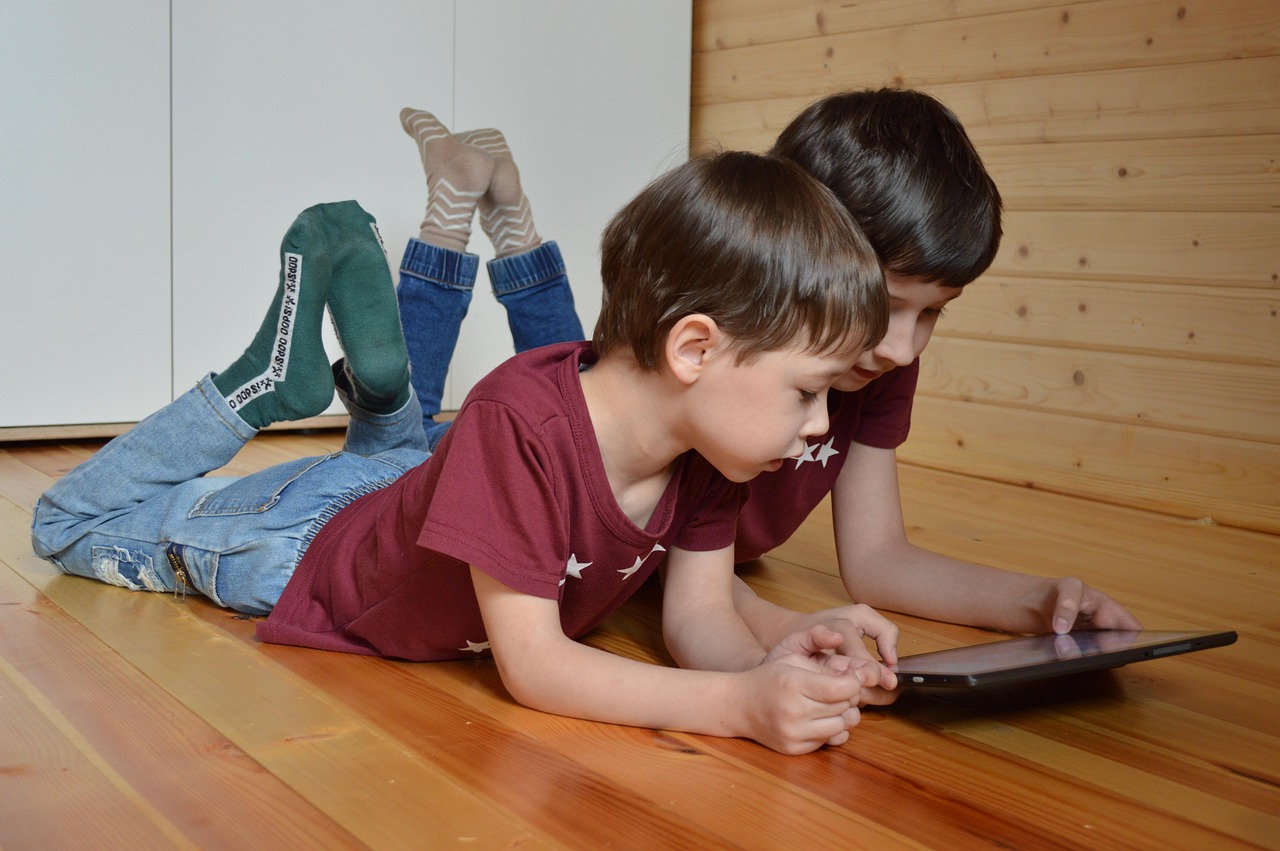
I’m talking about unpleasant feelings, for example boredom. If I then always make 20 suggestions to my child, take over immediately and play entertainer or allow digital media straight away, my child can’t learn to cope with the feeling themselves or come up with creative ideas themselves.
Instead, if I show them that it is good to first do something else in these moments in a ritualised way that can stimulate creativity, they will become more and more independent of me in this area. This can be movement, for example, as it ensures that our perceptual system becomes calmer and more attentive and that our brain resets itself, so to speak, and can continue in a more constructive way.
You say a child needs strong ego skills. Do you mean that I don’t always tidy their room so that they’re not overwhelmed if they have to do it on their own because their crush comes to visit?
The example is of course also an important point, although I think it’s important to find a middle way: first tidy up together bit by bit if it’s difficult on your own – in other words, help them to help themselves and then keep letting go.
But ego competence means something else: I am ego-competent when I know what makes me tick, what I need and can consciously or unconsciously make sure that I get through life quite well.
A few examples of ego competence: if a shy child knows, for example, that it is best to arrive at an exciting event very early so that it is only gradually confronted with all the people and stimuli. Or if they know that whistling a song will help them during transitions. I-competent can also mean that a wild child has learnt to put their hands in their pockets when they get angry so that they don’t knock something or someone over again.
So it’s mainly to do with self-awareness and self-care, which young children don’t have yet, of course, but should definitely build up bit by bit.

Would you go so far as to say that young people have to organise their internship themselves, call the company, etc., even if they end up without an internship? So that they learn?
That would be a clever objective, yes, but with one important caveat: I don’t have to be tough for my child to learn how to deal with hardship. So again, please help them to help themselves. Parents can help young people who find it difficult to make a phone call to practise and plan, and provide guidance to those who are not good at organising (which may be due to pubertal restructuring of the brain) by clearly insisting that a plan is made as to when to do what and how, so as not to miss any deadlines.
The child was allowed to drill into the wall for the first time and the mirror holds up – do you mean such experiences of success that lead our children to self-efficacy? Because they won’t feel so helpless the next time they move?
Absolutely. There was confidence: the child was allowed to do things. There was probably support, because he was shown how to do it well. The parents didn’t take over, but accompanied them. That’s exactly what they need, even when they’re angry, frustrated, bored, disappointed or stressed.
What would you like to say to our readers as a final sentence?
I would be delighted if all those who are reading this with uncertainty or who are very sure of themselves when it comes to topics such as „smartphone bans“ would not forget to look at what is always important in addition to possible restrictions: namely the skills. Does a teenager or child know how not to numb themselves to unpleasant feelings, but to make good use of the attractive offers? Do they know for sure that they can always ask for and get support from us? Are we helping them to achieve independence, autonomy and security?