Dear ones, how can we talk to children about politics? How can we explain the world situation to our adolescents? How can we describe the fact that millions of people vote for self-absorbed billionaires with a silver monkey attitude who, in our eyes, come across as arrogant, narcissistic and unassuming?
The other day, our kids came home from school and told me that the cake throw at Christian Lindner had just gone viral on TikTok. I asked them directly how they would feel if someone threw a cake in my face, after all, I am now also involved in local politics here. „Well, of course that wouldn’t work at all if that happened to you, Mum.“ I see. You see. Things like that aren’t funny, as you can see from this example.
Talking to children about politics: But how?
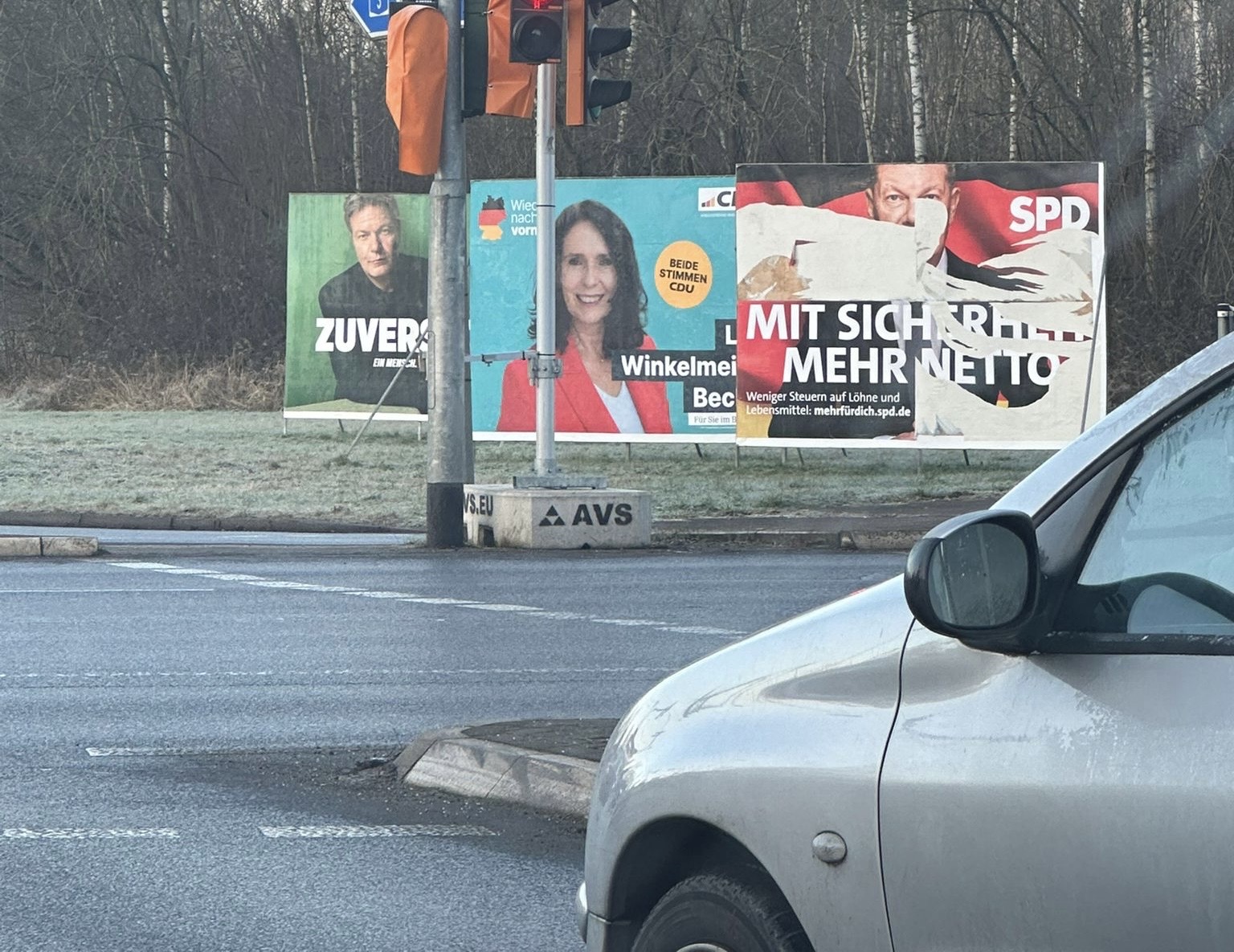
Over lunch today, we asked ourselves what has actually happened in Germany since so many committed people held up welcome signs for people seeking refuge from the war here in 2015. Back then, we also welcomed a wonderful family from Afrin who have now settled in incredibly well in Cologne. Mum and dad are working, the son wants to be a doctor, the little girl is already dancing in the theatre…
And suddenly we can call for remigration again? From an openly homosexual candidate for chancellor whose party wants families to once again consist of a father, mother and child? And whose colleagues print deportation tickets and drop them in the letterboxes of people with a migration background?
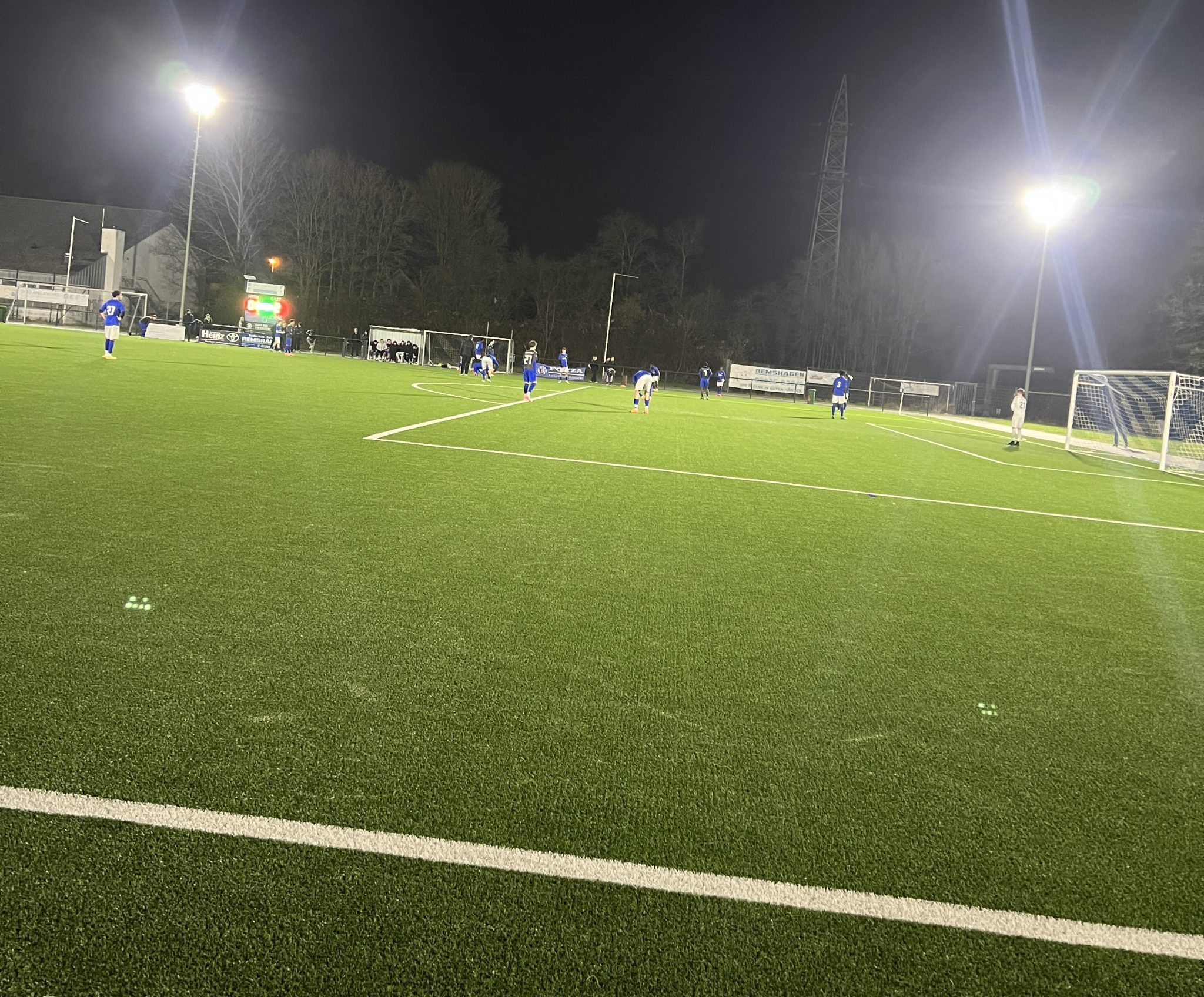
What do you think this feels like for our Syrian friends? Or for our fellow citizens from Turkey, Afghanistan or Angola? For the many international youth football teams in the local clubs and for their families?
When my friend Sümy recently wrote the innocuous sentence „Our diversity is our strength“ under an Instagram reel, she received the following response: „Great diversity. I hope the great diversity gets you in the hands or buckets (sic!) of your family at night. A bit of fun with 13 boys would certainly do you good.“
Would it have helped all the Vladimirs and Donalds and Alices and hateful social media commentators sprouting up like weeds from their political holes if they had been hugged more often as children? Would they have had to spout so much hate into the world if there had been a little more security?
What can we do in this new, often undignified culture of discussion? And yes, I myself have just described a billionaire as possibly arrogant or having a silver monkey attitude, but that doesn’t mean that I don’t listen, that I don’t always allow myself to hear different opinions in order to draw conclusions for myself. I also listened to the live chat between the owner of Platform X and the only female candidate for chancellor and was once again surprised at how little I was able to follow what was being said.
Just yesterday morning I read that, according to an Allensbach study, 42% of people under 29 and 50% of TikTok users doubt that Russia is deliberately spreading fake news on social media. 25% of the overall population believe that coronavirus has been deliberately brought about – among TikTok users, the figure is as high as 44%. Our children are watching TikTok! We need to talk to them and help them categorise what they see. The vast majority of political accounts on TikTok are blue!
But heavens, what a commotion it was when TikTok was suddenly switched off for 12 hours in the USA. Some of our children have friends there on exchange or as au pairs, and today’s young people simply spend a lot of time in and with the app. We can’t leave it at that.
The other day, our boys came home and were incredibly excited because they had seen the film about the Baader Meinhof complex in class. They wanted to know whether Grandad had also taken to the streets back then and suddenly read through all the articles on the subject. They ask us parents who we are voting for and are amused that it is (usually!) different parties. That’s democracy! You can leave it at that if the other party has good arguments. They can know that, they can learn that – and make up their own minds.
The other day, our older daughter came to us and said that her school’s educational trip to Auschwitz couldn’t take place because of the pandemic and that we could imagine taking her there to learn about our own history. Isn’t that valuable? And now we’re going to do it in March and take a look at it together.
However, it is probably even more important to have a reasonably good example than to really engage with politics within the family on a large scale. Not to sow hatred, but to go through life in a friendly, grateful and cohesive manner. To confront grievances constructively. To form networks instead of working against each other.
Not to marginalise the weaker, but to include them and give space to people who might otherwise not be heard as much. And to actively endeavour to make improvements instead of getting upset about the (in)actions of others. To start in your own cosmos and on your own doorstep and to ensure a better climate yourself. To be there and have an open ear, to meet at eye level. To be human and approachable. I think that’s what has the greatest impact and influence. Or what do you think?