Dear ones, sometimes the world is small and people find each other in a roundabout way because you might think they need to find each other. Anyway, a woman was looking for support in a forum for women. She wrote that she had a friend who would like to publish a book.
I contacted her and told her that I might be able to help because I had one or two contacts in the book industry. This same woman immediately put me in touch with Katy. We spoke on the phone – and hit it off straight away. And not only that. We also realised that we even have mutual acquaintances.</p
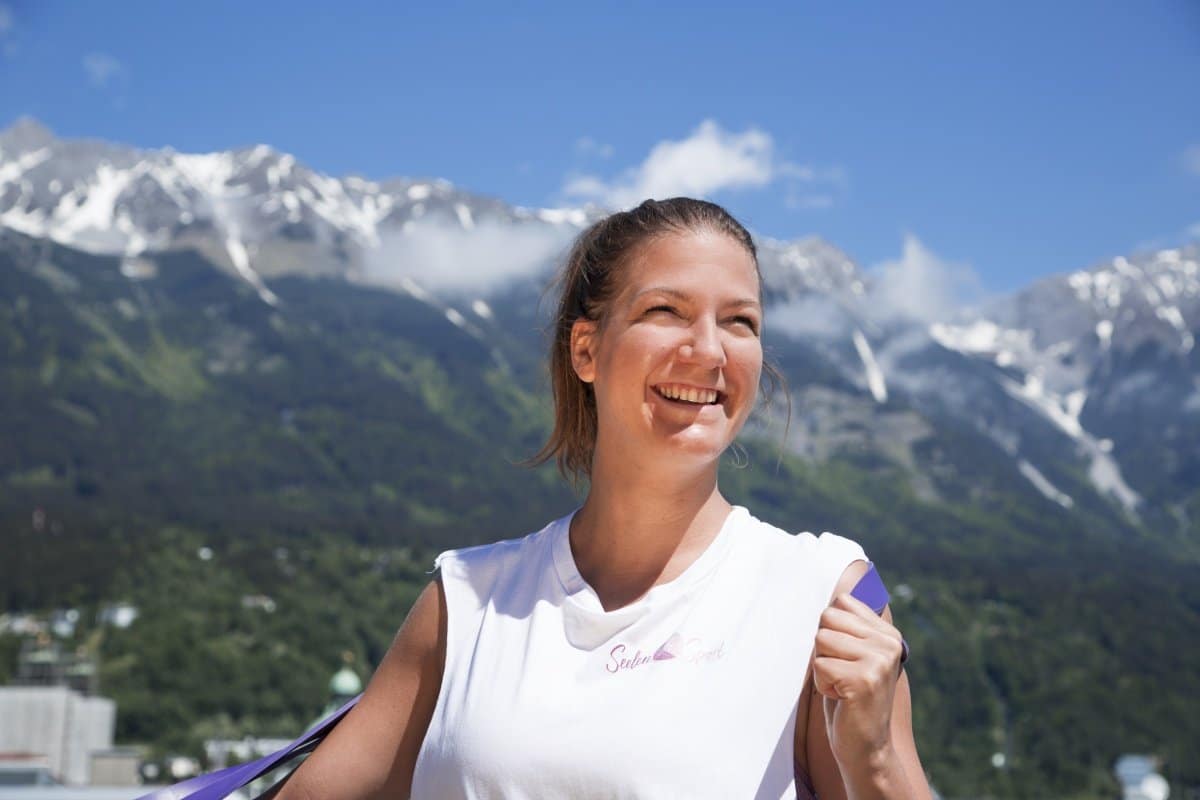
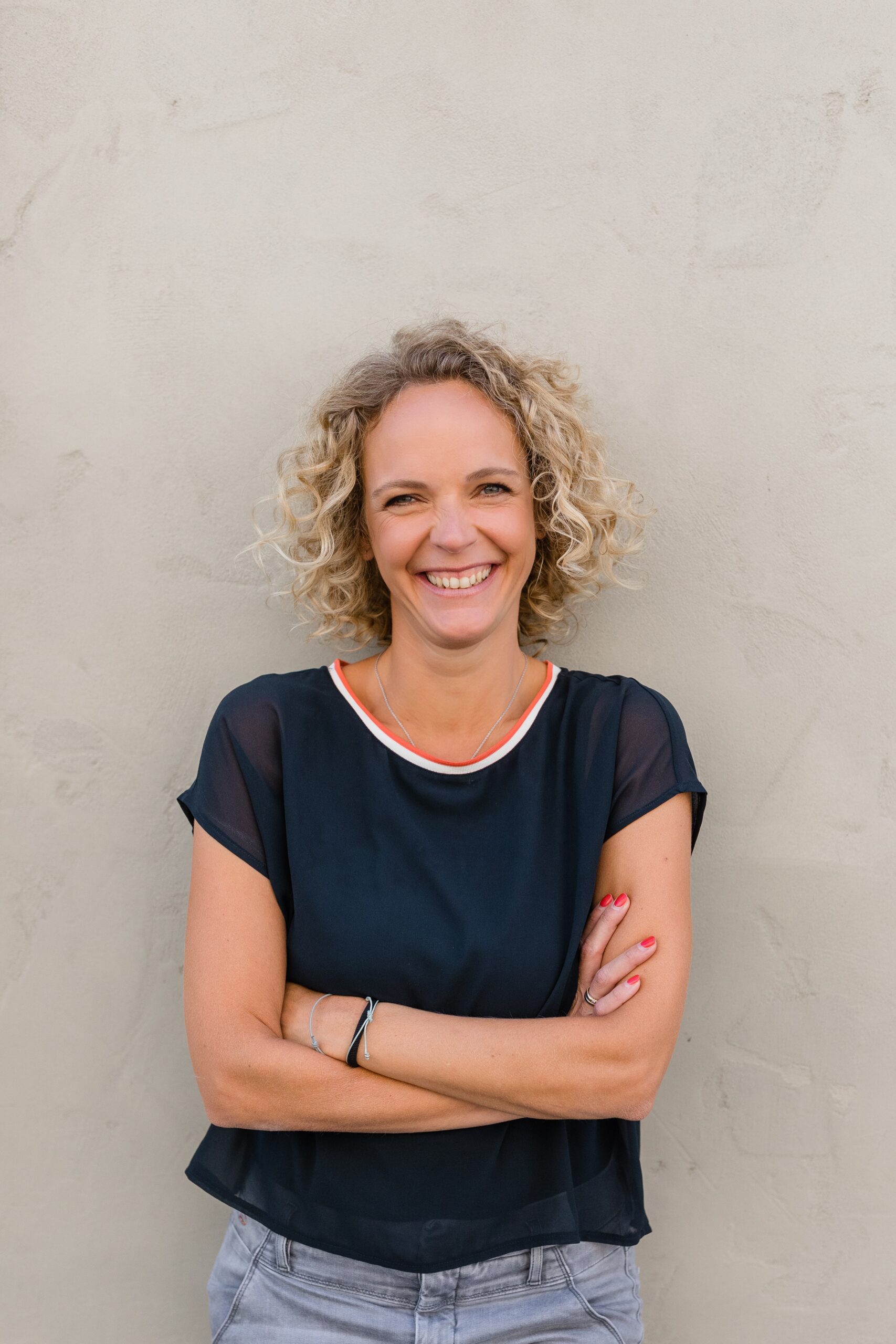
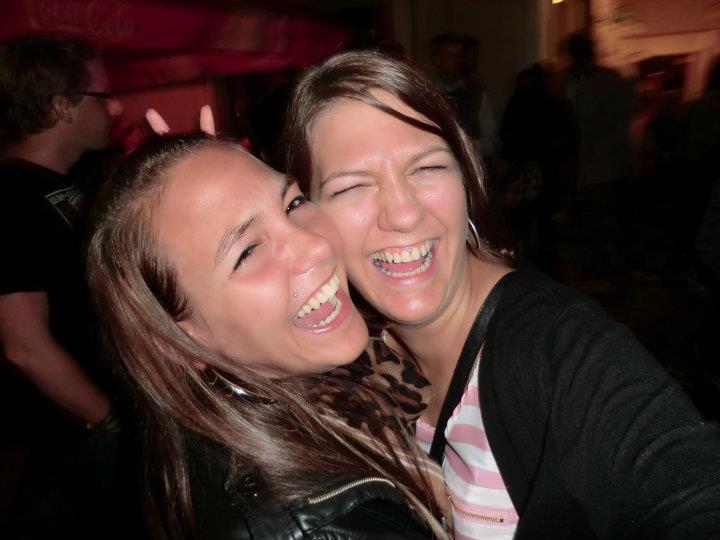
We talked about our families and their stories. And Katy has a particularly moving one to tell, because five years ago – in autumn 2013 – her then 21-year-old sister (on the left in the photo) was murdered. Since then, nothing has been the same for Katy and her family. In a touching interview, she told us how she draws strength from her grief today. Katy, thank you so much for your trust!
Dear Katy, you describe your sister Larissa as your „twin at heart“. You look so happy in the picture! What kind of person was she and what was your special bond?
What a great question, finally someone is asking about her and not always just how was the murderer… Thank you!
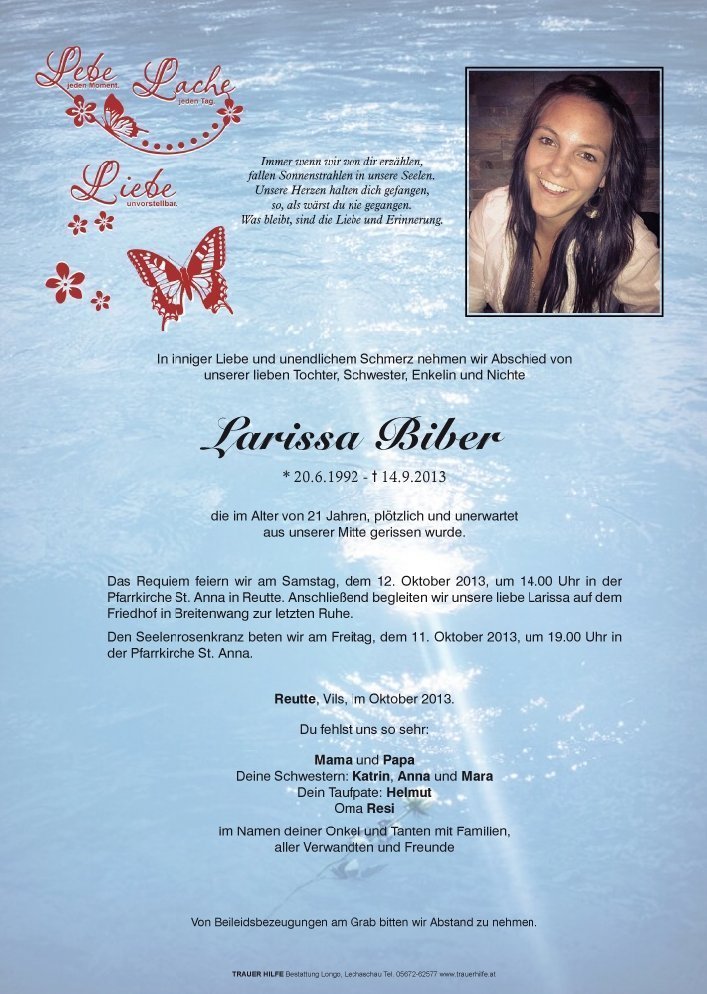
She was probably one of the most cheerful people I’ve ever known. She always laughed and was always motivated to tackle all her endeavours and do them well. She lived life with an admirable lightness of touch and rarely complained about small things. She was sporty and loved the outdoors. Her motto in life was Live.Laugh.Love. Every day. Her heart was generous towards people who didn’t have it easy and so she always helped as much as she could.
We were very similar in character and our relationship with our parents was also similar. Our interests were almost always the same and she always reminded me of my younger self. My other two sisters had a similar connection to each other.
Larissa and I got on blindly and had a big dream of going to Vienna together after I finished my degree in Innsbruck. She wanted to study technical physics, I wanted to continue studying archival sciences.
In 2013, five years ago, your sister was murdered. What exactly happened?
I was organising a party at my house. Larissa and her new acquaintance – a man she had met two months earlier, came along. We spent a fun night partying and they both went to his house. That’s where the fight broke out.
He then strangled Larissa and disposed of her in the nearby city river. The next day, he told me that my sister had left the flat in the middle of the night. From then on, the search for her began – for ten long days. He also helped with the search.
After ten days, the truth came to light due to a mistake on his part. He was apparently acting out of jealousy of a friend of mine that evening.
Did you have any premonition that something like this might happen?
No. They had only known each other for about two months. I only got to know him at the party. I liked him straight away and he didn’t stand out. Just before they went home, he was briefly jealous of a friend of mine, but things like that happen every day when you go out and don’t immediately mean that someone is going to commit murder.
I still blamed myself for a long time. Even though I know today that I could never have suspected something like that.
How do you remember this time of uncertainty during the search?
This time pushed me to my physical limits. Having this uncertainty every day, living between hope and fear, was so stressful that my body reacted with hair loss and bouts of weakness.
In addition, I had to be constantly available for any tips and spent what felt like 23 hours a day on the phone or texting with various searchers, supporters or the police. We searched every day to avoid doing nothing and had a lot of helpers at our side.
I ate something, sometimes nothing, but I hardly paid any attention to that. I could hardly sleep either. We talked a lot within the family and ran all kinds of scenarios through our heads again and again.
When was it possible to bury Larissa and how did you organise her last journey?
After her body was found in the Inn on 6 October 2013, the funeral took place about a week later. I put together a video of her favourite moments and we released balloons into the sky.
Her favourite band „Bluatschink“ played specially and afterwards there was a funeral service in a local pub. It was the only goodbye we had, as we were no longer able to see her. On the one hand, sharing this day with so many other people was nice… on the other hand, I would have liked more intimacy in this particular situation.
During your time of grief, you became very close to your family, your parents and your two other sisters. What did that mean to you during this time?
It wasn’t like that from the start. At first, the grief tore us far apart, as everyone dealt with the loss differently and no one knew how to behave. This led to a lot of conflicts and arguments. It was only when we dealt with it and talked openly with each other that we were able to overcome these conflicts and grow from them.</p
The solidarity means a lot to me, because it was my reason to carry on living and fighting. My younger sisters in particular were partly my motivation for not letting myself go and being a good role model.
When did the shock turn into sadness, when did it turn into anger – and when and how were you able to venture back into life, into your future?
I think – looking back – that right after the funeral, the first deep breakdown of grief set in and from then on, all these states alternated again and again. It depended very much on the day, the event, what was in the media again and how my family was doing.
I also had a lot of anxiety and even panic attacks about the murderer. I had severe nightmares that robbed me of all my strength.
Step by step, I dared to try everyday things from time to time. Most of the time it ended in a sea of tears – whether it was shopping, walking, washing, cooking or going to university. Each of these everyday activities made me realise that life goes on despite this pain and that always overwhelmed me.
I wasn’t ready to move on and yet I had to keep going because, after all, I needed money to live. That’s why I worked somehow so that I could at least pay my rent. In the beginning, I often turned to alcohol, which I thought would help me get through everyday life. However, it caused more damage to my body and my psyche than positive developments.</p
Who or what has helped you the most along the way?
My friends were certainly an enormously important source of support, especially at the beginning, because it was difficult within the family. I also had a therapist right from the start, who also helped me enormously. But what really saved my life was exercise and sport.</p
Before Larissa died, I had a skiing accident that resulted in a torn cruciate ligament. I had an operation and also got a thrombosis. Months later, my knee was better, but still far from well. After Larissa died, I stopped looking after my knee. As a result, it got progressively worse.
At the beginning of 2014, I had an appointment with my surgeon. He told me that I should start building up my muscles because otherwise I would never be able to jog again. That was the first spark.
My sister was always the sporty one and my personal motivation to do sport. I went out of the surgery and thought: „I’m going to train for you, little sister.“ At first I tried a gym. But that was difficult to reconcile with my crying fits, so I moved my exercises outside. I felt free there and could let all my feelings run free.
I realised how great it felt to be aware of my body again and to give it back the strength it clearly needed. My physical condition improved and I could also feel joy and happiness again. Since that day, I have been training regularly – until today. Sport has become my purpose in life.</p
This training also got me through the trial period (the offender was given 20 years with subsequent preventive detention), helped me to make decisions for myself and my body and to look after myself.
You then founded Seelensport, a „moving way out of grief“. What exactly do you offer there and what does it give you for yourself?
I would rather call it that: a moving way out of grief. Because my grief is still there. It has changed, as everything in life constantly changes, but it is a daily part of me that shows my love for my sister.
The training doesn’t take the grief away from me or anyone else, it’s more about finding a way to deal with it through movement – and all the feelings that come with it. It’s about using the body as an instrument to express these feelings and strengthen the body at the same time.</p
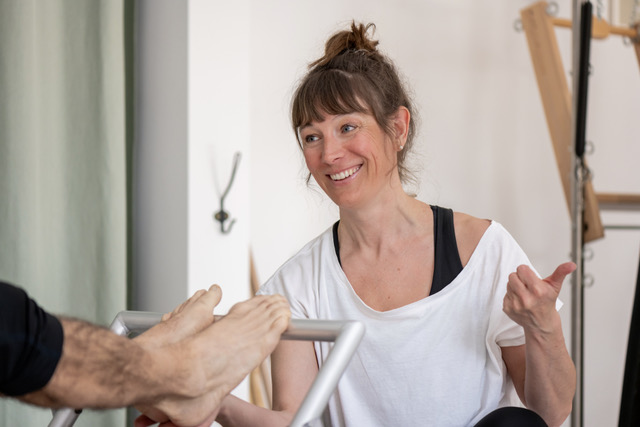
I offer soul sports in very different forms: Courses on site in Innsbruck, a recovery week in the mountains, workshops throughout Germany and Austria. I also give talks on the topic of grief in motion and offer online training sessions. I also write a blog on topics relating to grief.
The feeling of carrying a part of my sister out into the world in this form and giving other grieving people hope that a life with grief is possible and can also be associated with a smile, gives me inner satisfaction and a sense of purpose in this new, second life, as I call it.
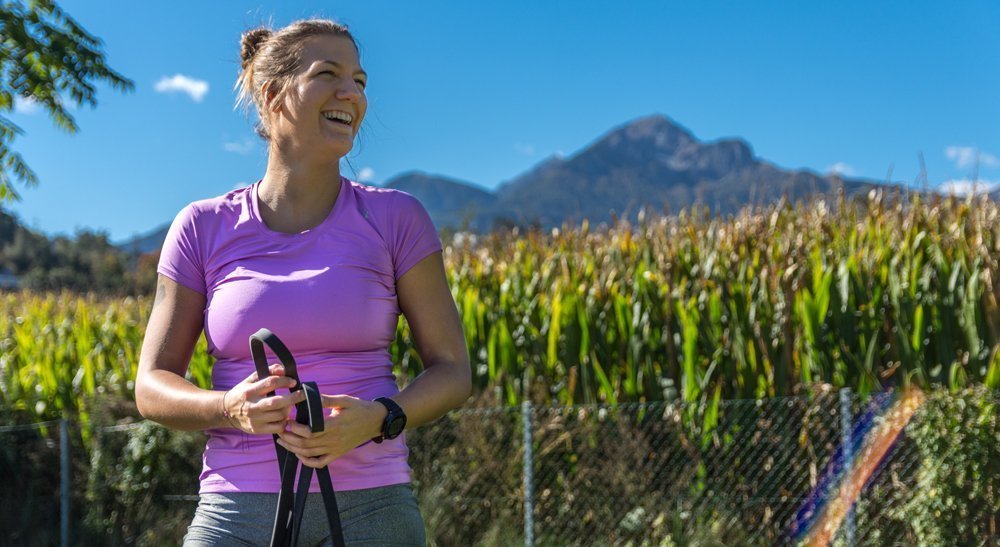
Five years have now passed since your sister’s murder. I heard you on the phone as a cheerful person who wants to make the most of every day. Your life seems to have become more intense. And not only in pain, but also in gratitude. Is my impression correct?
Yes, absolutely. As a young person, you often live with the idea that life is infinite and like to put things off. I realised that we are all mortal and that death can happen any day. With this thought, I live moments more consciously and intensively, but also my relationships. I no longer waste time on things that aren’t good for me or that weigh me down.
What would you like to pass on to other people who have to live with strokes of fate?
Consciously take time for yourself and your feelings. Be patient with yourself and take one step at a time. Grief takes time, patience and a loving approach. If we allow ourselves to embark on this painful journey, there are many beautiful, enriching moments behind it, alongside all the tears. It is very important not to allow any pressure to come from outside, but to stay with yourself.
You don’t have to do anything. Except to be. It’s your grief, your pain, so it’s also your rules.
Those are beautiful words. What happens now in your life?
I’m currently looking for a publisher because I’ve already written down what happened and would like to publish it. With my story, I want to give other people hope
but also to shed light on what it means to grieve after a murder and the extent to which we all play a part in this.
In addition, my training programme for SeelenSport coaches will start in autumn 2019. My wish and goal is for this course to be accessible to every bereaved person in addition to the dialogue groups in many cities. The training is aimed at bereavement counsellors, therapists and trainers.
Other than that, I’ll let myself be surprised, because in the end nobody really knows how life will go on.
Because it’s happening right here and now and you can live it!