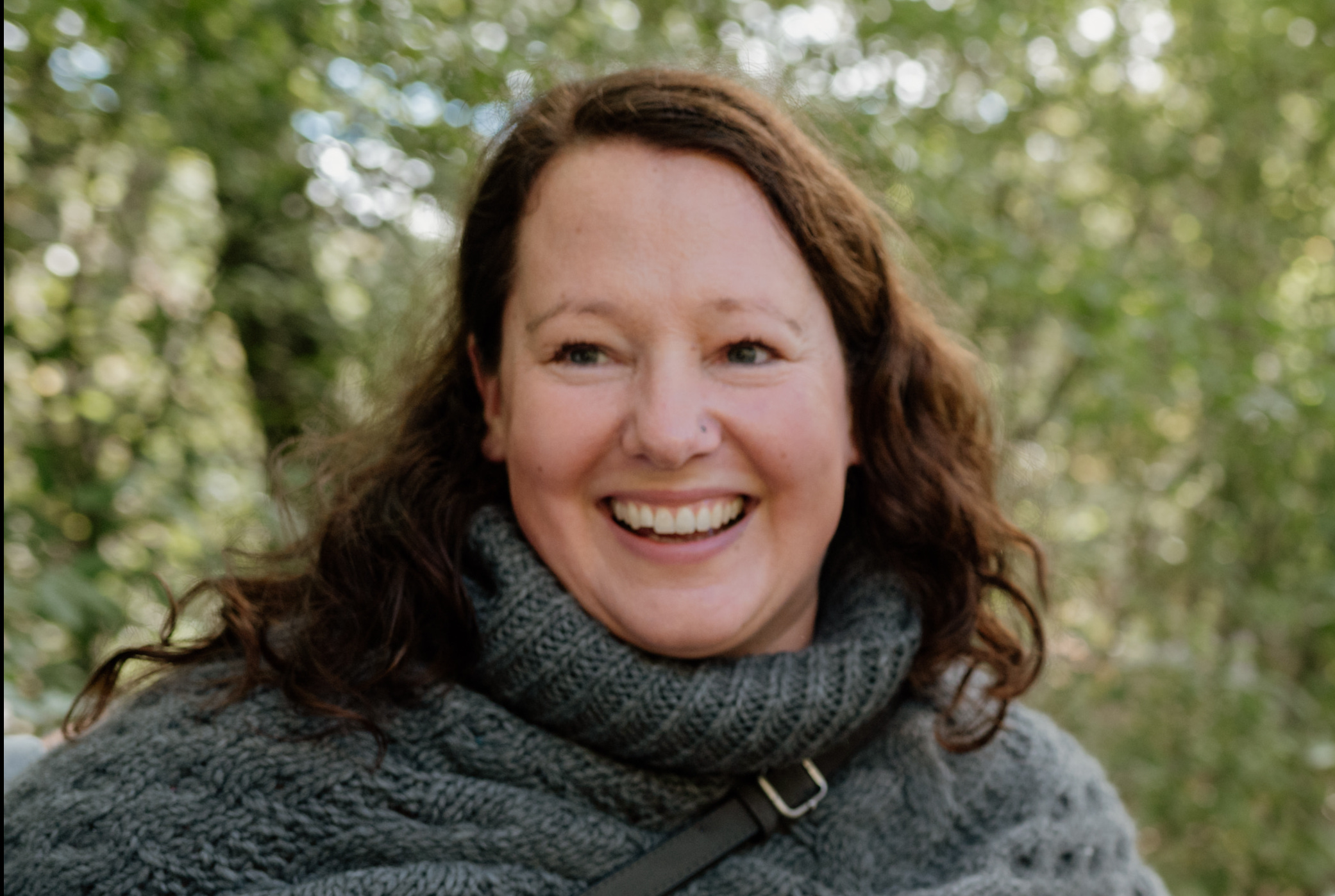
Dear readers, the inability to conceive can place a heavy emotional burden on couples. It often gives rise to feelings such as sadness, anger, speechlessness or guilt, which can also affect the relationship. Rebecca Ostermann has experienced this herself – with all the doubts, hopes and emotional ups and downs – and, after receiving excellent counselling for herself and her family, found a solution to deal with it. She now has two children who call her Mummy. And she now offers fertility counselling herself.
Thank you for sharing your story with us today. Perhaps you could start by telling us a little about yourself and your husband.
My husband and I have been a couple for over 27 years and have known each other since school – we basically grew up together. Even back then, we shared our lives and did lots of wonderful things together. We travelled a lot, planned holidays, met friends, went out for meals and to concerts, and simply enjoyed life. All these experiences brought us closer together and strengthened our relationship over the years.
We got married in 2008, a day that will remain unforgettable forever. Shortly afterwards, we wanted to start a family. I dreamed of having two children, he of three. We always imagined what it would be like to walk into the nursery in the morning, see a little smile or witness their first steps.
When did you realise that having children of your own would not be possible?
After about two years of hope and waiting, we realised that we would not be able to have biological children. Our world fell apart. Suddenly, all the images of the future we had in our minds – holding our baby in our arms, hearing their first words or decorating the nursery – were impossible from one day to the next. I cried a lot and was incredibly sad. Everywhere I looked, there were happy families, pregnant women or small children – I was constantly reminded of what we were denied.
How did that affect your relationship?
My husband was my greatest support. He listened to me and, above all, he was simply there for me. And vice versa. During this time, we discovered walking together. Long walks, lots of fresh air – and lots of conversations. Outdoors, walking side by side, it was often easier for us to talk about what was on our minds.
You then sought additional professional help. How did that come about?
First, we went to a fertility clinic. Medically competent, of course – but emotionally, we didn’t feel understood by the psychological counselling there. The discussions were heavily focused on specific medical methods that the centre profits from – alternative perspectives or neutral advice hardly played a role. It felt as if we were left alone with all our feelings and doubts. How did you then find systemic counselling?
By chance, I discovered a systemic therapist in our area who specialised in, among other things, unfulfilled desires to have children. She had experienced for herself that there is hardly any emotional support available during the phase of unfulfilled desires to have children, and she wanted to fill this gap. Right from the first conversation, I sensed that here was someone who really listened without pushing us in any particular direction. It was a safe space where we could express our grief, our anger and our longing without having to justify ourselves.
How did this counselling help you specifically?
It showed us that we could develop a new model for our lives – even if our original desire to have children was not fulfilled. We were able to think honestly about a life without biological children and consider what would still make us happy. The systemic counselling drew our attention to what sustains us as a couple, what connects us and what our strengths are.
At the same time, it helped us to think about new possibilities without pressure and without a predetermined direction. The focus here was on solutions and our resources. We learned to talk to each other in a different way and slowly began to see new paths – for example, thinking about taking in children who are not biologically ours. These conversations strengthened us emotionally and deepened our partnership.
That sounds like a long, intense process.
Yes, it was anything but easy. First, we had to work through our grief – crying a lot and talking a lot. There were moments when I thought that the world around us was just moving on and we were being left behind. But it was precisely this phase that made us stronger. We learned to accept the sadness, to support each other and to ask ourselves the question: „What do we need to lead a fulfilling life despite everything?“
And how did you come to the decision to take in children?
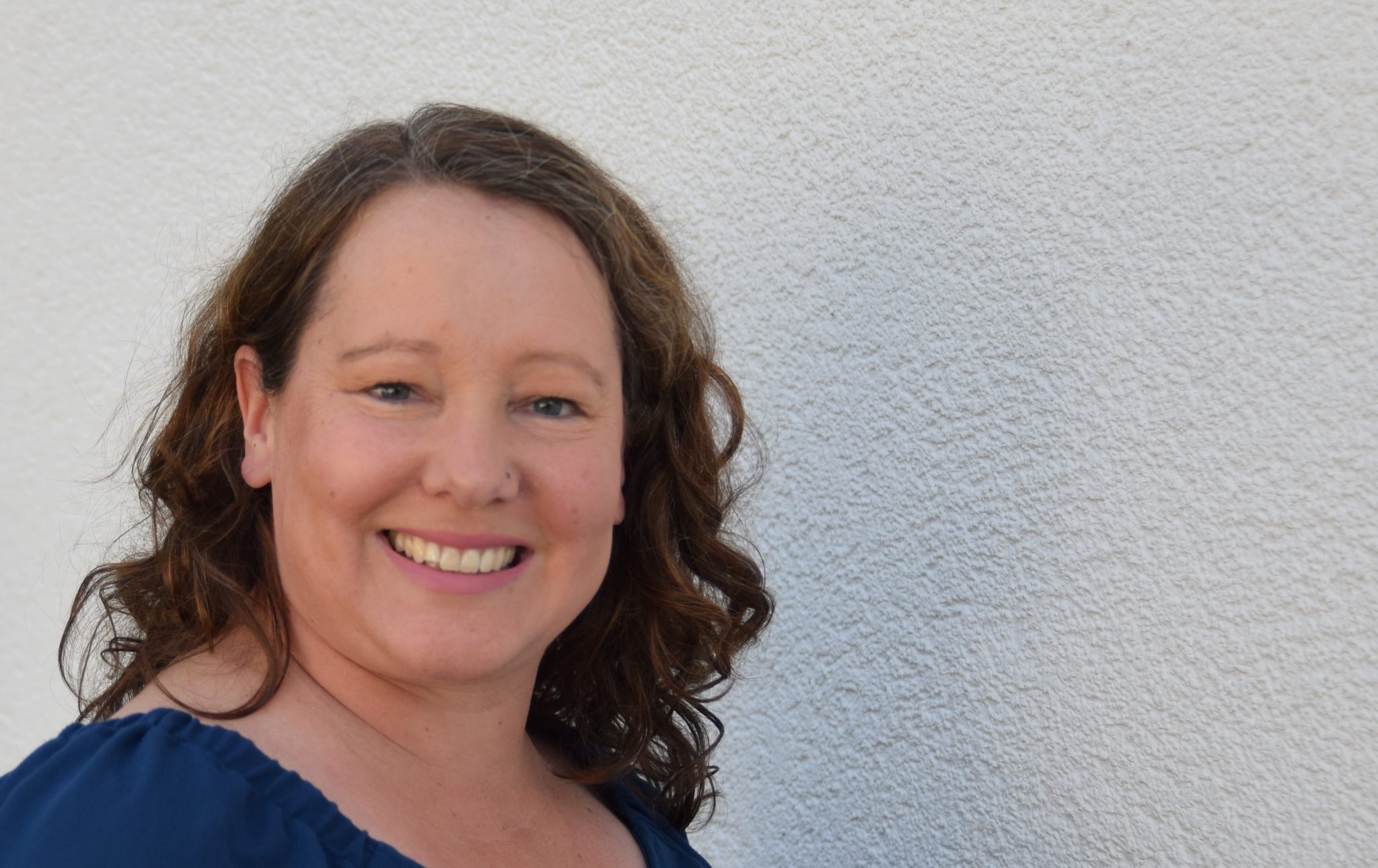
It was a very cautious step. First, we took the time to really understand what we wanted, what we felt confident about and what family meant to us. Then we made a conscious decision: we wanted to share our love and our home with children – even if they weren’t biologically ours. Today, we have two wonderful children. The joy of experiencing their little personalities every day is hard to put into words.
What role did counselling for infertility play in this process?
A very big one. It helped us to express our emotions, strengthen our partnership and see new possibilities – by broadening our perspective and not dwelling on what was not possible. That was crucial for us. We finally had a space where we could express our feelings honestly without being judged or pushed into certain options.
And how did you ultimately come to offer fertility counselling yourself?
Even during our own counselling sessions, the thought arose in me: „I would like to do that too.“ This type of work – simply by asking questions, broadening perspectives and pointing out new courses of action – impressed me so much that the desire grew stronger and stronger. Three years ago, I finally put it into practice and enrolled in further training to become a systemic counsellor. Today, I counsel couples who are unable to conceive, as well as individuals and families – and that is an incredibly fulfilling task for me. What message would you like to convey to other couples? It is completely normal to feel deep sorrow, anger or loneliness. But there are ways to find new perspectives – whether through adoption, foster children or other family models. Counselling for unfulfilled desires to have children can be a safe, neutral place where you can talk honestly about your feelings without being pushed in any particular direction.
For us, that made a huge difference – and it is precisely this experience that I can now pass on to others. Anyone who feels this applies to them is welcome to get in touch – online or in person. You can contact me via my website. I offer a safe space where you can feel understood and develop new perspectives together.
Thank you for your openness!
Thank you for letting me tell our story. I hope other couples feel that they are not alone, that there is support, that there are ways forward and that there is hope. You just have to take the first step – and that can be the beginning of a new, fulfilling journey.