Dear all, I recently shared a video on our Instagram account about living wills. This elicited numerous responses, with most of you stating, „Yes, that is at the top of my to-do list, but somehow I keep putting it off.“ This is not entirely surprising, as it is not an easy topic to address, requiring careful consideration of what one would and would not want in the worst-case scenario.
Simone also wrote to us. She herself has had a lot of experience with living wills and is now pouring her heart out to us: Why I don’t have a living will
My name is Simone and I would like to share my opinion on the subject of living wills, lasting powers of attorney or general powers of attorney and the associated implications, which I have already experienced on several occasions. The first time was with my father-in-law at the time, who suffered a completely unexpected stroke at the age of just 60. This immediately raised the question: life-support machines on or off.
In this situation, I experienced for the first time that many people very lightly say they do not want life-sustaining measures, do not want to be „hooked up to machines“. My father-in-law had always said this and made arrangements accordingly, which is why those around him knew what to do in theory.
In practice, however, this case came as such a surprise that the relatives decided to allow life-sustaining measures to be used, at least for a few days. And in my view (even today, many years later), that was the right decision. Why? Because it gave the relatives a chance to realise what was happening. They were able to say goodbye, visit him one last time and begin to come to terms with this stroke of fate. After three days, the measures were then discontinued.
I experienced this a second time with my own parents. My parents drew up both a living will and a health care proxy after my father was diagnosed with cancer. Both named me as the person who would make the final decisions. After eight years of ups and downs, my father was in palliative care. My mother was mentally exhausted and no longer able to visit my father.
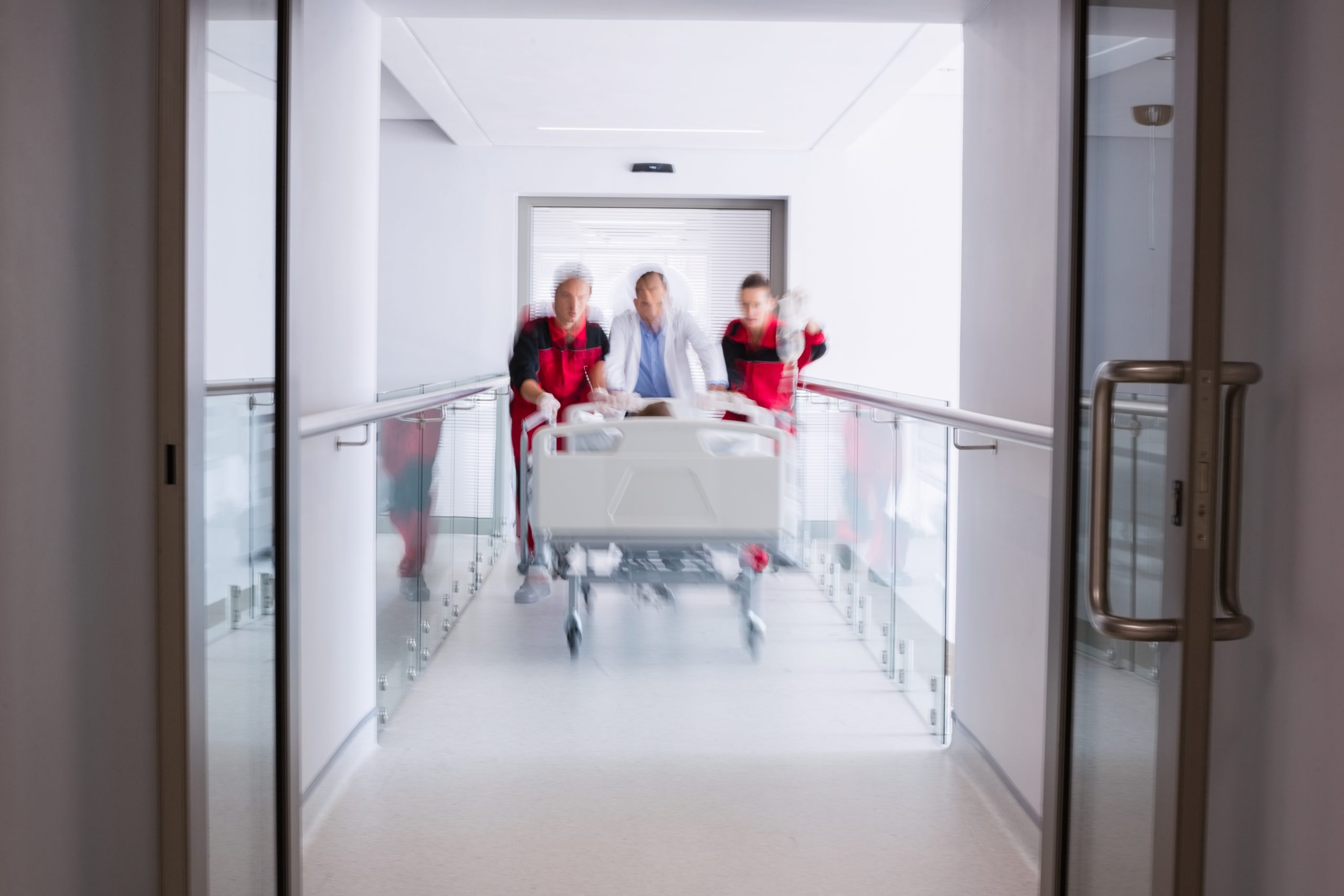
At the time, I had just been left by my husband with a house, a mortgage and two small children – and now I was driving between the office, the nursery and the hospital every day. A few weeks later, on a Sunday afternoon, I had visitors and lots of children running around when my mobile phone rang. „Hello, University Hospital, palliative care unit. You need to make a decision now; your mother is not feeling up to it.“
So that afternoon, surrounded by all the visiting children, I had to decide whether to let my father die or whether to give him an injection that would keep him responsive for another two days or so. The doctor on the phone was very nice and explained that the medication option is actually only used if, for example, a child is due to be born in the next few hours or important documents need to be signed.
The decision to let him go was absolutely clear, but it felt grotesque to be making this phone call in the utility room next to the washing machine (the only quiet place in the house due to the visitors). At that moment, I felt very alone with the decision…
And now I am in contact with my grandparents for a third time. After my father died, they fell into a deep depression. We live very close to each other and, although their relationship with the rest of the family has always been difficult, we are close. That is why they have issued me with a notarised general power of attorney.
My grandmother has been slipping further and further into dementia for three years now, and my grandfather has had several episodes of sudden hearing loss due to the stress this has caused and is now deaf. Both have care level 2, but they want to and intend to live at home for as long as possible. Thanks to the general power of attorney, I have taken on the entire lives of my grandparents in addition to my own busy life with three children, a house, property and job. Whether it’s health, financial, domestic or psychological matters – I have to decide, take charge and take care of everything. This takes an enormous amount of time and energy. The hardest thing for me, however, is knowing that I am solely responsible.
My partner, with whom I also have a child, supports me wherever he can. He is a passionate sportsman and is at home in sports where falls can have far-reaching consequences. As we are not married, without a living will/power of attorney, his parents would have to make decisions in the worst case scenario, even though he has little contact with them.
After a sports accident that turned out to be relatively minor, he presented me with a completely pre-filled power of attorney and asked me to sign it. He was then the fifth person who, without discussing the contents with me and formulating his own wishes for such a case, simply assumed that I would bear the responsibility. In the end, I signed it, partly to show my appreciation for the trust that had been placed in me. And, of course, I want to have a say in what happens to my partner medically. Nevertheless, it feels like an extra burden to be given such a huge responsibility so easily.
I myself do not have such powers of attorney. For years, I have been unable to bring myself to draw up such an emotionless document. Deep down, I know very well that I do not want my mother (who would probably either be incapable or react rashly) to make decisions. On the other hand, the moment in question is so crucial for this decision that, in my opinion, it is almost impossible to make the „right“ decision on a piece of paper. Therefore, I still have no solution for how I would like to arrange my future in this regard…