
Dear friends, we humans do not cope well with uncertainty (including our own, which is why we need self-reflection). We would rather have a definitive dismissal than constant rumours in the corridor that it might happen. As long as there is still hope, our nervous system flickers, maybe I could still do something…
This flicker of uncertainty drives us crazy. Only facts can calm us down again. Make us capable of acting again. It is what it is now. How can we move forward from here? And not constantly face this danger lurking around the corner. And that applies not only to work, but to life in general.
Classifying feelings
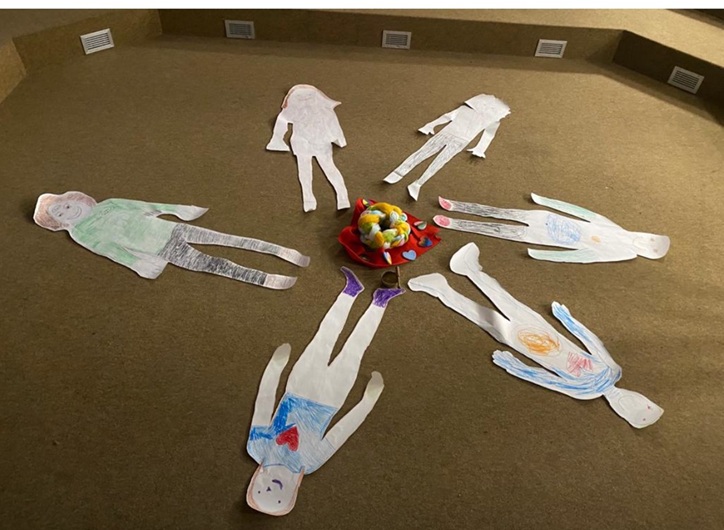
So when we are suddenly bombarded with feelings we don’t recognise, it’s nice when someone helps us make sense of them, when someone creates images, when someone asks a blunt question: Is there too much going on in your head right now, or rather nothing at all? Or: Where in your body do you feel this feeling? Is it more angular and small or round and large?“
Or when someone presents different types and asks: „Where do you see yourself most? And where do you see your family members?“ This creates order in the mind. We can open drawers and put things in them so that we don’t constantly have mental „to-do“ lists open in our brains.
As you know, a computer that has too many tabs open will eventually crash… That’s why so many people are attracted to personality models. To compare themselves. To locate themselves. To recognise themselves. To gain security through self-reflection.
That’s why we sometimes feel better after a diagnosis, because we’re no longer poking around in the dark, but finally know what’s going on. When it suddenly says: This could be ADHD, you read up on it and think: Wow, that’s me. Or: That’s my child. It relieves us. It puts things in order and provides explanations. Our psyche needs that.
What language of love do you speak?

Many couples counselling services also work with Gary Chapman’s 5 Love Languages. These include praise and appreciation; togetherness; gifts; helpfulness (or services) and physical touch (tenderness). Think about it: which of these 5 languages is the most dominant for you? What do you need most? And what other language do you need to feel truly comfortable and loved?
And because this is not a couples‘ blog, but a parenting blog: what about your children? Do they possibly speak a different language of love than you? And could it be that some of the conflicts between you are based on this? You always give great gifts because it’s so important to you – and then you’re disappointed that you hardly get any on your birthday?
Maybe it’s because your child’s dominant language of love is physical affection and they give you big hugs. You’ve probably already noticed how good it feels to come up with explanations for behaviour. And such patterns don’t just exist for love, but also for personality types, for example.
Self-reflection: What personality type are you?

Are you more of a perfectionist and helper or a challenger and observer? Is your child more of an individualist and achiever or more of a peacemaker and loyalist? And if, as with the Enneagram types, we assume that one personality type is the main type and that each person also has another type in a wing, which two types best suit you and which best suit your children?
It’s exciting to explore this, because it’s not even easy to figure out for yourself where you stand. But once I’ve figured it out, I may be able to deal with situations in the future better. Ah, I’m reacting this way now because I’m more of a type xy… ah, my child is reacting this way right now because they’re a completely different type.
This can take a lot of pressure off the teenage years. It’s fascinating how much our psyche needs to pigeonhole things. To put it positively, pigeonholing is actually only human… and in difficult situations with adolescents who are becoming strangers to us, it can help us not to be quite so helpless when we realise what is going on in their brains. What do you think?